










NTU Singapore Partners with Japanese Firm to Develop Fungal Fermentation Technology for High-value Upcycling of Okara
In recent years, Singapore’s mushroom industry has risen rapidly driven by agri-tech innovation and become a core track for local high-value characteristic agriculture, with a steadily expanding market size. The market for functional mushrooms reached USD 328 million in 2024 and is projected to grow to USD 470 million by 2032, representing a compound annual growth rate of 7.25%. Supported by policies and technological empowerment from the Singapore Food Agency, local mushroom farms are accelerating large-scale and intelligent upgrading. The industry keeps advancing sustainable development and exploring new cross-border integration models.
Recently, Nanyang Technological University (NTU) Singapore has achieved breakthrough scientific results in partnership with well-known Japanese food enterprise Ichimasa Kamaboko. Adopting oyster-mushroom mycelium solid-state fermentation technology, they realize resource-oriented upcycling of okara (soybean residue), demonstrating strong technological innovation and cross-border enabling capacity of Singapore’s mushroom industry. Relevant research findings have been published in the journal Food Chemistry: X.
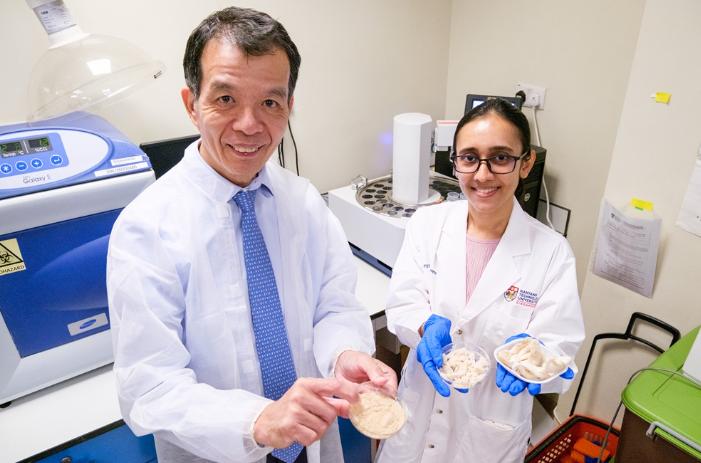
Supported by mature bio-fermentation technologies, the fast-growing Singapore mushroom industry keeps empowering the food-processing sector across boundaries. Targeting major pain points of okara from soybean-product manufacturing — easy spoilage, poor palatability, low utilization rate and severe waste — this joint research between NTU and Ichimasa Kamaboko innovatively applies the green solid-state fermentation process with oyster mushroom mycelium. It effectively decomposes crude fiber in okara and optimizes its nutritional profile and flavor.
Experimental data show that after fermentation, the protein content of okara rises to 27.7%-30.2%, and glucose content increases by 2.8 to 6.4 times. Its palatability and nutritional value are greatly improved. Moreover, the mycelium cultivation process features stable performance and good adaptability. This technology not only achieves high-value resource utilization of soybean-processing by-products, but also greatly broadens commercial application scenarios for mushroom biotechnology, opening up new tracks for value-chain extension of Singapore’s mushroom industry.
According to the NTU research team, this cross-border technological breakthrough builds on the mature biological cultivation and fermentation technical system of Singapore’s mushroom industry, and further consolidates the industry’s advantages for diversified development. At present, the achievement stays at the proof-of-concept stage. The team will further optimize the process and tackle core links including large-scale production, cost control and food-safety assessment.
With future technology roll-out and promotion, Singapore’s mushroom industry will further leverage its scientific-and-technological strengths, continuously empower the food industry to cut waste and boost efficiency, set a benchmark for cross-border integration of sustainable agriculture, and facilitate the upgrading of local and global green food industries.
(Source: ntu.edu.sg)
If you have more questions, write to us
Recommend News
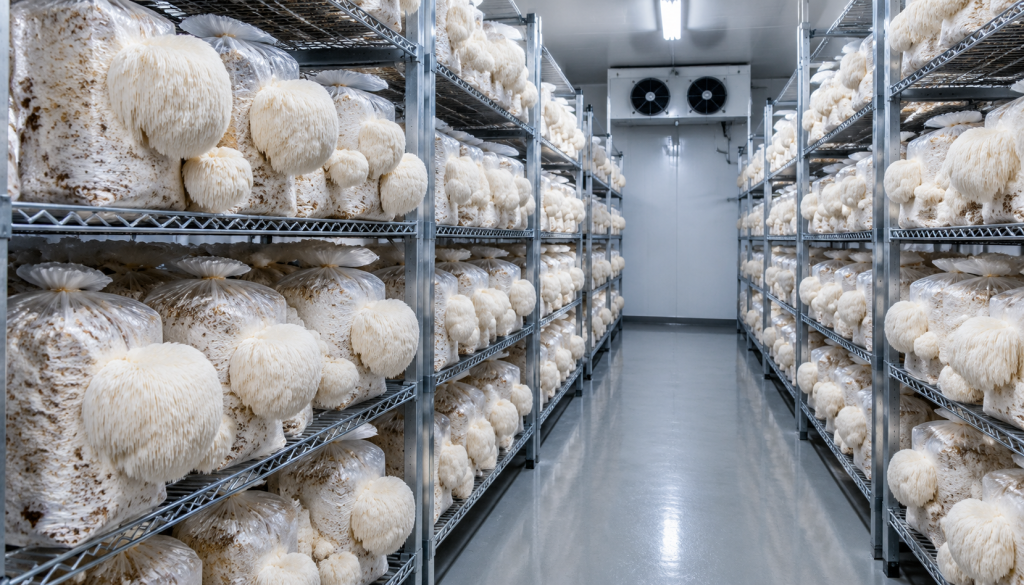
How to Grow Lion’s Mane Mushrooms: A Commercial Bag-Cultivation Guide
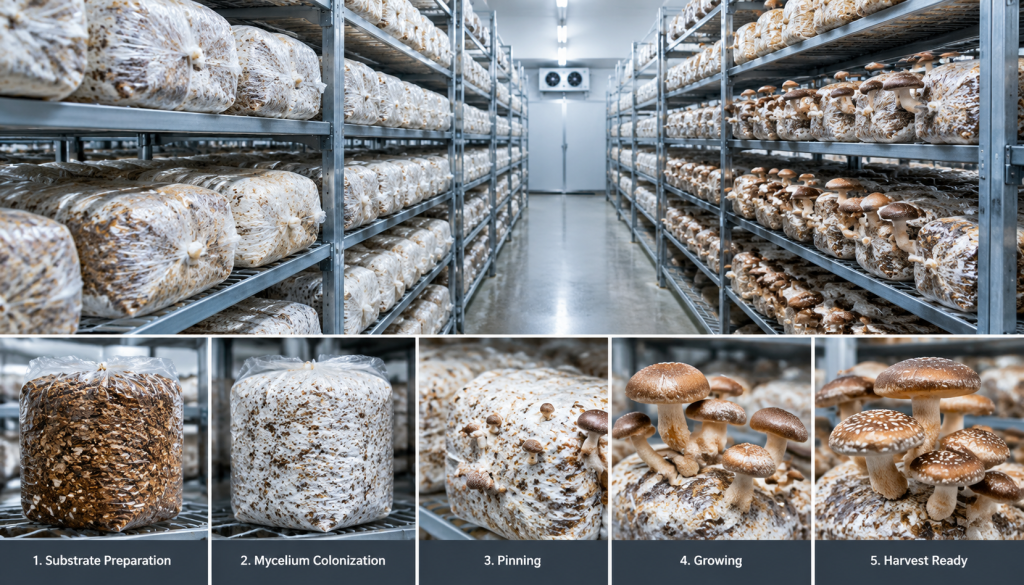
Shiitake Mushroom Growth Stages: Spawn Run, Browning, Fruiting, and Harvest
Best Substrate for Shiitake Mushrooms: Hardwood Sawdust, Supplements, and Bag Preparation
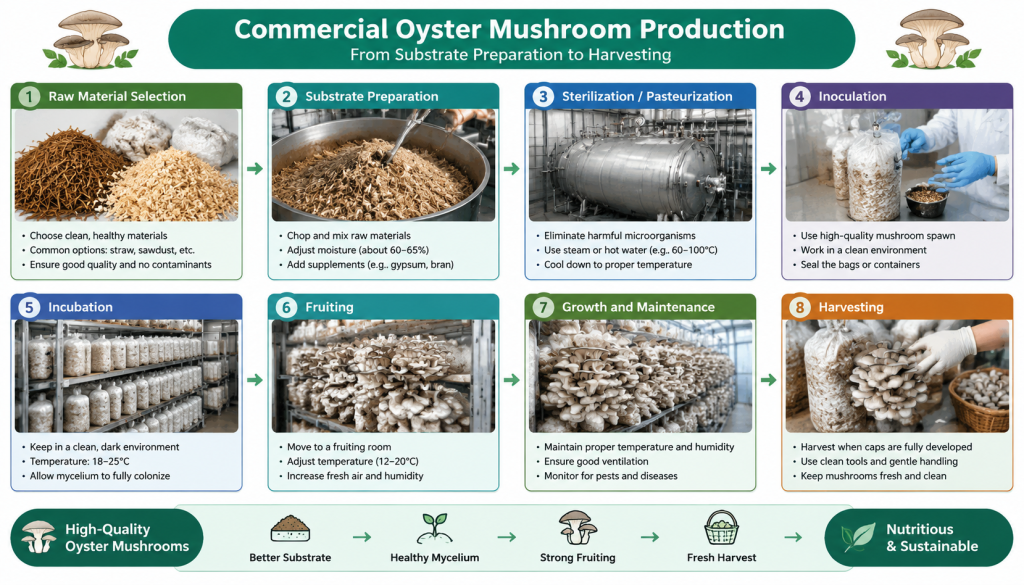
How to Grow Oyster Mushrooms Commercially: A Step-by-Step Production Guide
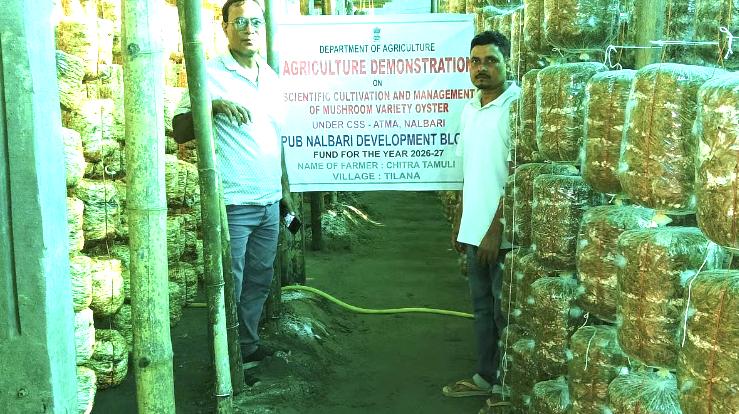
Agri-tech Empowers Specialty Farming: Indian Farmers Achieve Steady Income Growth Through the Edible-mushroom Industry
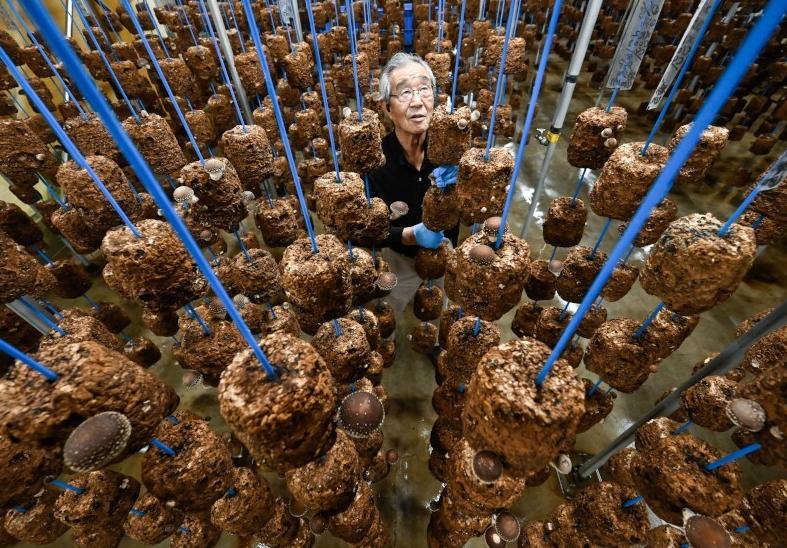
New Innovative Shiitake Cultivation Technology in Morioka, Japan Improves Quality and Production Efficiency
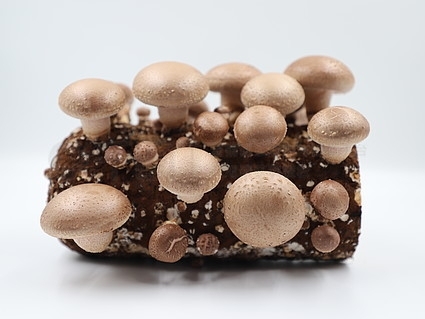
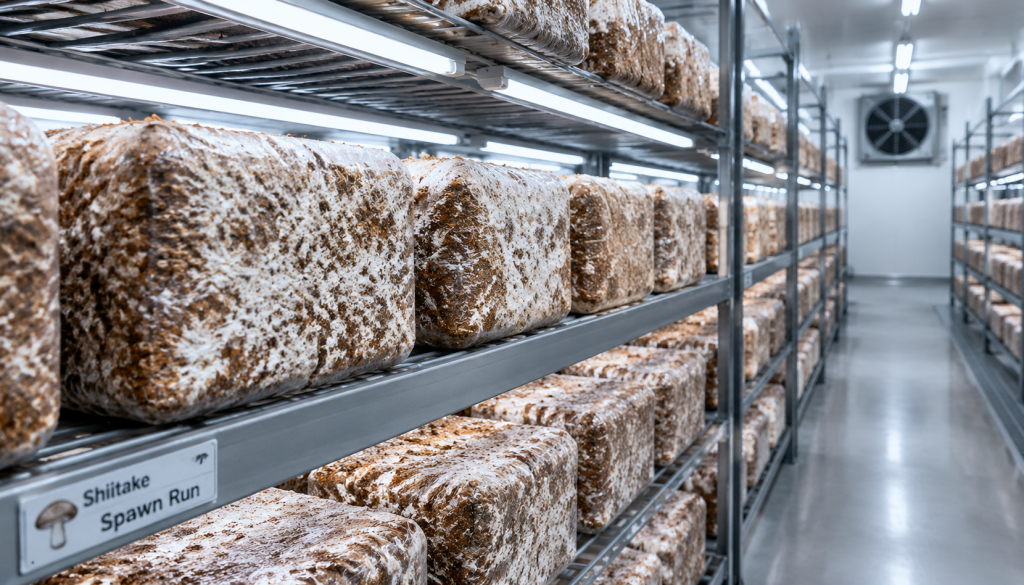
Shiitake Mushroom Spawn Run Guide
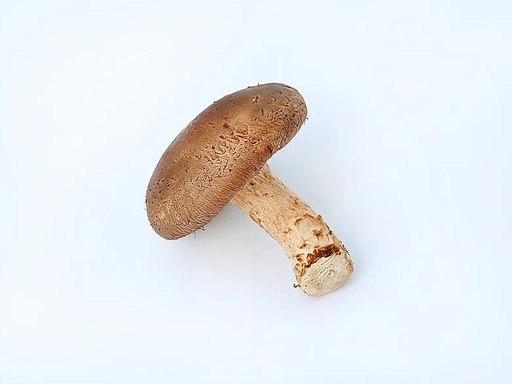
How to Preserve and Process Shiitake Mushrooms: A Practical Guide