










Mushroom Growing Solutions
King Oyster Mushroom Growing Solution
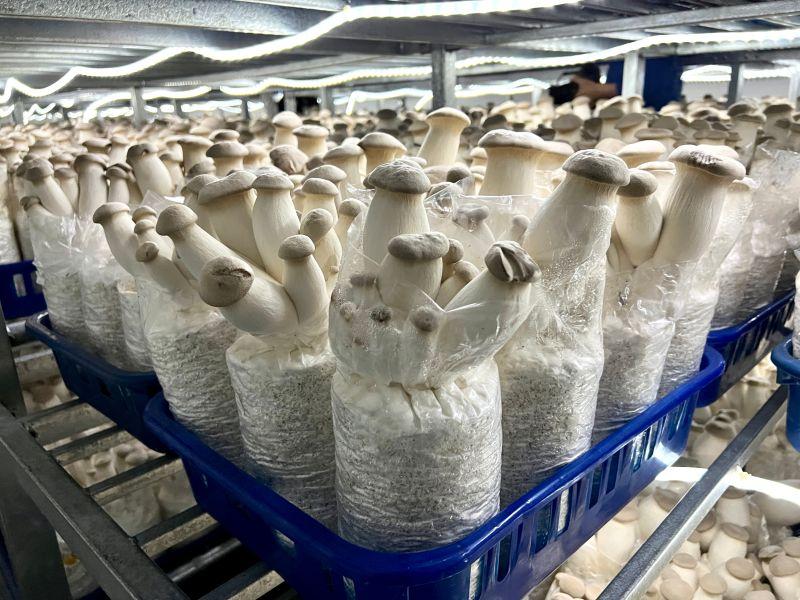
King Oyster Mushroom (Pleurotus eryngii) is a premium mushroom valued for its thick firm stipe and umami taste, used in high-end catering and processed foods. Based on the global mainstream bag cultivation technology, centered on medium-low temperature fruiting and morphology control.
Industrial Cultivation
Plan an Integrated King Oyster Mushroom Production Workflow
Substrate preparation, bag filling, sterilization, incubation, and fruiting need to be coordinated within a well-planned production layout.
Front-end production follows standard procedures for raw material preparation, mixing, bagging, sterilization, and inoculation. These stages connect with incubation, primordia induction, fruiting, harvesting, and processing.
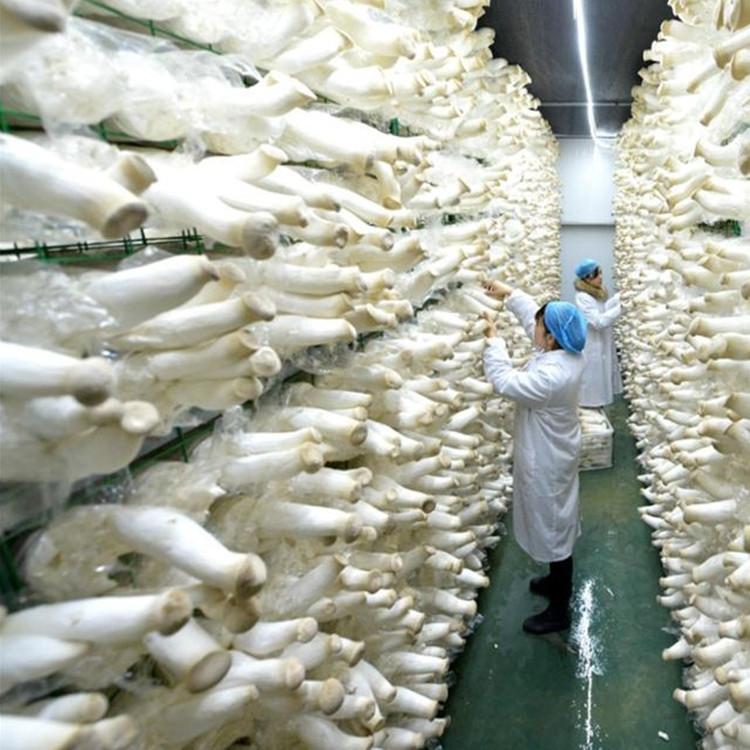
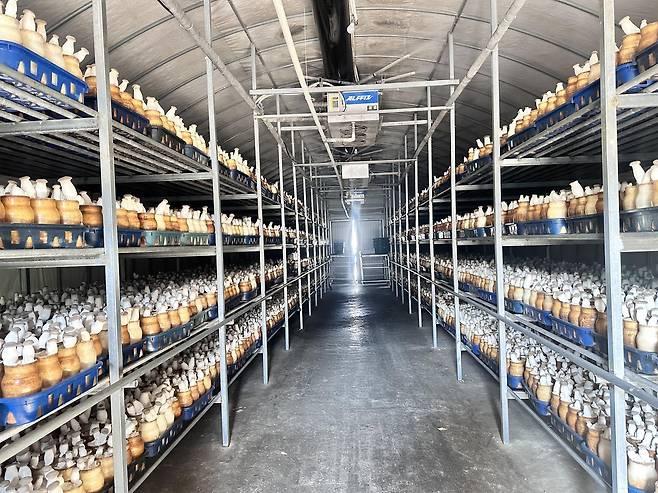
Growing-room planning should account for insulated incubation rooms, multi-tier racks, top-supply and bottom-return airflow, and full darkness. Fruiting rooms require high insulation, waterproof anti-slip flooring, uniform air distribution, and adjustable lighting. Container or greenhouse options are available for faster project entry.
Market & Benefits
Why Grow King Oyster Mushrooms?
King oyster mushrooms offer premium market positioning, substantial individual size, and a range of fresh and processed product opportunities.
Strong Global Market Growth
With the popularization of healthy diet concepts, the demand for king oyster mushrooms continues to grow due to its high protein and low fat characteristics. The markets in Europe, America and Southeast Asia grow significantly, with higher premium space than ordinary edible mushrooms.
Excellent Biological Conversion Rate:
Under mature industrial technology, the biological conversion rate can reach 80%~120%. The yield per bag / per bottle is stable, the production cycle is clear, and the return on investment is highly predictable.
Year-round Continuous Production
Through artificial environmental regulation, it can break through seasonal restrictions, produce mushrooms continuously throughout the year, with high utilization rate of plant buildings and equipment, and is not restricted by regional climate.
Mature Technical System
The global industrial cultivation technology of king oyster mushrooms has been highly standardized, with mature application of liquid spawn, intelligent environmental control and other technologies, which is easy to replicate and manage on a large scale.
High Product Added Value
In addition to fresh mushroom sales, it can extend to deep-processed categories such as slices, dried products, pickled products and ready-to-eat foods, greatly improving profit space.
Adaptable to Diversified Production Capacities
There are corresponding mature technologies and equipment solutions from small farms with an output of hundreds of kilograms per day to modern factories with an output of several tons per day, with high flexibility in starting.
Cultivation Parameters
King Oyster Mushroom Cultivation Requirements
Use the substrate, bag specifications, and growing conditions below as the cultivation reference for king oyster mushroom production.
|
Parameter |
Indicators |
Notes |
|
Substrate |
Broadleaf sawdust, cottonseed hull, corncob, bagasse; wheat bran, corn flour, soybean meal, lime, gypsum |
40% sawdust + 20% cottonseed hull + 15% corncob + 15% wheat bran + 5% corn flour + 3% soybean meal + 1% lime + 1% gypsum |
|
Container |
PP bags (17×38cm, 0.05mm) |
Bag cultivation is global standard; bottle optional |
|
Baseline |
Moisture 62–65%; pH 6.0–7.5 |
Firm clump, loosens without crumbling |
|
Temperature |
Incubation 24–26°C (typically 24°C); primordia 10–15°C; fruiting 12–18°C |
Temperature differential triggers primordia |
|
Humidity |
Incubation 60–70%; primordia 90–95%; fruiting 85–90% |
Lower humidity prevents soft rot |
|
CO₂ |
Incubation 3000–5000ppm; primordia 800–1500ppm; fruiting 1000–2000ppm |
High CO₂ deforms stipe and cap |
|
Light |
Incubation dark; primordia 200–500lux; fruiting 300–800lux |
Moderate light for normal cap shape |
Growing Method & Process
How to Grow King Oyster Mushroom in Bags
After standard front-end preparation, king oyster cultivation focuses on incubation, primordia induction, fruiting, harvesting, and processing.
Incubation
Allow mycelium to colonize the substrate under dark, controlled-temperature conditions.
30–35 days, dark, 24–26°C.
Scratching & primordia:
Prepare the bag surface and use a temperature differential to encourage primordia formation.
Open bags, scratch surface; apply 8–10°C temperature differential, high humidity, moderate light.
Fruiting
Manage temperature, CO₂, and light to support thick stems and firm caps.
12–18°C, control CO₂ and light for thick straight stipes and round firm caps.
Harvest
Harvest at the specified cap stage before spore release.
When caps flatten before spore release. Typically 1–2 flushes.
Processing
Prepare harvested mushrooms for fresh sales or further processing.
Trim, grade, pack fresh or slice/dry.
Growing Environment
Climite & Environmental Control for King Oyster Mushrooms
Temperature-difference primordia induction and morphology control are central to managing king oyster mushroom growth.
Core focus: temperature-difference primordia induction and morphology control. Warm dark incubation → cool shock → stable medium-low fruiting. PLC with ±0.5°C accuracy; positive-pressure filtered airflow.
Recommended Equipment
Equipment for King Oyster Mushroom Production
Choose equipment according to your substrate formula, bottle specifications, target output, labor plan, and facility layout.
|
Process |
Core Equipment |
|
Raw material prep |
Sawdust/corncob/straw crusher |
|
Mixing |
Horizontal mixer, self-propelled turner |
|
Bagging |
Automatic bagging machine, collar & cap applicator |
|
Sterilization |
Autoclave / atmospheric sterilizer, steam generator |
|
Inoculation |
FFU, clean bench, air shower, liquid spawn fermenter, automatic inoculator |
|
Environment |
Industrial AC, ultrasonic humidifier, ventilation fan, water curtain cooler, PLC |
|
Post-harvest |
Stem cutter, weight sorter, slicer, hot air dryer |
|
Consumables |
PP bags, collars & caps, inoculation rods, baskets, racks |
Factory Production
Growing Room Design for King Oyster Mushrooms
A linear zoned layout and well-planned incubation and fruiting rooms support an organized production flow.
Linear Zoned Flow
Arrange production areas in sequence to support movement through each cultivation stage.
Incubation and Fruiting Rooms
Insulation, rack layout, airflow, flooring, and adjustable lighting are key room-planning considerations.
Incubation rooms: insulated panels, multi-tier racks, top-supply bottom-return, full dark. Fruiting rooms: high insulation, waterproof anti-slip flooring, uniform air distribution, adjustable lighting. Container/greenhouse options for fast entry.
Cultivation Parameters
King Oyster Mushroom Production Capacity Options
Small Scale
Below 1 ton
Semi-automated line; small farms / start-ups
Medium Scale
1 – 5 tons
Automated line, autoclave, liquid spawn; regional processors
Large Scale
5 – 20 tons
Fully automated bag/bottle lines; national/export supply
Extra-large Scale
Above 20 tons
Multiple lines, central utility plant; large export enterprises
Troubleshooting
Common King Oyster Mushroom Growing Problems & Solutions
Deformed bodies (long thin stipe, small cap):
high CO₂ / low light / high temp → keep CO₂ below 2000ppm, add 300–800lux, stabilize 12–18°C.
Few primordia:
immature mycelium / weak temperature shock / low moisture → extend post-ripening, apply ~10°C day-night shock.
Soft rot / yellowing:
excess humidity / condensation → reduce RH to ~85%, ventilate, no direct spray.
Related King Oyster Mushroom Equipment
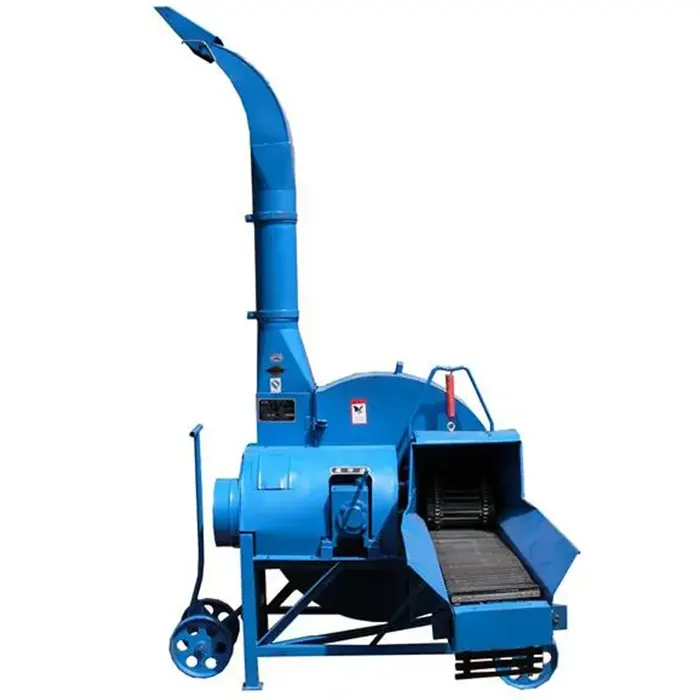
CRXH400A Straw Crusher
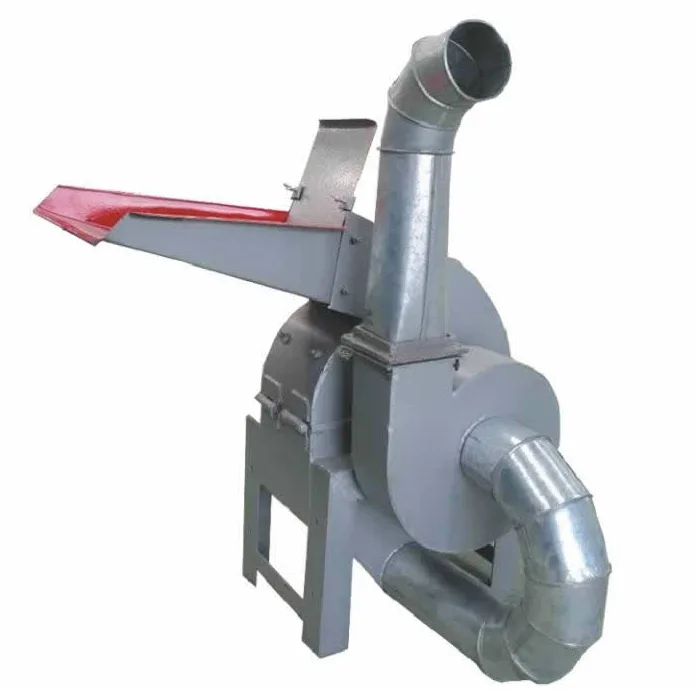
CRXH600A Corn Cob Crusher
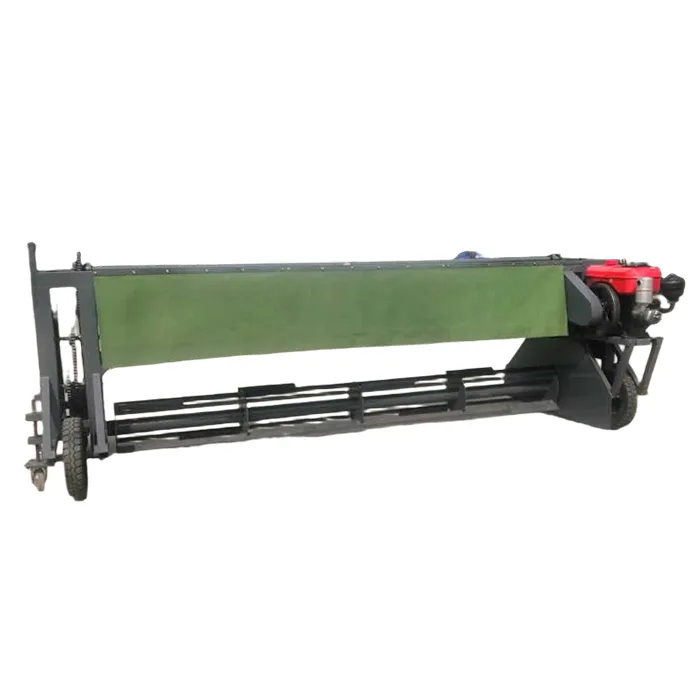
TUXH2MA Gantry Compost Turner
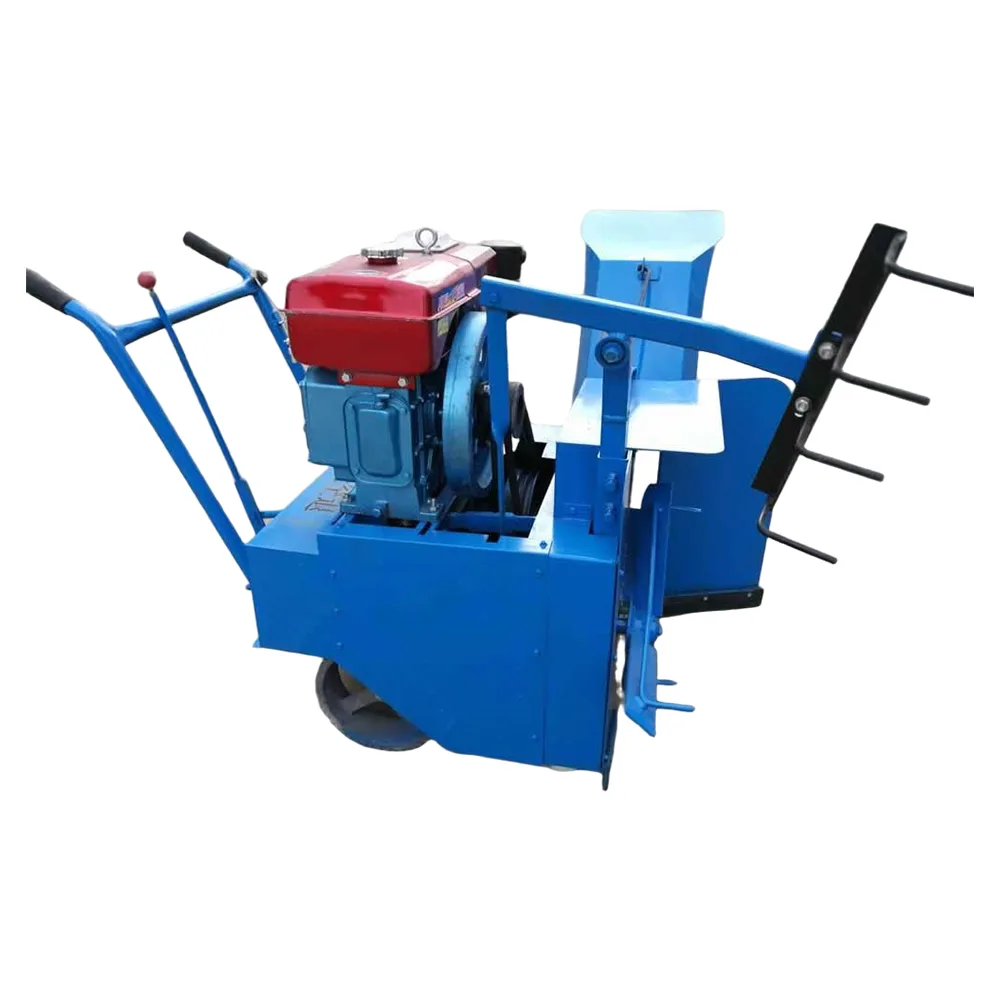
TUXH8000A Gantry Compost Turner for Mushroom Cultivation
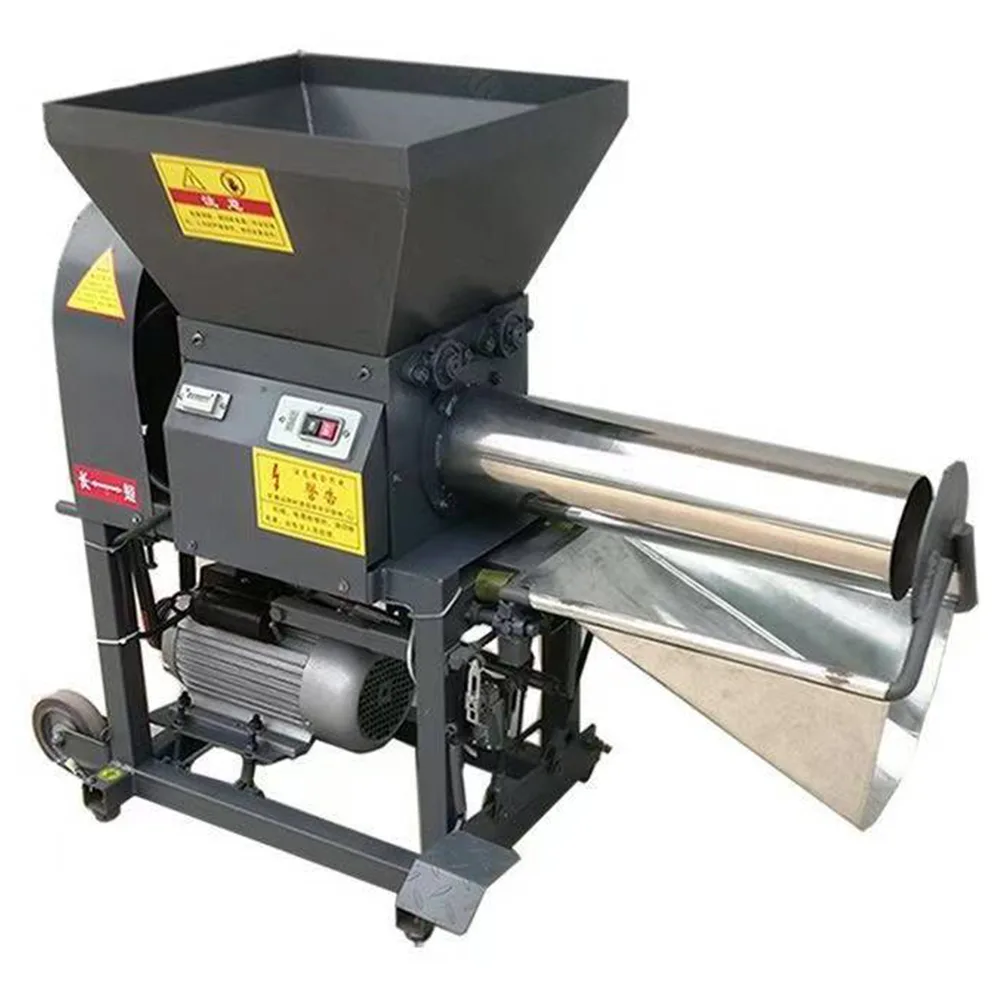
BMXH800A Pedal Bag Filling Machine
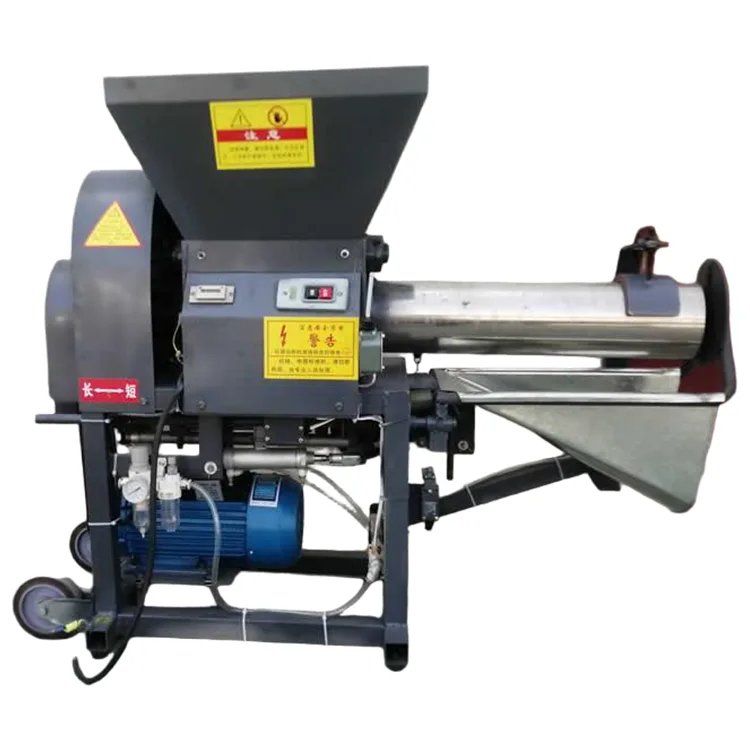
BMXH800B Pneumatic Bagging Machine
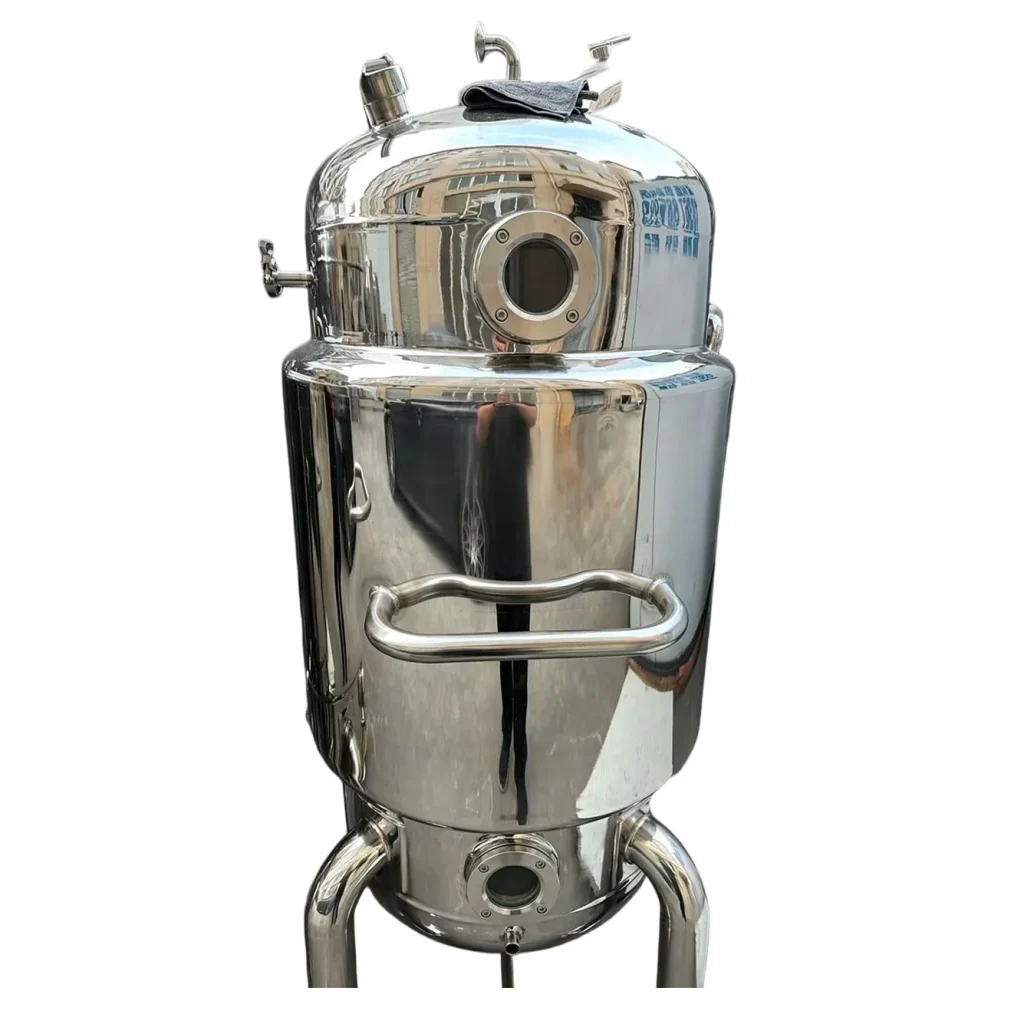
FTXH200B Mushroom Fermentation Tank
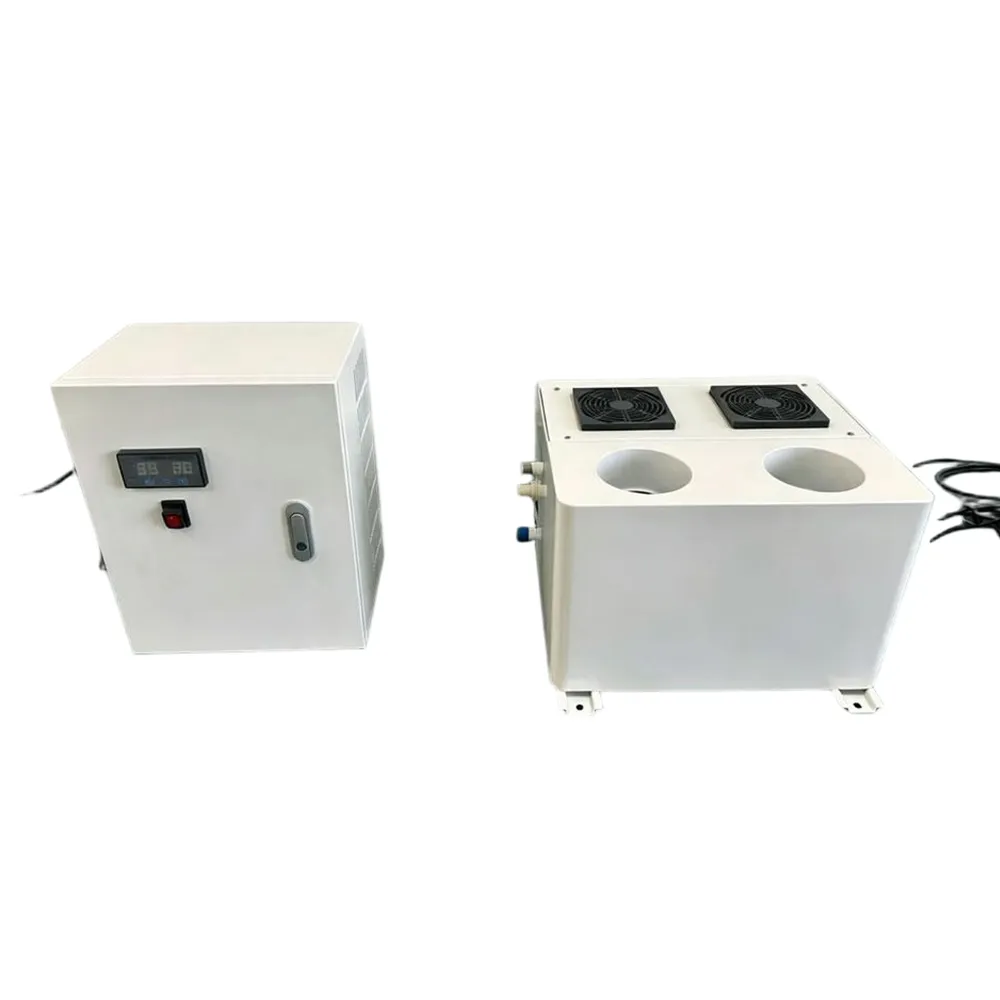
UHXH3B Split-Type Ultrasonic Humidifier
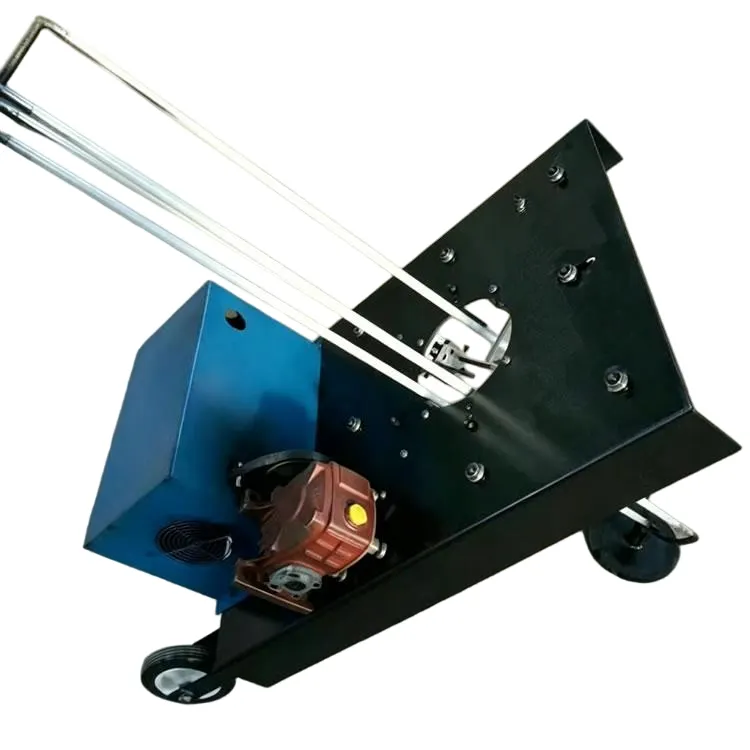
HPMXH1200A Mushroom Stick Hole Punching Machine
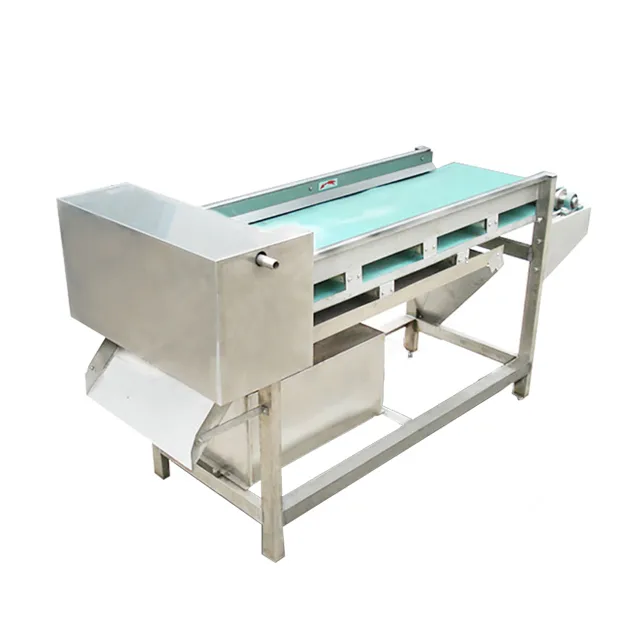
MCMXH500A Mushroom Slicer
Discuss Your Project
Looking for a King Oyster Mushroom Growing Solution?
Share your production scale and facility requirements to discuss equipment options for your king oyster mushroom project.