











Mushroom Growing Solutions
Lion's Mane Mushroom Growing Solution
A commercial lion’s mane mushroom cultivation solution based on standard bag growing, precise fruiting morphology, and cleanliness control.
Lion’s Mane (Hericium erinaceus) is a high-value functional edible and medicinal mushroom prized for neuroactive polysaccharides. Based on international standard bag cultivation, with precise fruiting morphology and cleanliness control as core advantages; serves both fresh and nutraceutical markets.
Industrial Cultivation
Plan a Controlled Lion's Mane Cultivation Workflow
Bag preparation, room zoning, and environmental management need to work together across each stage of commercial production.
The production sequence covers substrate preparation, mixing, bagging, sterilization, inoculation, incubation, and fruiting. Each stage should be supported by suitable equipment and a workflow that maintains the intended cleanliness gradient.
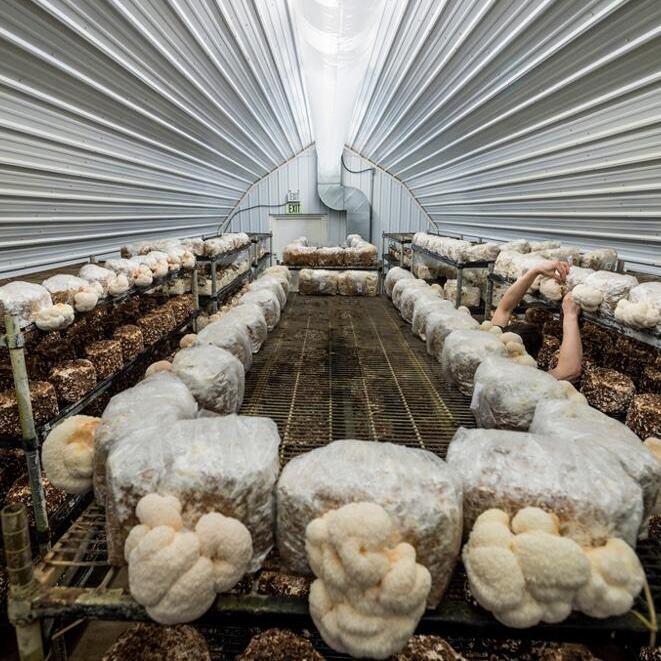
Facility planning should also account for insulated incubation rooms, multi-tier racks, and fruiting rooms with moisture-retaining insulation, waterproof anti-corrosion flooring, uniform air distribution, and adjustable lighting.
Market & Benefits
Why Grow Lion's Mane Mushrooms?
Lion’s mane mushroom farming can serve fresh-food and nutraceutical markets, with further processing options including slices, powder, and extracts.
Explosive Demand in Global Health Market
Lion’s mane mushrooms are rich in active polysaccharides and terpenoids, and are widely used in functional food and dietary supplement fields. The markets in Europe, America, Japan and South Korea grow significantly, with product premiums much higher than ordinary edible mushrooms.
High Economic Value and Return Rate
The market price remains stable at a high level. Under mature technology, the biological conversion rate can reach 70%~100%, with stable yield per unit, clear input-output model and sufficient profit space.
Year-round Controllable Production
Through artificial environmental regulation, it can completely break through seasonal and regional restrictions, produce mushrooms continuously throughout the year, with high utilization rate of plant buildings and equipment, and production plans can be arranged accurately.
Mature and Controllable Technical System
The global industrial cultivation technology of lion’s mane mushrooms has formed a standardized system, with mature application of liquid spawn, intelligent environmental control and other technologies, which is easy to replicate and manage on a large scale.
Broad Space for Deep Processing Extension
In addition to fresh mushroom sales, it can extend to tracks such as dried products, slices, polysaccharide extraction and health product processing, greatly improving product added value and risk resistance.
Flexible and Diversified Production Capacity Adaptation
There are corresponding mature technologies and equipment solutions from small characteristic farms with an output of dozens of kilograms per day to large-scale factories with an output of several tons per day, with a flexible starting threshold.
Cultivation Parameters
Lion's Mane Mushroom Growing Conditions and Substrate Requirements
Use the substrate mix, grow bag specifications, and environmental parameters below as a reference for commercial lion’s mane mushroom cultivation.
|
Parameter |
Indicators |
Notes |
|
Substrate |
Broadleaf sawdust (beech/oak), cottonseed hull, corncob; wheat bran, corn flour, soybean meal, gypsum, lime |
45% sawdust + 20% cottonseed hull + 15% corncob + 15% wheat bran + 3% corn flour + 1% soybean meal + 0.5% gypsum + 0.5% lime |
|
Container |
PP bags (17×36cm, 0.05mm) |
Bag cultivation is global standard; bottle optional |
|
Baseline |
Moisture 60–63%; pH 5.5–6.5 |
Prefers slightly acidic environment |
|
Temperature |
Incubation 24–26°C (typically 24°C); primordia 16–20°C; fruiting 18–22°C |
Temperature-sensitive; heat causes deformity and disease |
|
Humidity |
Incubation 60–70%; primordia 90–95%; fruiting 85–90% |
Moderate humidity prevents rot |
|
CO₂ |
Incubation 3000–5000ppm; primordia 800–1200ppm; fruiting 1000–1500ppm |
High CO₂ causes short spines and malformed balls |
|
Light |
Incubation dark; primordia 200–400lux; fruiting 300–600lux |
Moderate light supports spine development; strong light inhibits growth |
Growing Method & Process
How to Grow Lion's Mane Mushrooms in Bags
The lion’s mane mushroom growth stages follow standard front-end preparation, followed by incubation, primordia induction, fruiting, harvesting, and processing.
Front-end follows standard protocols. Lion’s mane-specific stages:
Incubation
25–30 days, dark, 24–26°C.
Primordia induction
Open bags; mild temperature drop, high humidity, weak scattered light.
Fruiting
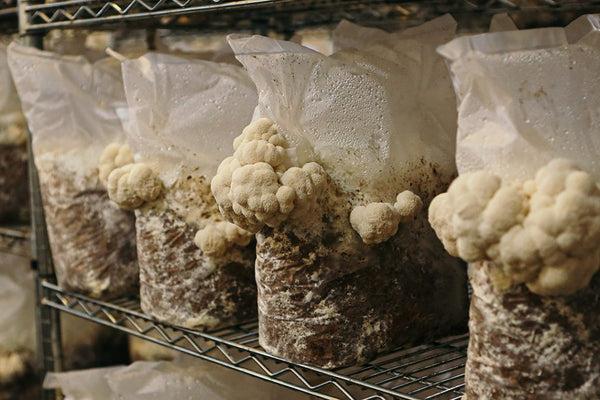
18–22°C, strict CO₂ control and even airflow for round compact well-spined bodies.
Harvest
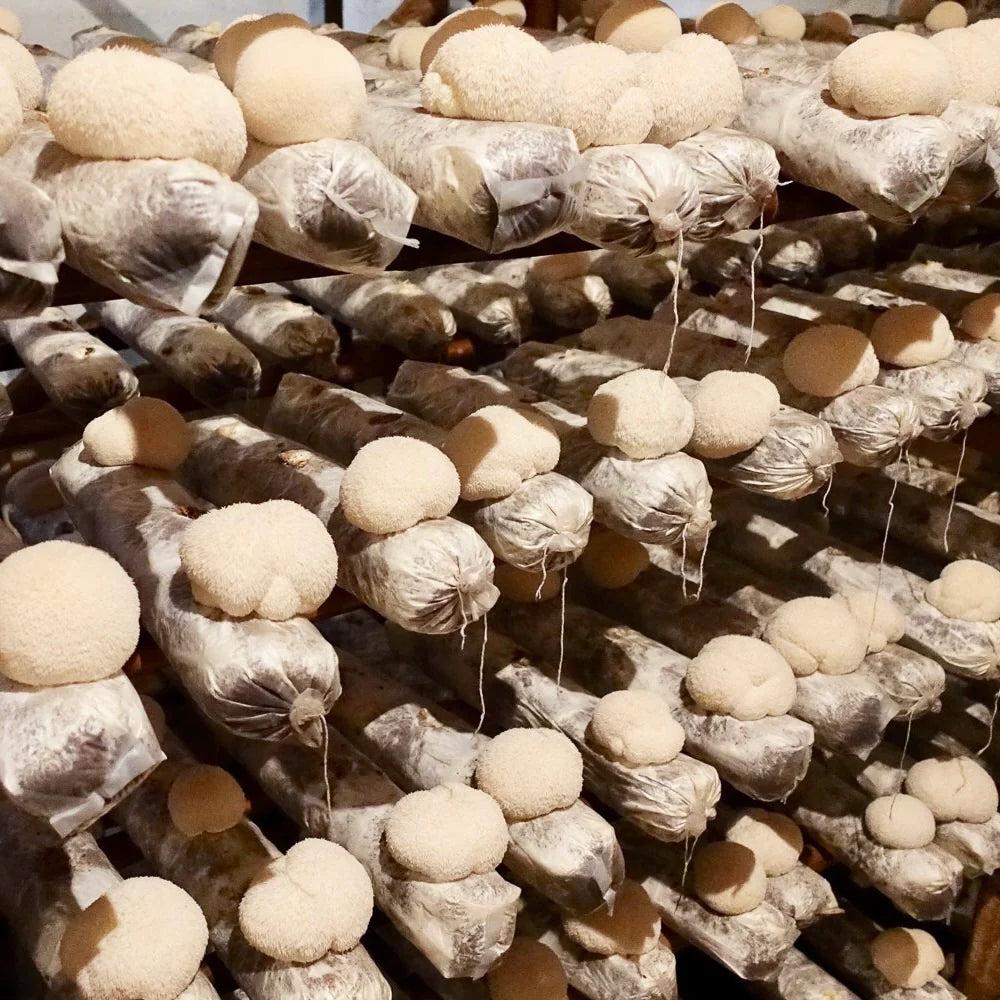
When plump, spines well-formed, before spore release. Typically 2 flushes.
Processing
Trim, grade, pack fresh or dried slices / extract-grade material.
Climate & Environmental Control
Lion's Mane Fruiting Conditions and Climate Control
Stable temperature, relative humidity, filtered airflow, and CO₂ management help control fruiting morphology and contamination risk.
Core priority: morphology control (spine length, round shape) and contamination prevention. Warm dark incubation → cool moist priming → stable mild-temperature fruiting.
Positive-pressure HEPA-filtered airflow; ±0.5°C, ±3% RH accuracy.
Recommended Equipment
Equipment for Lion's Mane Mushroom Cultivation
Recommended equipment covers substrate preparation, bagging, sterilization, inoculation, environmental control, and post-harvest handling.
|
Process |
Core Equipment |
|
Raw material prep |
Sawdust/corncob crusher |
|
Mixing |
Horizontal mixer, self-propelled turner |
|
Bagging |
Automatic bagging machine, collar & cap applicator |
|
Sterilization |
Autoclave, steam generator |
|
Inoculation |
FFU, clean bench, air shower, liquid spawn fermenter, automatic inoculator |
|
Environment |
Industrial AC, ultrasonic humidifier, ventilation fan, water curtain cooler, PLC |
|
Post-harvest |
Stem cutter, weight sorter, slicer, hot air dryer |
|
Consumables |
PP bags, collars & caps, baskets, racks |
Growing Room Design
Lion's Mane Mushroom Farm Layout and Growing Room Design
A zoned workflow and carefully planned incubation and fruiting rooms support cleanliness management and cultivation operations.
Zoned Flow and Cleanliness Gradient
Arrange production zones in sequence while maintaining a cleanliness gradient.
Zoned flow with cleanliness gradient.
Incubation and Fruiting Rooms
Room insulation, rack arrangement, flooring, airflow, and lighting should support the requirements of each growing stage.
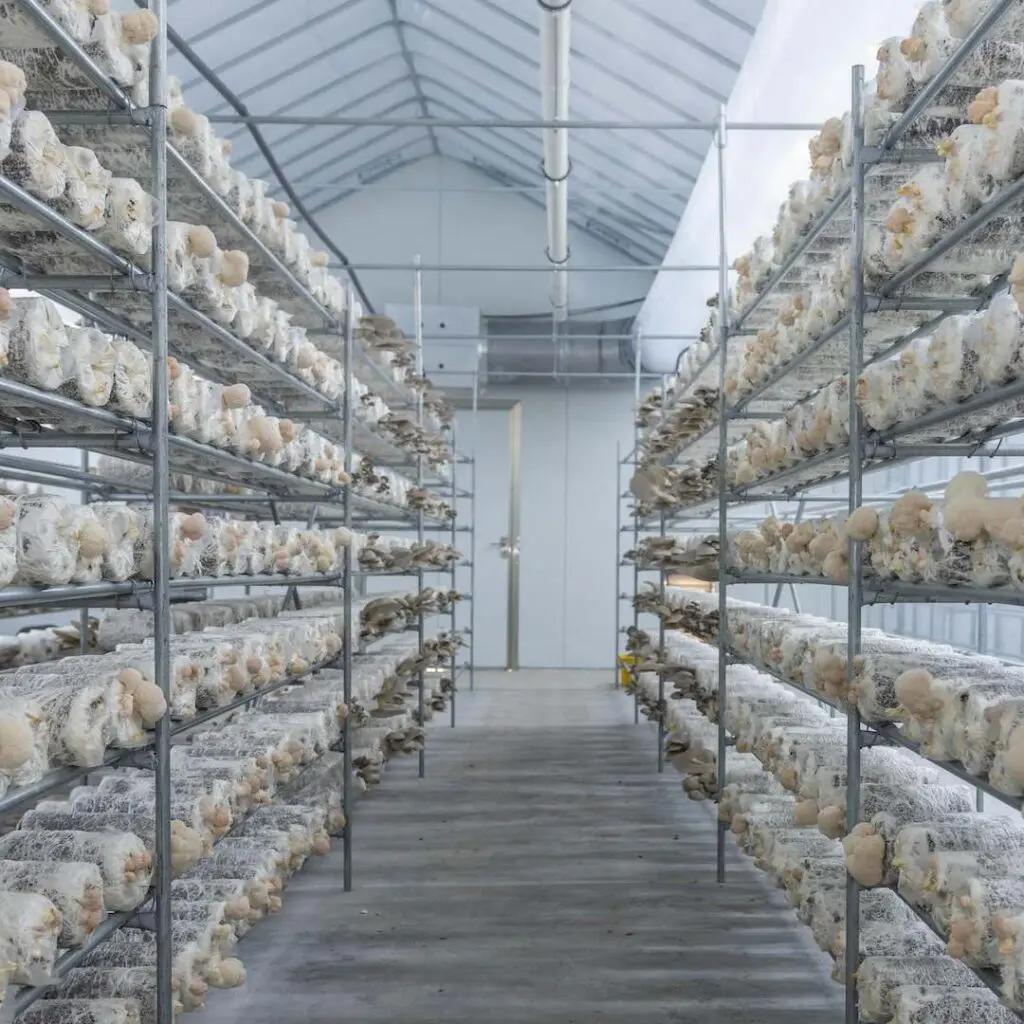
Incubation rooms: insulated panels, multi-tier racks, full dark. Fruiting rooms: high moisture-retention insulation, waterproof anti-corrosion flooring, uniform air distribution, dimmable lighting. Containerized modules for pilot projects.
Cultivation Parameters
Lion's Mane Mushroom Farming: Production Capacity Options
Small Scale
Below 1 ton
Semi-automated line; specialty farms / niche markets
Medium Scale
1 – 5 tons
Automated line, autoclave, liquid spawn; functional food suppliers
Large Scale
5 – 20 tons
Fully automated production; national/export health markets
Extra-large Scale
Above 20 tons
Multi-zone integrated plant; large nutraceutical supply chains
Troubleshooting
Lion's Mane Mushroom Growing Problems and Solutions
Malformed bodies (no/short spines, irregular shape):
high CO₂ / low light / direct airflow / high temp → keep CO₂ below 1500ppm, add 300–600lux, optimize airflow, stabilize 18–22°C.
Yellowing, sticky rot:
excess humidity / condensation / direct spray → reduce RH to ~85%, timed ventilation, air humidification only.
Sparse primordia:
immature mycelium / weak temperature shock / low moisture → extend post-ripening, apply 5–8°C day-night shock.
Related Lion's Mane Mushroom Growing Equipment
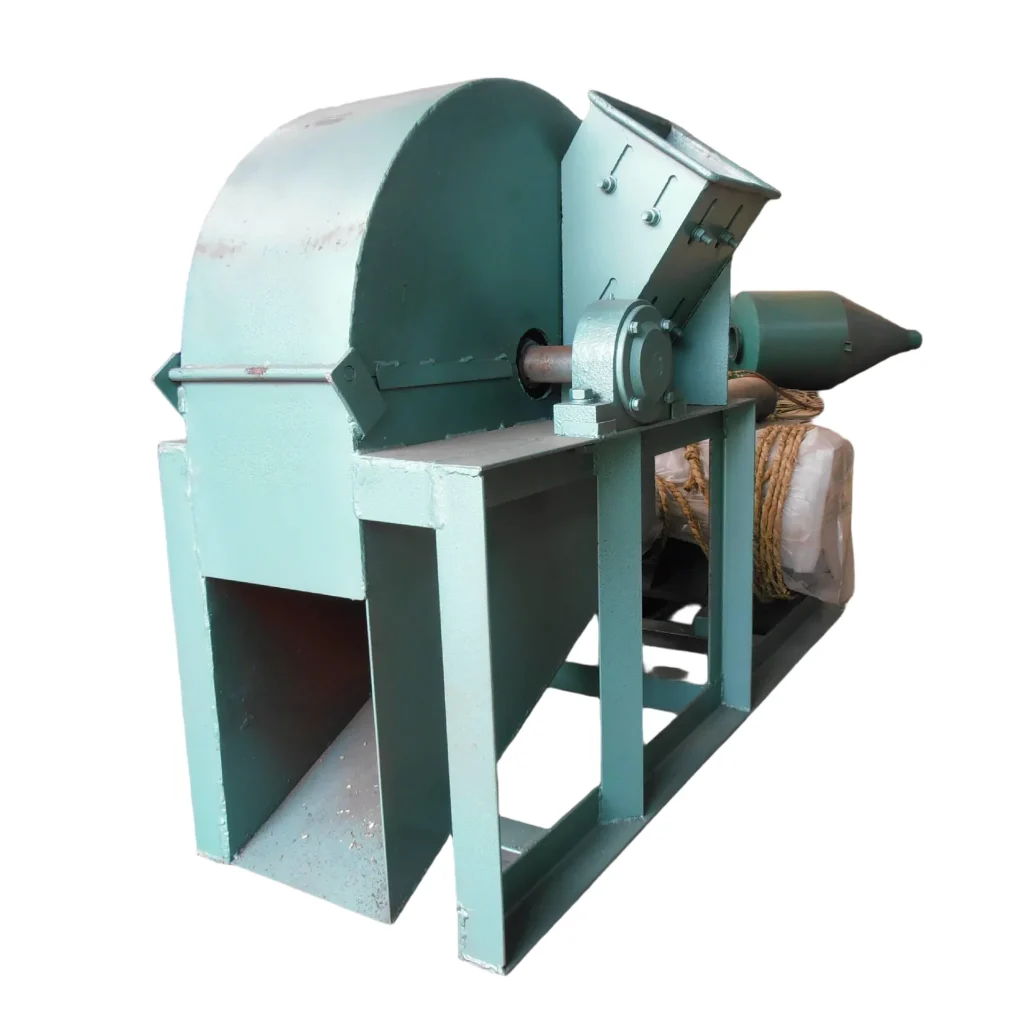
CRXH700A Wood Sawdust Crusher
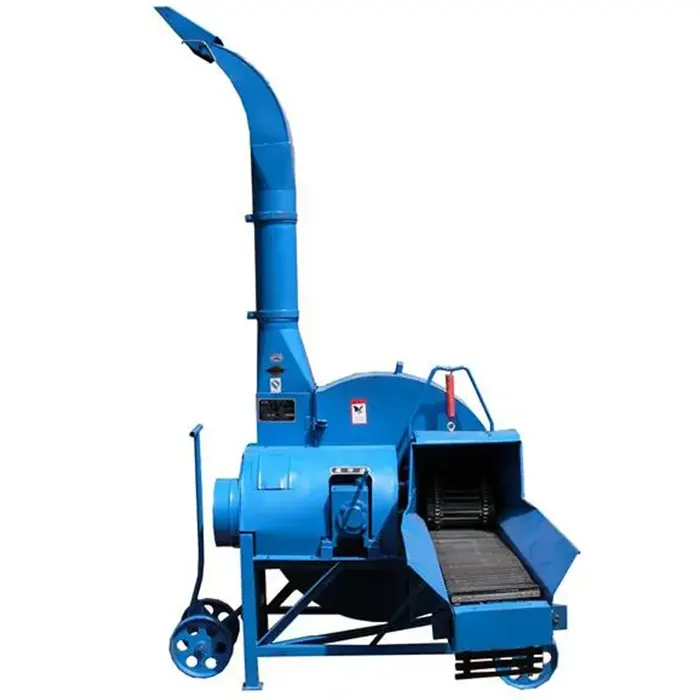
CRXH400A Straw Crusher
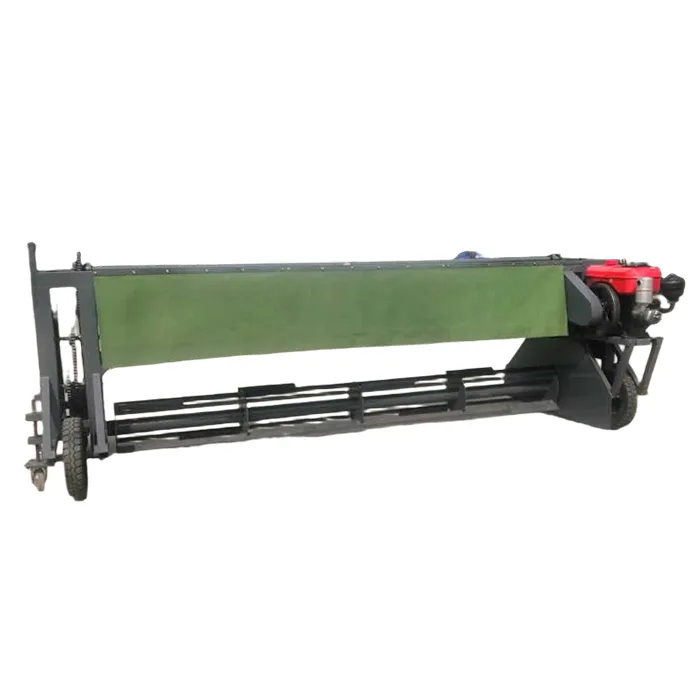
TUXH2MA Gantry Compost Turner
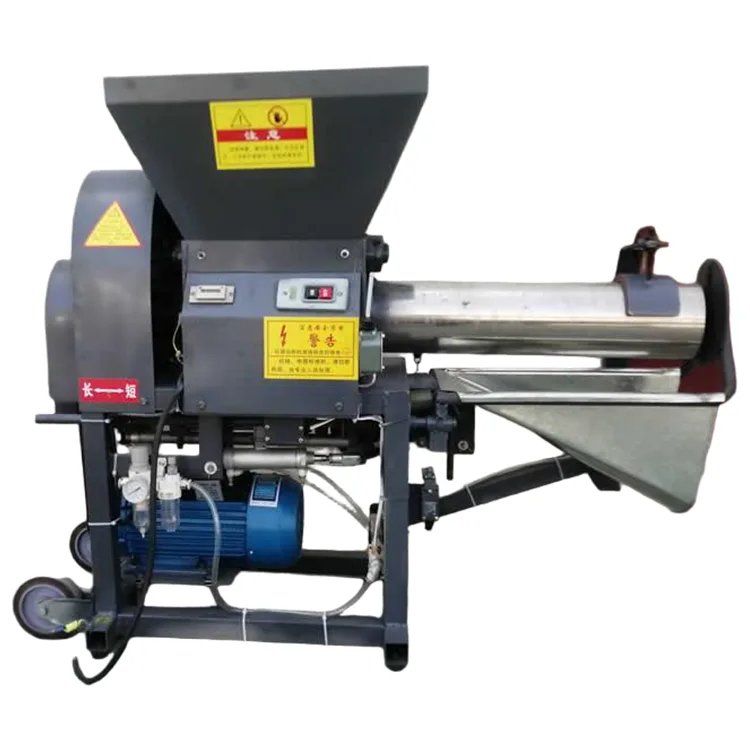
BMXH800B Pneumatic Bagging Machine
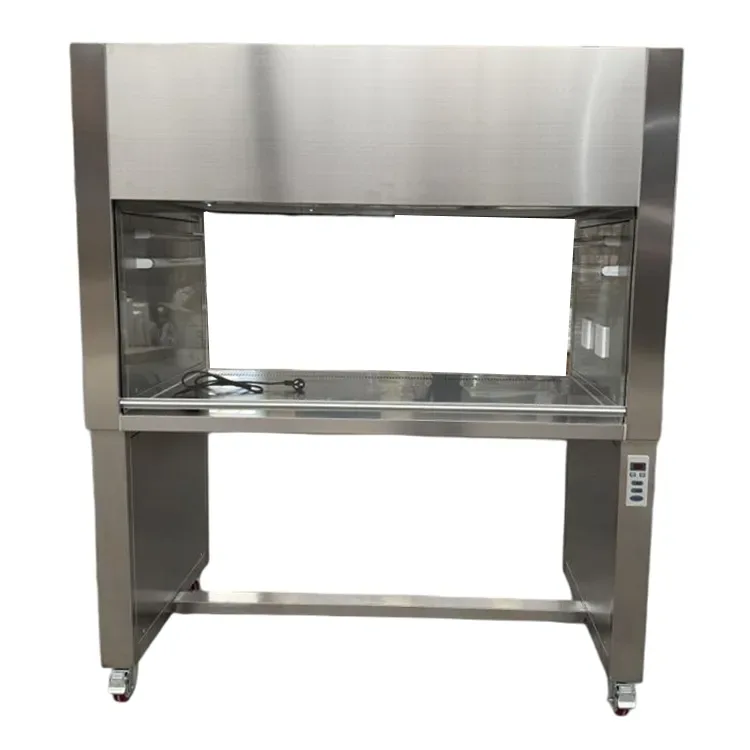
CBXH320A Laminar Flow Clean Bench
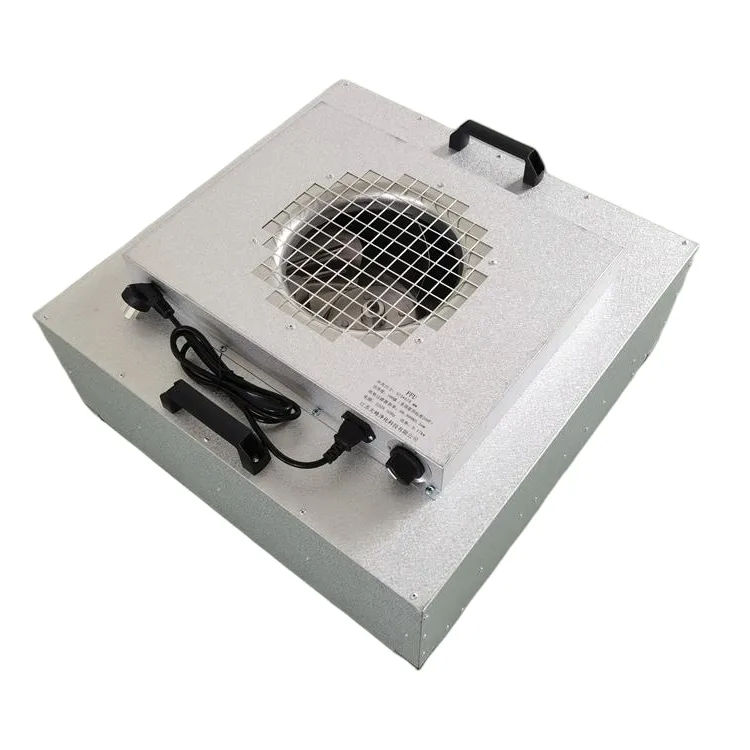
FFUXH800A FFU Fan Filter Unit
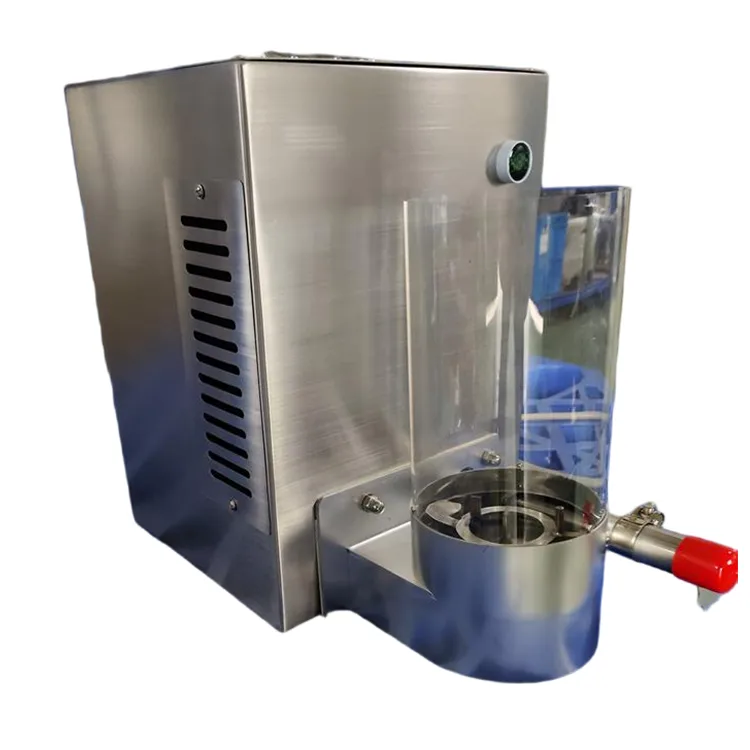
IMXH800A Inoculation Machine
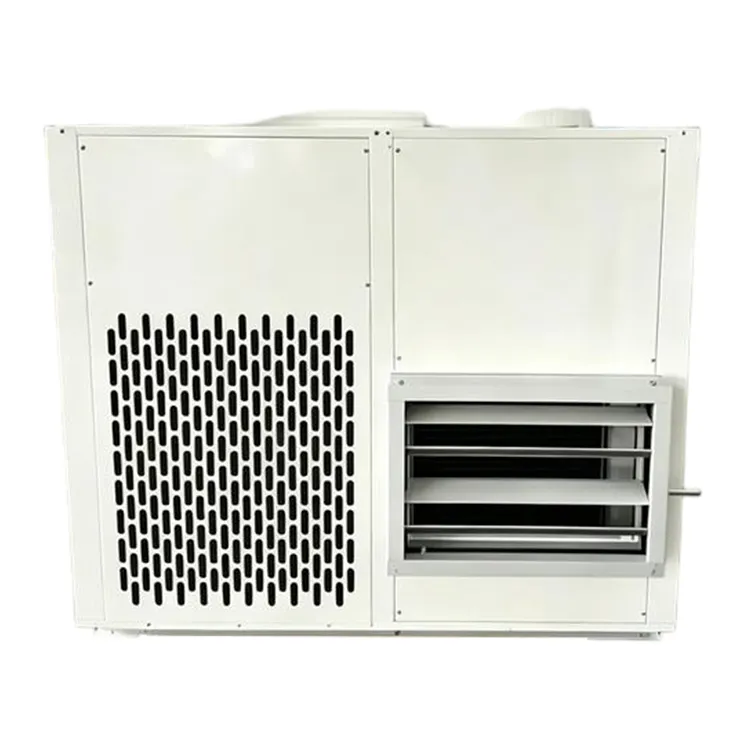
ACXH5300A Mushroom Farm Air Conditioner
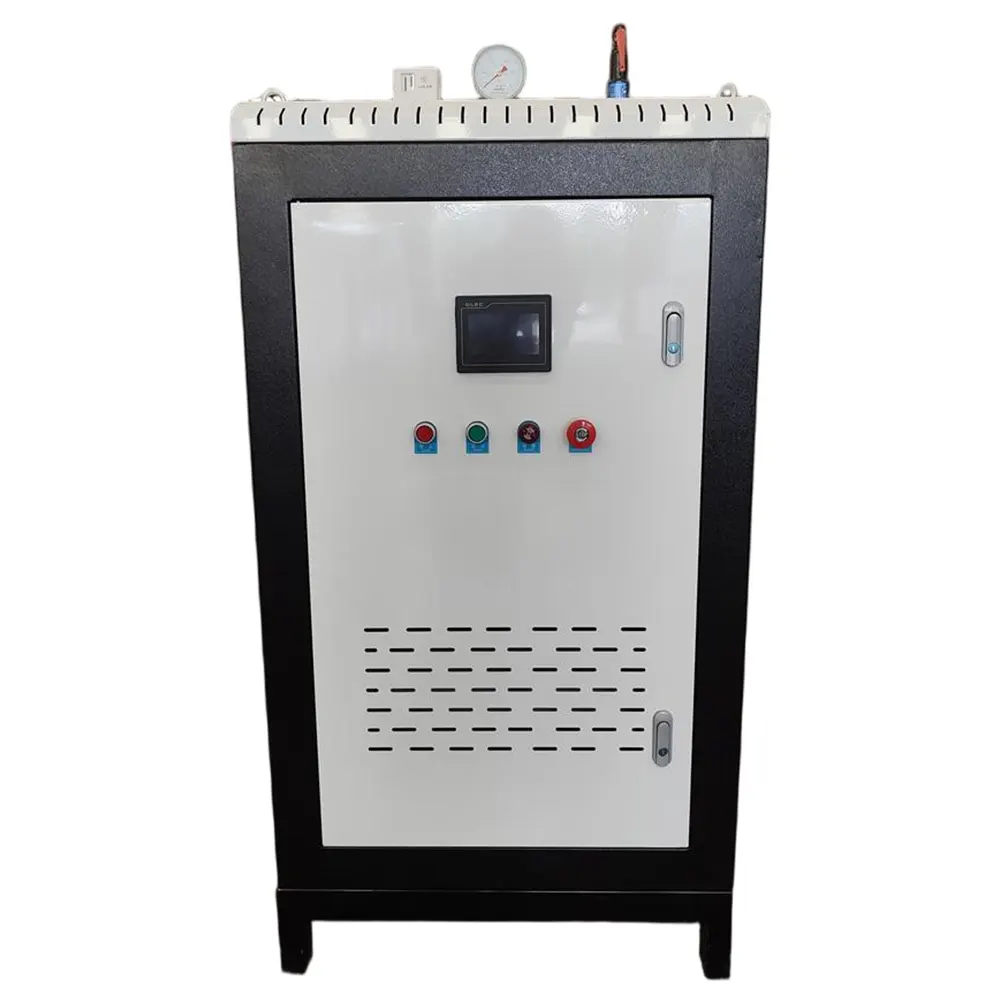
SGXH83A Electric Steam Generator
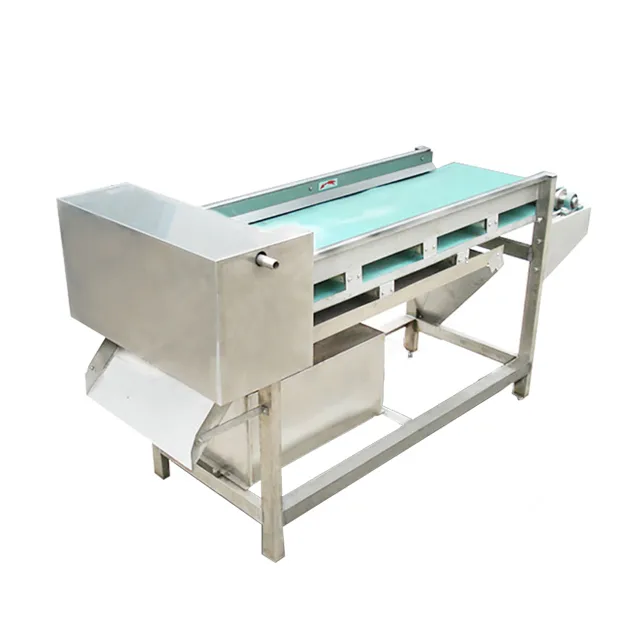
MCMXH500A Mushroom Slicer
Discuss Your Project
Planning a Lion's Mane Mushroom Growing Project?
Share your target output, facility layout, and production requirements to discuss equipment and a suitable lion’s mane mushroom cultivation configuration.