










Mushroom Growing Solutions
Oyster Mushroom Growing Solution for Commercial Production
From small farms to large-scale production facilities, equipment configurations can be tailored to target output, available space, labor requirements, and automation needs.
Oyster mushroom (Pleurotus ostreatus) is one of the most widely cultivated edible mushrooms, valued for its adaptable substrate requirements, short growing cycle, and high production potential. Our oyster mushroom growing solutions integrate substrate preparation, bag filling, sterilization, inoculation, environmental control, and post-harvest processing.
Industrial Cultivation
Plan an Efficient Oyster Mushroom Production System
Coordinated equipment, organized production zones, and controlled growing conditions help support consistent commercial cultivation.
Commercial oyster mushroom farming involves several connected stages, from raw material preparation and substrate mixing to bag filling, sterilization, inoculation, incubation, and fruiting.
An integrated production layout helps coordinate material movement, equipment capacity, and room utilization. The system can be planned around the cultivation method, target daily output, and available facility space.
Market & Benefits
Why Grow Oyster Mushrooms?
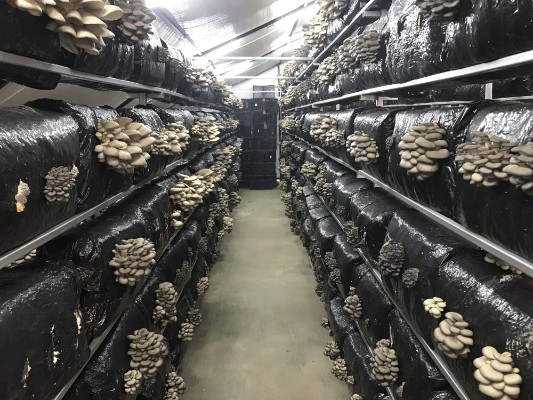
Flexible raw materials, multiple harvests, and adaptable production systems make oyster mushrooms suitable for a wide range of commercial operations.
Strong Demand for Edible Oyster Mushrooms
Oyster mushrooms serve fresh markets and food processing applications. Their versatility supports different sales channels, including fresh produce, dried products, canned foods, and other value-added products.
Flexible Substrate Options
Oyster mushrooms can be cultivated using various agricultural materials, including cottonseed hulls, corncobs, sawdust, and straw. This flexibility allows growers to evaluate locally available raw materials and production costs.
High Production Potential
With suitable substrate preparation, cultivation conditions, and production management, oyster mushroom farms can plan multiple growing cycles throughout the year. Actual output and biological efficiency depend on the substrate formula, strain, and operating conditions.
Scalable Commercial Production
From semi-automated equipment to integrated production lines, oyster mushroom cultivation systems can be configured to match farm size, labor availability, and automation requirements.
Multiple Processing Opportunities
Fresh oyster mushrooms can be supplied to produce markets, while suitable processing lines can support drying, salting, canning, and other value-added applications.
Growing Conditions & Substrate
Oyster Mushroom Growing Conditions and Substrate Requirements
Substrate composition, moisture, temperature, humidity, CO₂, and lighting all influence oyster mushroom development.
Best Substrate for Growing Oyster Mushrooms
Oyster mushroom substrate can include cottonseed hulls, corncobs, broadleaf sawdust, straw, wheat bran, and other suitable ingredients. The appropriate formulation depends on raw material availability and the intended production process.
Reference substrate formula:
40% cottonseed hull + 25% corncob + 15% sawdust + 15% wheat bran + 3% corn flour + 1% lime + 1% gypsum.
The formula above follows the supplied reference specification. Actual formulations should be evaluated against raw material characteristics and cultivation requirements.
Oyster Mushroom Grow Bags and Substrate Preparation
The reference cultivation setup uses PP bags measuring 17 × 38 cm with a thickness of 0.05 mm. Bottle cultivation may also be considered where appropriate.
Consistent substrate mixing, moisture adjustment, and bag filling help establish the conditions required for the subsequent sterilization and inoculation stages.
Oyster Mushroom Cultivation Parameters
| Parameter | Indicators | Notes |
| Substrate | Cottonseed hull, corncob, broadleaf sawdust, straw; wheat bran, corn flour, soybean meal, lime, gypsum | 40% cottonseed hull + 25% corncob + 15% sawdust + 15% wheat bran + 3% corn flour + 1% lime + 1% gypsum |
| Container | PP bags (17×38cm, 0.05mm) | Bag cultivation is global standard; bottle optional |
| Baseline | Moisture 60–65%; pH 6.0–7.5 | Firm clump, breaks apart when dropped |
| Temperature | Incubation 24–26°C (typically 24°C); primordia 15–20°C; fruiting 16–22°C | Wide-temperature adaptability; temperature differential triggers primordia |
| Humidity | Incubation 60–70%; primordia 90–95%; fruiting 85–90% | Moderate humidity prevents disease |
| CO₂ | Incubation 3000–5000ppm; primordia 800–1500ppm; fruiting 1000–2000ppm | High CO₂ causes long stipes and small caps |
| Light | Incubation dark; primordia 200–500lux; fruiting 300–800lux | Moderate light for normal cap development |
Production Workflow
Oyster Mushroom Cultivation Process
A coordinated cultivation process connects substrate preparation, bag cultivation, environmental management, and post-harvest handling.
1. Substrate Preparation and Mixing
Prepare the selected raw materials and mix them according to the planned substrate formulation. Consistent preparation helps establish a uniform starting point for subsequent production stages.25–30 days, dark, 24–26°C, until full colonization.
2. Bag Filling and Sterilization
Fill the prepared substrate into cultivation bags and process them using the selected sterilization system. Equipment selection should match the production method and planned throughput.
3. Inoculation and Incubation
Carry out inoculation under the intended clean working conditions. Incubate the bags in darkness at 24–26°C for approximately 20–25 days, according to the supplied production reference.
4. Primordia Induction and Fruiting
Open the bags and apply a day-night temperature difference of approximately 5–8°C, together with high humidity and moderate light. Maintain fruiting conditions at 16–22°C and manage CO₂ and airflow to support normal cap and stipe development.
5. Harvest and Post-Harvest Processing
Harvest when the caps flatten while their edges remain inrolled. The reference process typically allows 3–4 flushes. After harvesting, mushrooms can be trimmed, graded, and prepared for fresh sale or further processing.
Climate & Environmental Control
Environmental Control for Oyster Mushroom Fruiting
A coordinated cultivation process connects substrate preparation, bag cultivation, environmental management, and post-harvest handling.
Oyster mushrooms tolerate a relatively broad temperature range. The production process moves from warm, dark incubation to temperature-shock priming and then stable mid-temperature fruiting.
A PLC-based environmental control system can coordinate air conditioning, humidification, and ventilation according to the cultivation plan. These systems can help operators manage growing conditions while coordinating different production rooms.
Oyster Mushroom Growing Equipment
Equipment for Commercial Oyster Mushroom Production
Select equipment according to substrate materials, bag specifications, production capacity, and the required degree of automation.
|
Process |
Core Equipment |
|
Raw material prep |
Sawdust/corncob/straw crusher |
|
Mixing |
Horizontal mixer, self-propelled turner |
|
Bagging |
Automatic bagging machine, collar & cap applicator |
|
Sterilization |
Autoclave / atmospheric sterilizer, steam generator |
|
Inoculation |
FFU, clean bench, air shower, liquid spawn fermenter, automatic inoculator |
|
Environment |
Industrial AC, ultrasonic humidifier, ventilation fan, water curtain cooler, PLC |
|
Post-harvest |
Stem cutter, weight sorter, slicer, hot air dryer |
|
Consumables |
PP bags, collars & caps, baskets, racks |
Build an Integrated Oyster Mushroom Production Line
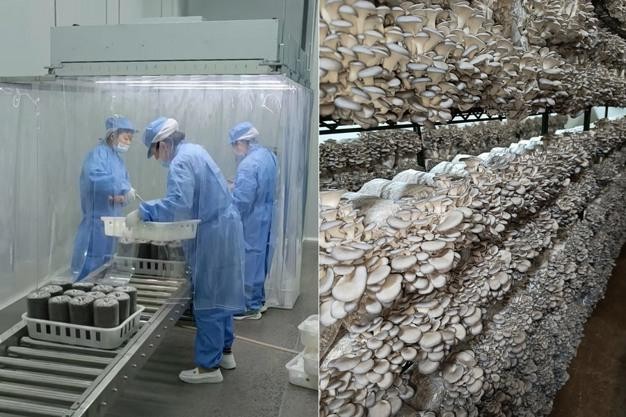
Equipment should be selected as part of a connected production workflow, rather than as isolated machines. Matching processing capacity across preparation, bagging, sterilization, inoculation, and post-harvest handling helps operators plan production more effectively.
Growing Room Design
Design an Efficient Oyster Mushroom Grow Room
A practical room layout supports clear production flow, organized material handling, and efficient use of available space.
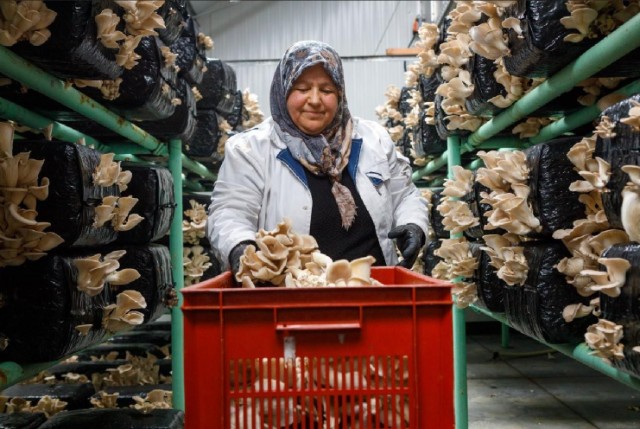
Oyster mushroom growing rooms should be planned around the full cultivation sequence, from raw material preparation through bag cultivation and post-harvest handling.
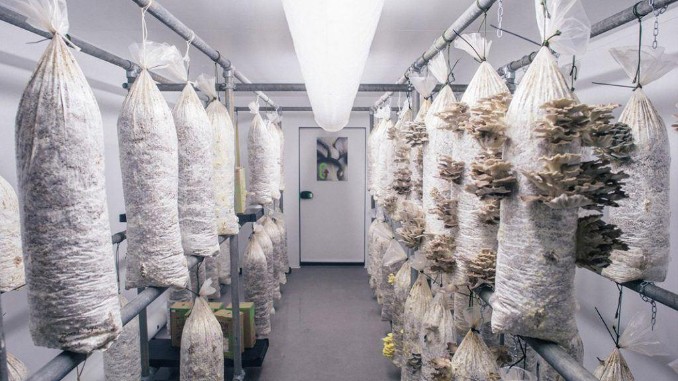
Incubation rooms typically use insulated panels, multi-tier racks, and dark conditions. Fruiting rooms need waterproof, anti-slip flooring, uniform air distribution, and a layout that supports efficient movement of workers and materials.
Greenhouse or container-based systems may also be considered for projects seeking a lower-capital entry point, depending on local operating conditions and the intended production scale.
Scalable Production
Oyster Mushroom Farming Solutions for Different Production Scales
Production lines can be configured for small farms, regional suppliers, and large-scale commercial operations.
Small Scale
Below 1 ton
Semi-automated line for small farms and start-ups
Medium Scale
1 – 5 tons
Automated line, autoclave, and liquid spawn equipment for regional distributors
Large Scale
5 – 20 tons
Fully automated lines for national and export supply
Extra-large Scale
Above 20 tons
Multiple integrated production lines for large commodity producers
Actual production capacity depends on the substrate formula, cultivation cycle, bag specifications, growing-room capacity, and operating schedule. Final equipment selection should be based on the project’s production targets and facility conditions.
Troubleshooting
Common Oyster Mushroom Growing Problems and Solutions
Deformed mushrooms(long stipe, small cap, cracking):
high CO₂ / low light / high temp / direct airflow → keep CO₂ below 2000ppm, add 300–800lux, stabilize 16–22°C.
Few primordia:
immature mycelium / weak temperature shock / low moisture → extend post-ripening, apply 5–8°C day-night shock, replenish moisture.
Yellowing / soft rot:
excess humidity / poor ventilation / direct spray → reduce RH to ~85%, ventilate, air humidification only.
FAQ About Oyster Mushroom Cultivation
What Is the Best Substrate for Growing Oyster Mushrooms?
Oyster mushrooms can be cultivated using cottonseed hulls, corncobs, broadleaf sawdust, and straw, together with suitable supplements. The reference substrate mix uses cottonseed hulls, corncobs, sawdust, wheat bran, corn flour, lime, and gypsum. The final formulation should account for the characteristics and availability of local raw materials.
Can You Grow Oyster Mushrooms Indoors?
Lorem ipsum dolor ist amte, consectetuer adipiscing eilt. Aenean commodo ligula egget dolor. Aenean massa. Cum sociis natoque penatibus et magnis dis parturient montes, nascetur ridiculus mus. Donec quak felis, ultricies nec, pellentesque eu, pretium quid, sem.
What Equipment Is Used for Oyster Mushroom Cultivation?
Typical equipment includes raw material crushers, substrate mixers, automatic bagging machines, sterilization systems, inoculation equipment, environmental control systems, and post-harvest processing machines. The final equipment list depends on the production workflow and required automation level.
What Equipment Is Needed for Commercial Oyster Mushroom Farming?
Commercial oyster mushroom farms may need an integrated line covering raw material preparation, mixing, bagging, sterilization, inoculation, incubation, fruiting, and processing. Equipment capacity and room configuration should be coordinated to support the target daily output.
Related Oyster Mushroom Growing Equipment
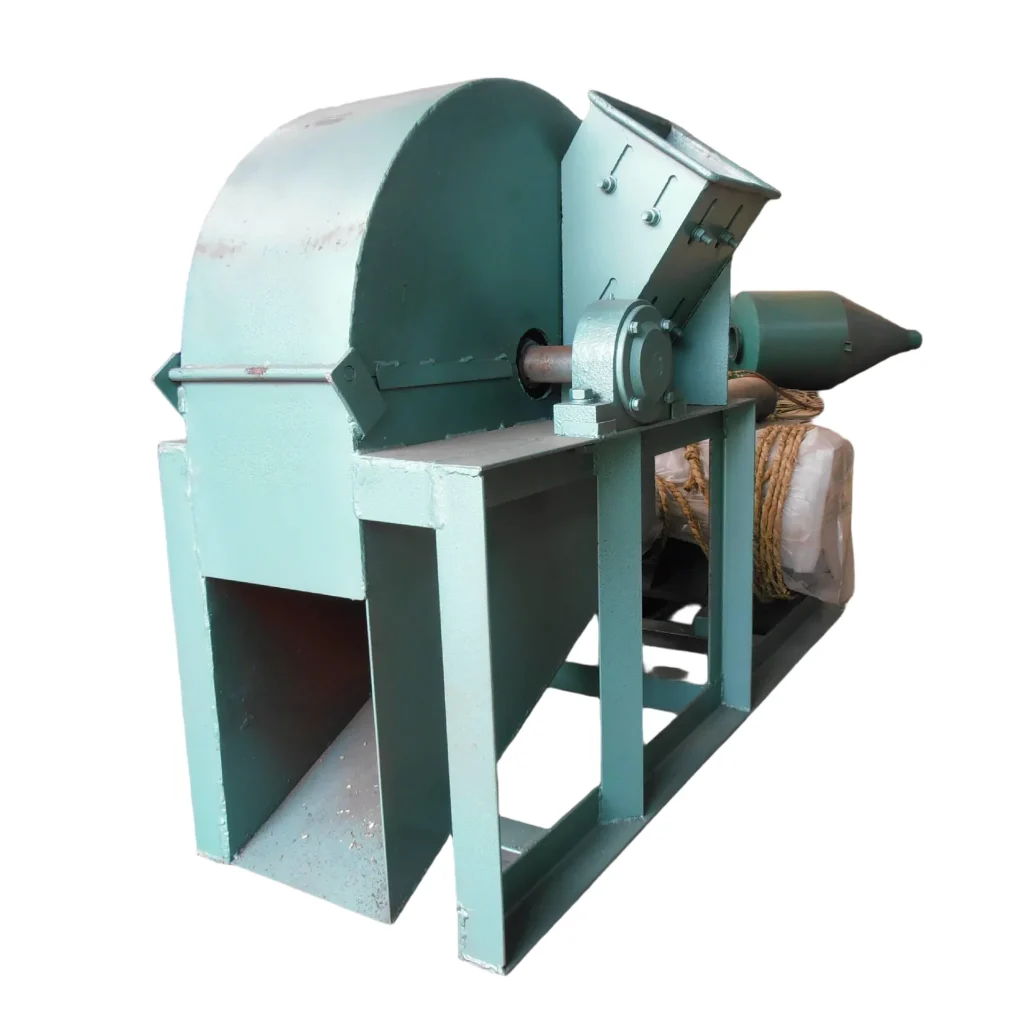
CRXH700A Wood Sawdust Crusher
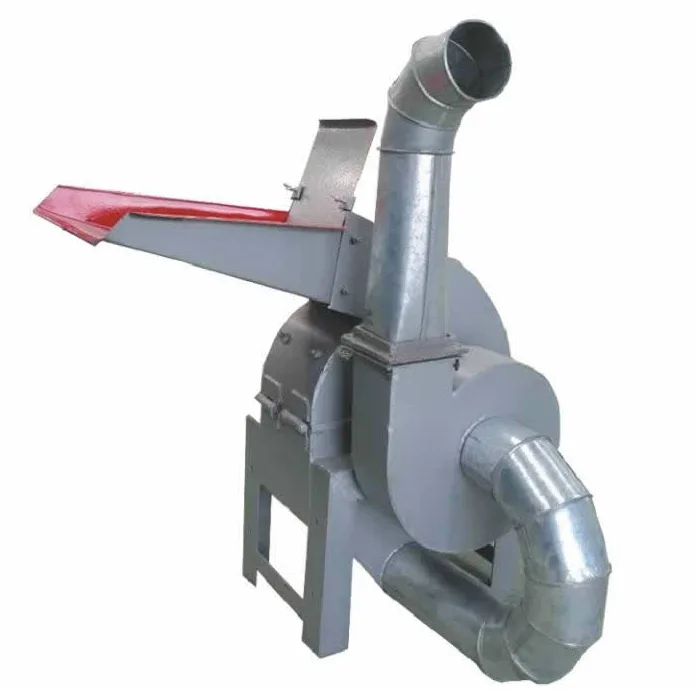
CRXH600A Corn Cob Crusher
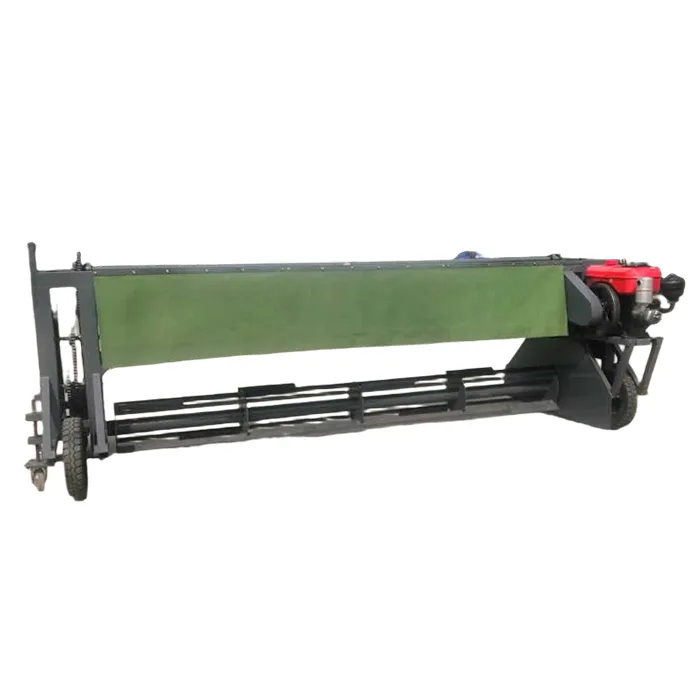
TUXH2MA Gantry Compost Turner
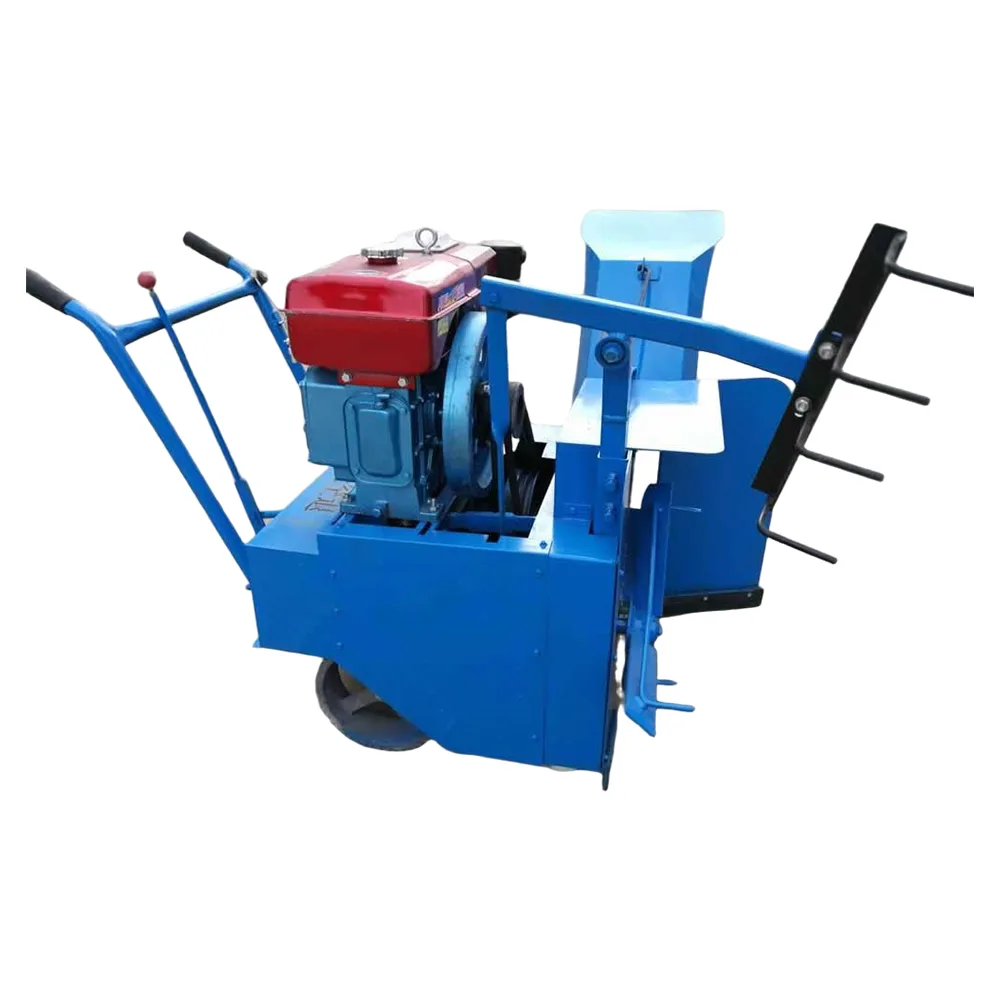
TUXH8000A Gantry Compost Turner for Mushroom Cultivation
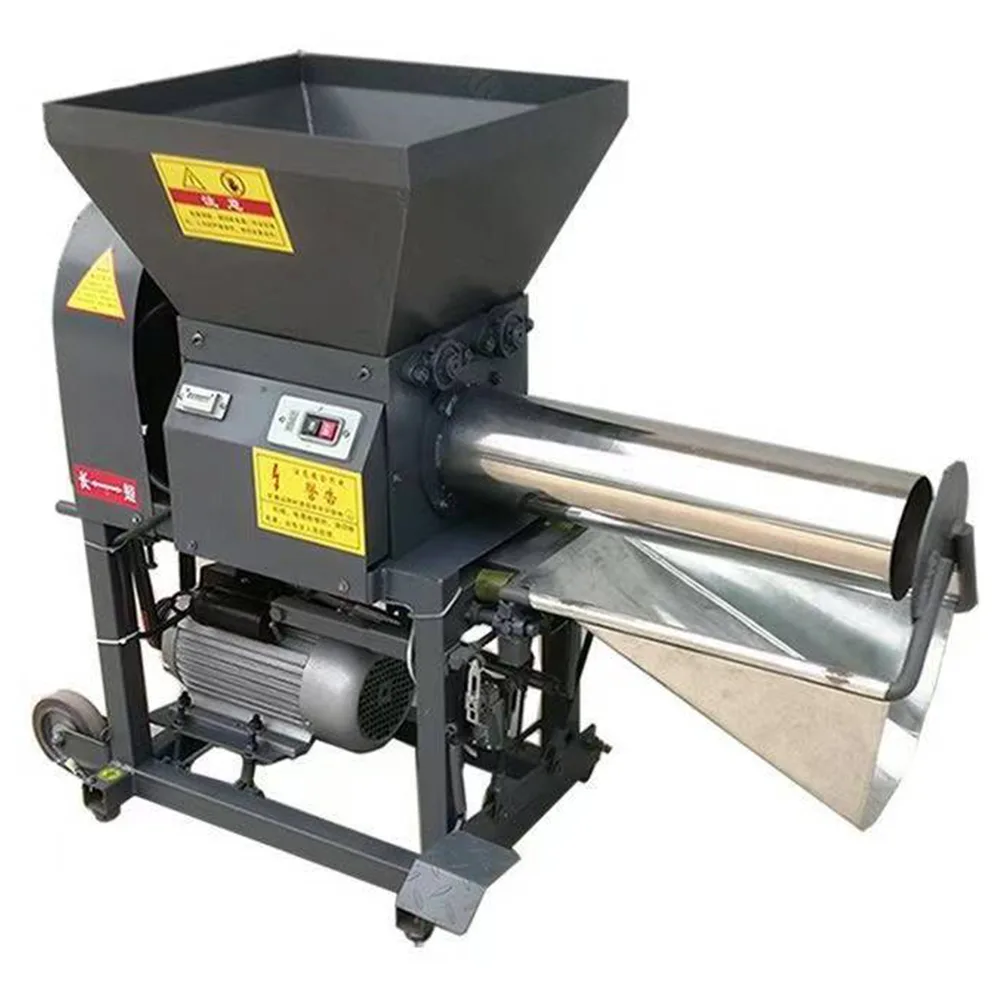
BMXH800A Pedal Bag Filling Machine
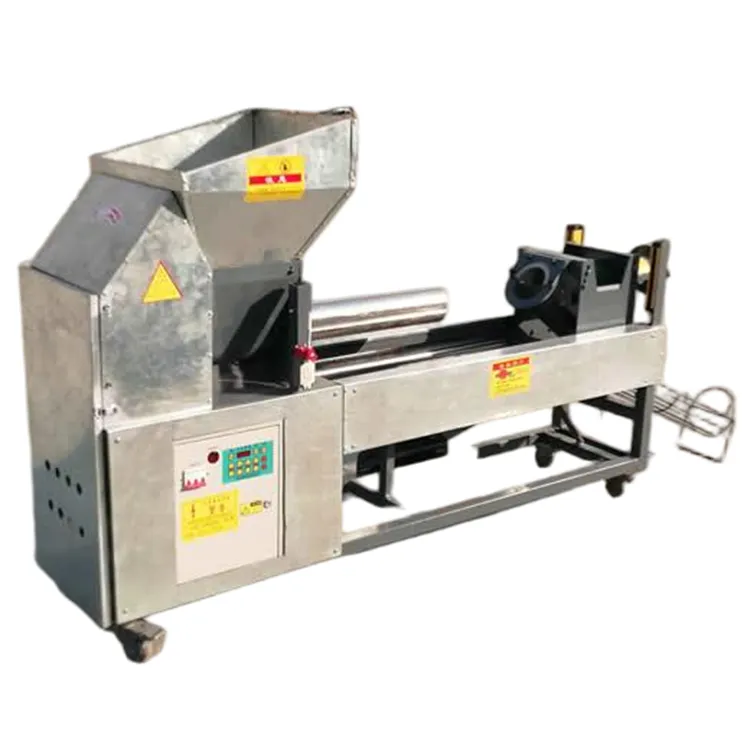
BMXH1200A Fully Intelligent CNC Round Mushroom Bagging Machine
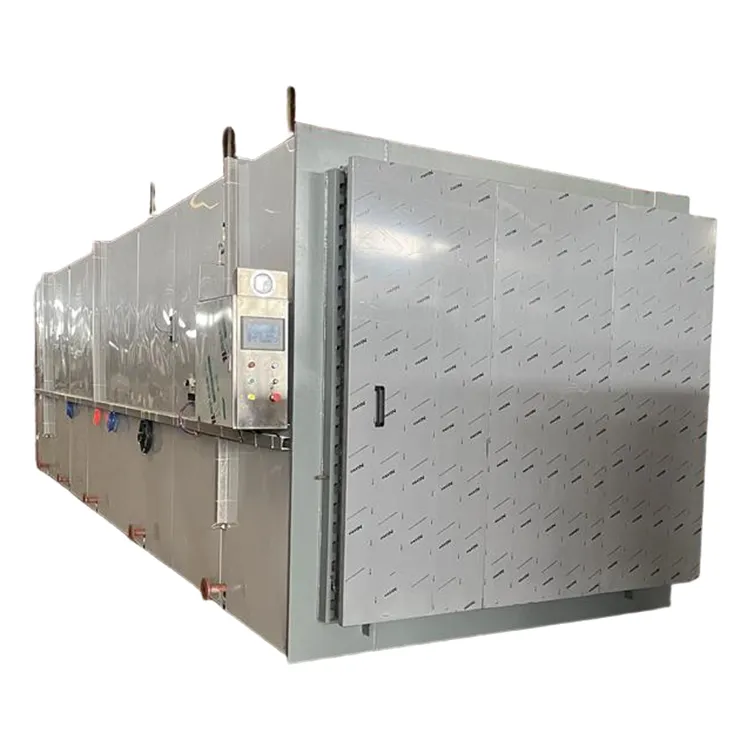
ASXH28CA High Pressure Sterilization Chamber
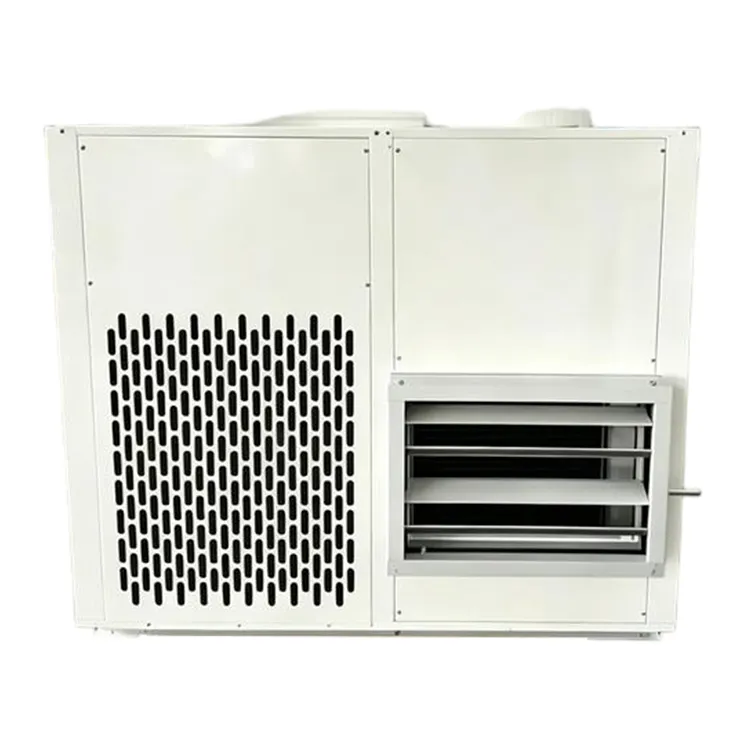
ACXH5300A Mushroom Farm Air Conditioner
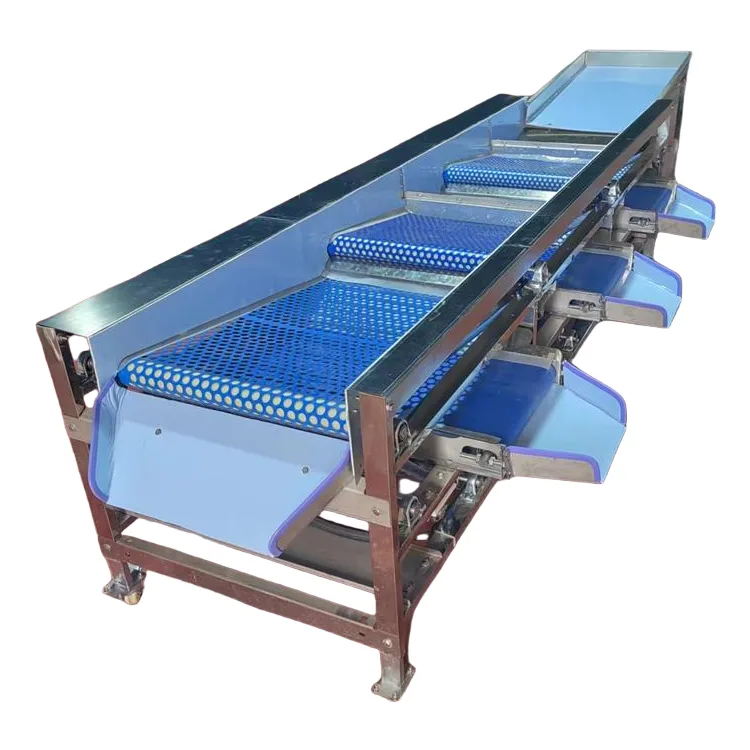
PBSMXH750A Perforated Belt Sorting Machine
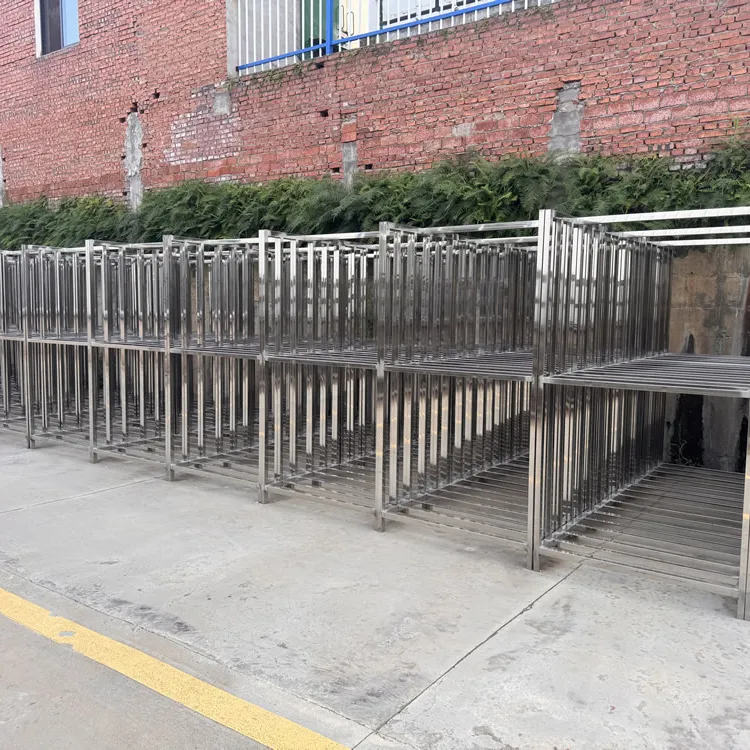
SRXH001A Sterilization Rack
Discuss Your Project
Looking for a Commercial Oyster Mushroom Growing Solution?
Tell us about your production goals, available building space, substrate materials, and current production process. Our team can help you evaluate suitable equipment configurations for your oyster mushroom cultivation project.