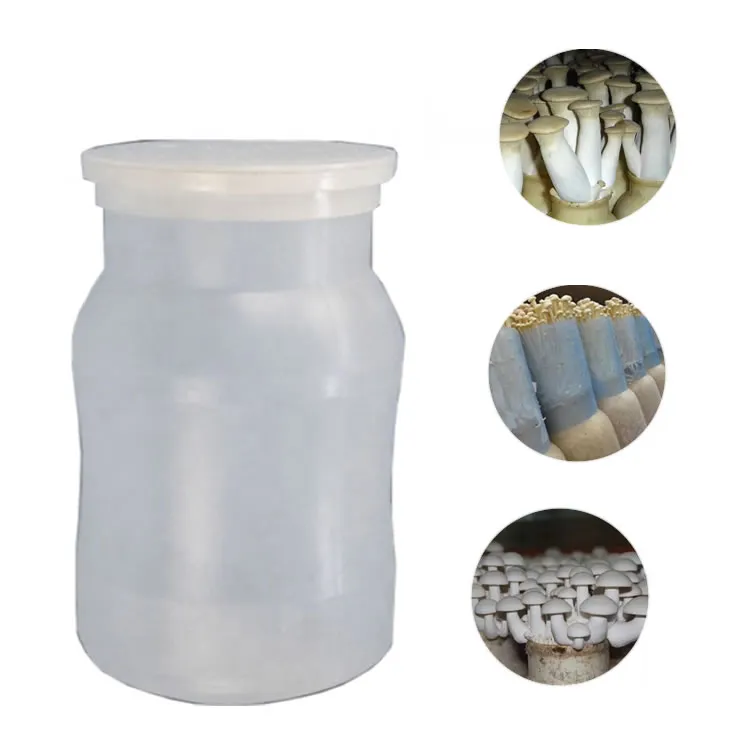











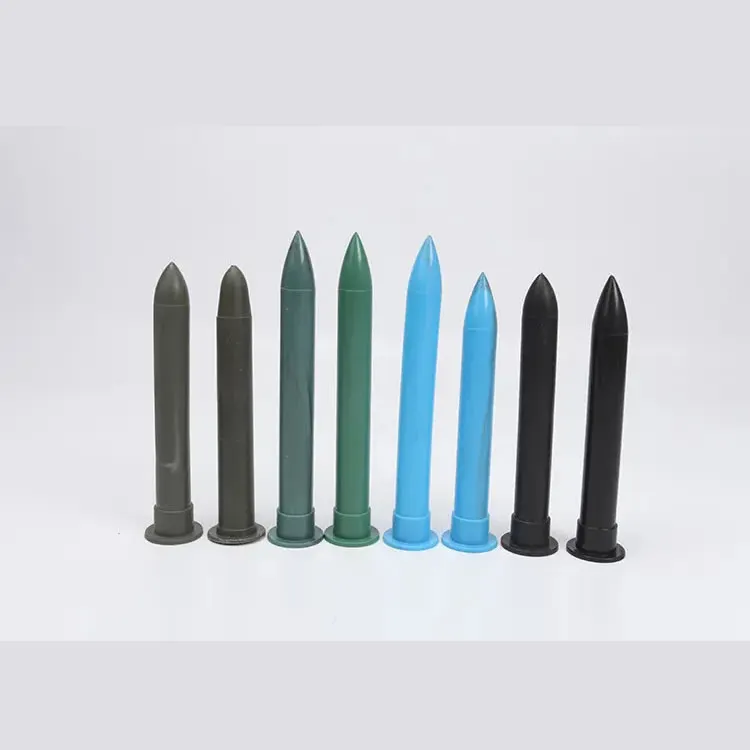
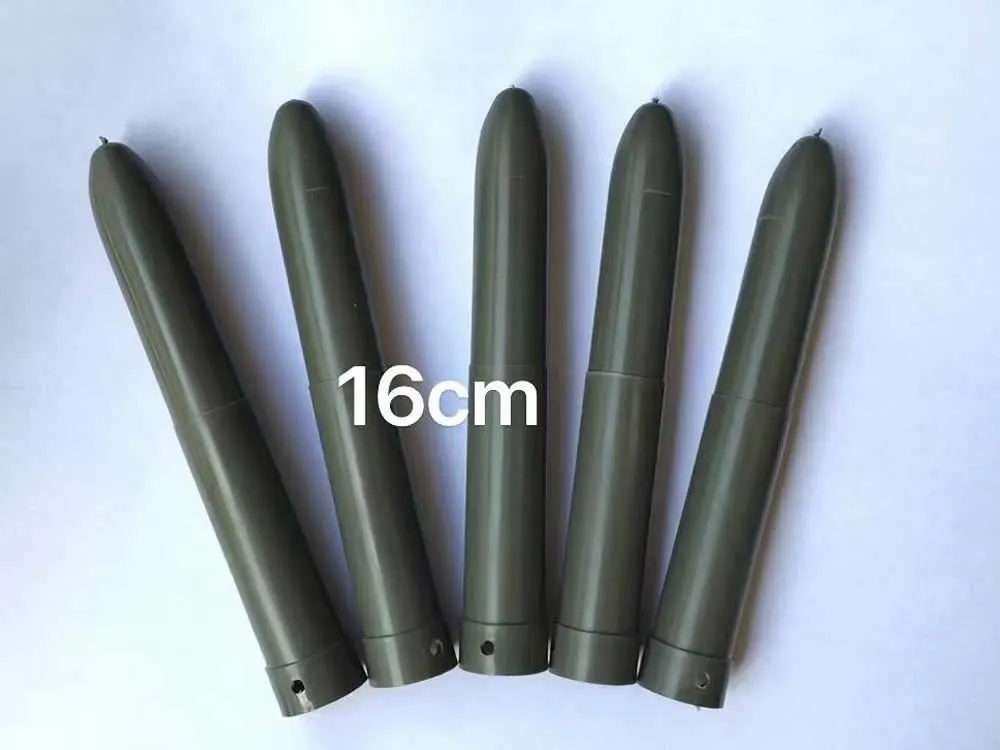
Inoculation Stick
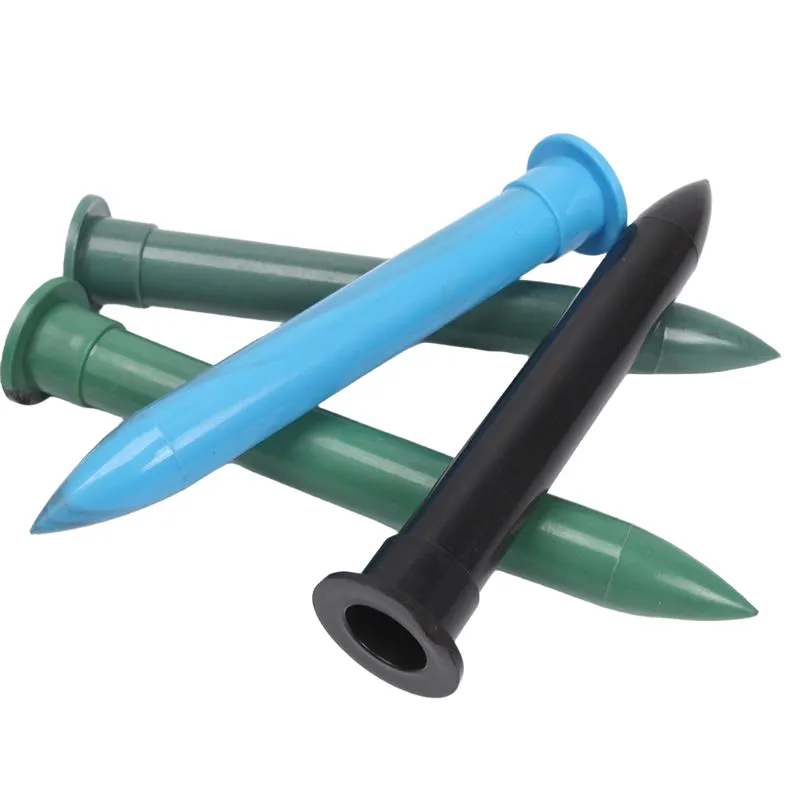
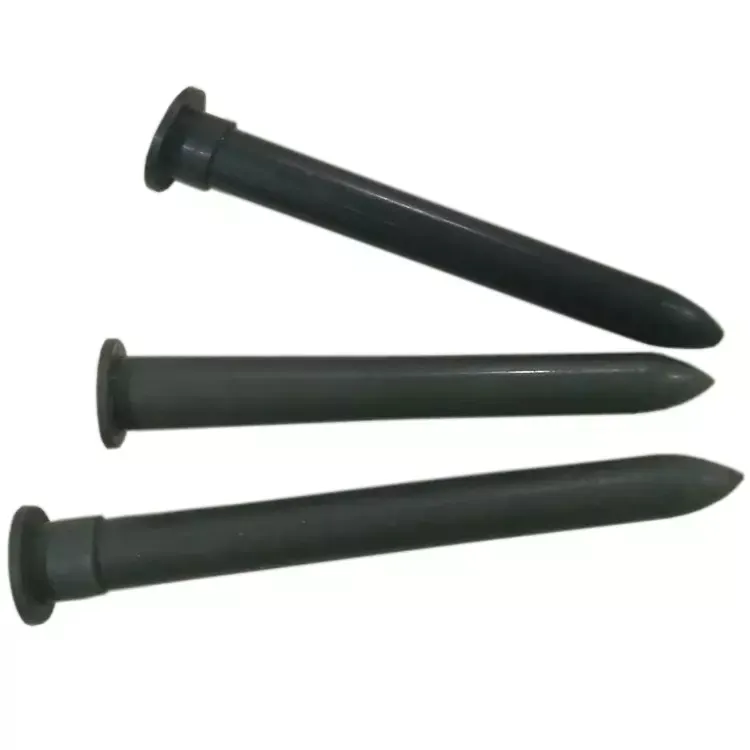
The Inoculation Stick is a reusable mushroom cultivation accessory inserted into substrate-filled grow bags before sterilization to create a convenient inoculation channel, helping improve inoculation efficiency, promote more uniform mycelial growth, and support long-term commercial mushroom cultivation.
Key Specifications
|
Model |
Product |
Length |
Diameter |
Material / Construction |
|
ISXH13A |
Inoculation Stick |
13 cm |
2 cm |
High-quality material, injection-molded |
|
ISXH16A |
Inoculation Stick |
16 cm |
2 cm |
High-quality material, injection-molded |
|
ISXH20A |
Inoculation Stick |
20 cm |
2 cm |
High-quality material, injection-molded |
Main Features
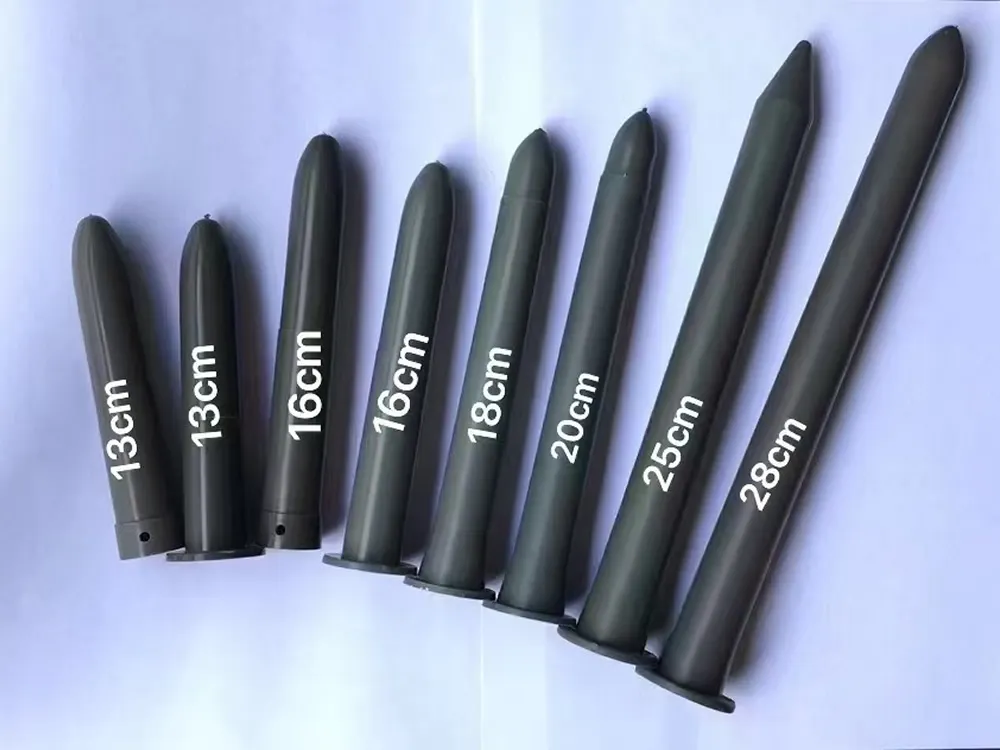
- Available in 13 cm, 16 cm, and 20 cmstandard lengths
- Approximately 2 cm diameter
- One-piece injection-molded construction
- Designed to withstand high-pressure sterilization conditions
- Durable and reusable
- Easy to clean and dry after use
- Designed for repeated use over approximately 3–5 years, depending on operating and cleaning conditions
- Creates a pre-formed channel inside the mushroom substrate for subsequent inoculation
Other lengths and specifications can be discussed according to the substrate bag size and cultivation process.
Product Description
The Inoculation Stick is a specialized accessory used in substrate-based mushroom cultivation. It is designed to create a dedicated channel inside a filled mushroom grow bag before the substrate undergoes sterilization.
In conventional cultivation, mushroom spawn may need to be introduced into the substrate through the bag opening or other inoculation points. The inoculation stick provides another cultivation approach by creating a defined internal space that can later be used during the inoculation process.
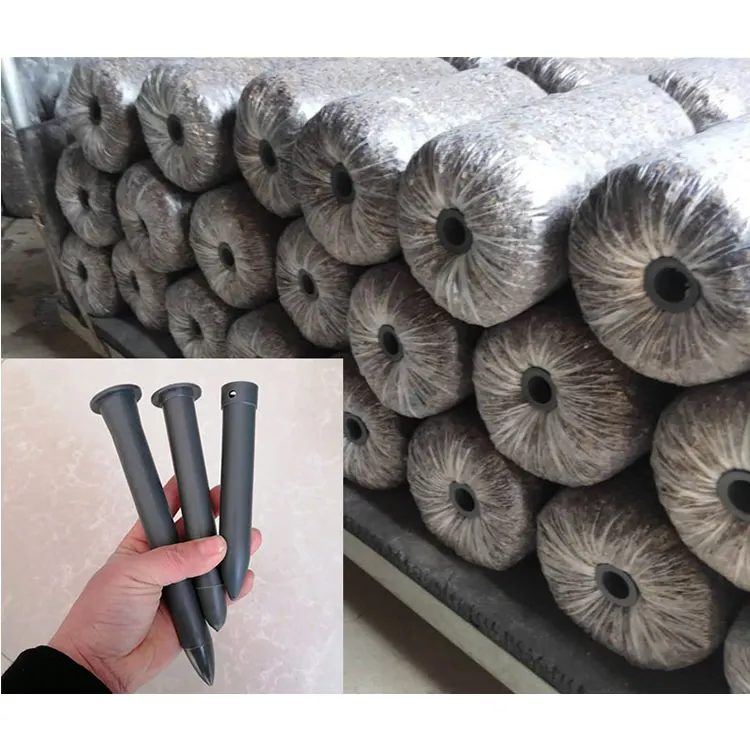
The stick is inserted into the substrate after the mushroom bag has been filled. The entire bag, together with the inserted stick, then undergoes the required sterilization process. After sterilization, the bag is cooled before the stick is removed. Mushroom spawn can then be introduced into the channel, after which the bag opening is closed and the cultivation bag enters the incubation stage.
According to the supplied cultivation process, this method can help accelerate mycelial colonization compared with conventional inoculation methods, with the potential to shorten the time required for the mycelium to fully colonize the substrate by approximately 10–15 days under suitable cultivation conditions.
The resulting mycelium is described as white and vigorous, while the cultivation process can improve resistance to contamination when appropriate sterilization, inoculation hygiene, and environmental controls are maintained.
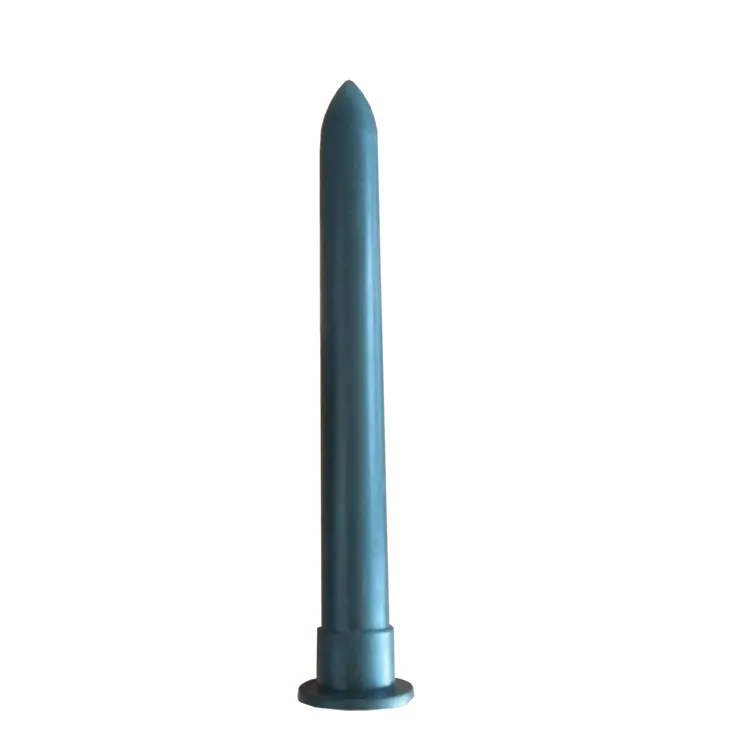
The stick is produced through one-piece injection molding, providing a smooth and durable structure. After each cultivation cycle, it can be washed, cleaned, and dried for reuse.
Working Principle
The Inoculation Stick is used as part of the mushroom substrate preparation and inoculation process.
Prepare the Mushroom Substrate
The selected substrate is prepared according to the requirements of the mushroom species.
Typical materials may include sawdust, wood-based materials, agricultural residues, bran, and other suitable substrate ingredients.
A Substrate Mixer can be used to achieve more consistent mixing and moisture distribution.
Fill the Cultivation Bag
The prepared substrate is filled into a suitable mushroom grow bag.
A Mushroom Bagging Machine can be used for larger-scale production to improve filling consistency and production efficiency.
Insert the Inoculation Stick
After filling, the inoculation stick is inserted into the substrate inside the mushroom bag.
The stick creates a defined internal channel that remains in the substrate during subsequent sterilization.
Sterilize the Filled Bag
The bag containing the substrate and inoculation stick is transferred to the sterilization stage.
Depending on the production process, a Sterilization Rack / Sterilization Trolley can be used to transport the bags into a suitable mushroom sterilizer.
The supplied product is designed to withstand high-pressure sterilization conditions.
Cool the Substrate
After sterilization, the mushroom bag is cooled to an appropriate temperature before inoculation.
This step is important because mushroom spawn should not be introduced into excessively hot substrate.
Remove the Stick
After cooling, the inoculation stick is carefully removed from the mushroom bag, leaving a pre-formed channel inside the substrate.
Introduce Mushroom Spawn
Mushroom spawn is introduced into the prepared channel.
The defined channel can provide a direct route for the spawn to establish contact with the surrounding substrate.
Seal and Incubate
The bag opening is closed after inoculation and transferred to the incubation area.
The mushroom mycelium then grows through the substrate under appropriate temperature, humidity, ventilation, and hygiene conditions.
Suitable Raw Materials and Mushroom Types
The Inoculation Stick is suitable for mushroom cultivation systems using bagged substrate.
Common substrate materials include:
- Sawdust
- Wood chips
- Cottonseed hulls
- Wheat bran
- Agricultural residues
- Formulated mushroom substrate
- Other suitable lignocellulosic cultivation materials
It can be used with mushroom species that are commonly cultivated in substrate-filled bags, including:
- Oyster mushroom
- Shiitake mushroom
- King oyster mushroom
- Enoki mushroom
- Wood ear mushroom
- Silver ear mushroom
- Other suitable edible mushroom varieties
The appropriate stick length should be selected according to the dimensions of the cultivation bag and the amount and shape of the substrate block.
Capacity / Production Scale
The Inoculation Stick is a passive cultivation accessory, so it does not have an independent bags-per-hour production capacity.
Its application is suitable for:
- Small-scale mushroom farms
- Medium-sized commercial mushroom farms
- Large-scale mushroom production
- Manual cultivation operations
- Semi-automatic cultivation lines
- Commercial substrate bag production
Multiple sticks can be used simultaneously during batch bag preparation, allowing the accessory to support high-volume mushroom cultivation without requiring electrical power.
For larger operations, the sticks can be used together with automated substrate mixing, bag filling, sterilization, inoculation, and material handling equipment.
Automation Level
The Inoculation Stick itself is a non-powered, manually operated cultivation accessory.
However, it can be incorporated into a semi-automatic or automated mushroom production workflow.
For example:
Substrate Mixing → Automatic Bag Filling → Inoculation Stick Insertion → Sterilization → Cooling → Stick Removal → Inoculation → Incubation → Fruiting
For high-volume production, the insertion and removal stages can potentially be coordinated with the customer’s bagging and material-handling process, depending on equipment configuration.
Integration with Mushroom Production Line
Upstream Equipment
It can be used together with:
- Sawdust Crusher– prepares wood-based substrate materials
- Substrate Mixer– mixes substrate ingredients and moisture
- Mushroom Grow Bags– provide the cultivation container
- Mushroom Bagging Machine– fills substrate into bags
Sterilization Equipment
After the stick is inserted, the filled bags can be transferred using:
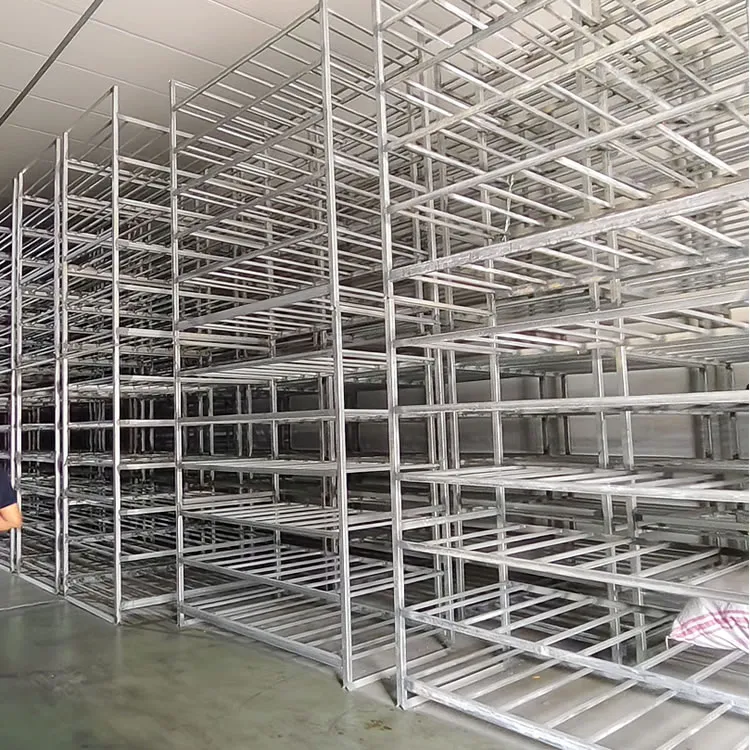
- Sterilization Rack
- Sterilization Trolley
- Mushroom Sterilizer
- Steam Generator
The sterilization process should be selected according to the substrate formulation and cultivation system.
Downstream Equipment
After cooling and stick removal, the bags proceed to:
Inoculation → Incubation → Fruiting
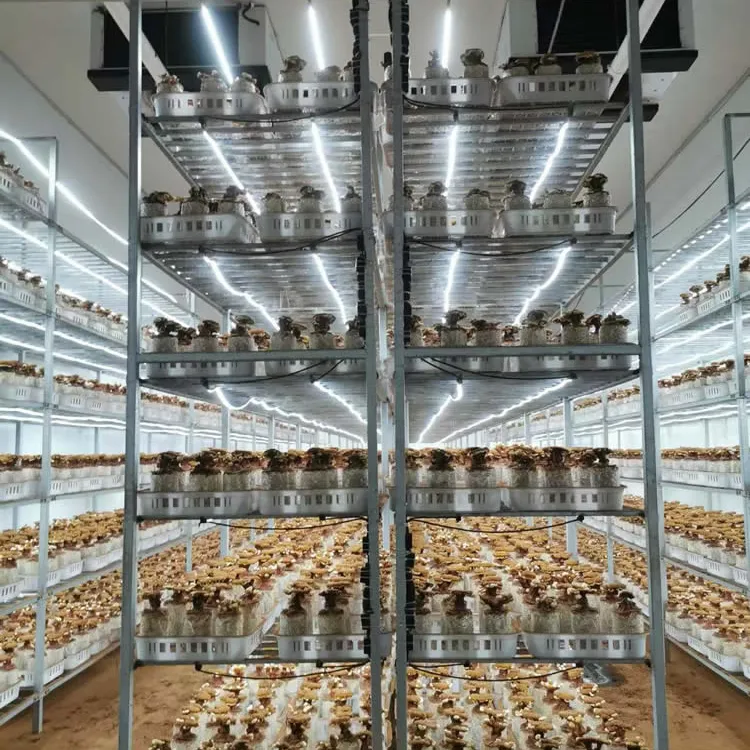
They can subsequently be placed on Mushroom Incubation Racks or transported to controlled fruiting rooms.
This makes the inoculation stick a small but useful component within a complete substrate-based mushroom cultivation line.
A typical production workflow is:
Raw Material Preparation → Substrate Mixing → Bagging → Sterilization → Cooling → Inoculation → Mycelial Incubation → Fruiting → Harvesting → Processing
Service & FAQ
Installation & Service
The Inoculation Stick is a non-powered accessory and therefore does not require electrical installation or mechanical commissioning.
Application Guidance
Technical guidance can be provided regarding:
- Selection of 13 cm, 16 cm, or 20 cm length
- Matching the stick with mushroom bag dimensions
- Proper insertion depth
- Removal after sterilization and cooling
- Cleaning and drying procedures
Operator Training
For commercial cultivation projects, operators can be instructed on proper insertion, removal, cleaning, and storage procedures.
Cleaning and Reuse
After use, the stick should be thoroughly cleaned and dried before the next cultivation cycle.
With proper cleaning, handling, and storage, the product is designed for repeated use over approximately 3–5 years.
Technical Support
Technical support can be provided for product selection, cultivation-process integration, and compatibility with mushroom bagging and sterilization equipment.
FAQ
No. The stick is removed after sterilization and cooling, before mushroom spawn is introduced. The resulting channel remains in the substrate for inoculation.
The standard models are 13 cm, 16 cm, and 20 cm, all with an approximate diameter of 2 cm. The appropriate length depends on the cultivation bag and substrate dimensions.
The product is made from a high-quality injection-molded material designed to withstand high-pressure sterilization conditions. Actual compatibility should be evaluated according to the sterilization temperature, pressure, cycle time, and equipment used.
Yes. After each use, it can be cleaned and dried for reuse. Under appropriate cleaning, handling, and storage conditions, the supplied product is designed for approximately 3–5 years of repeated use.
Yes. It can be incorporated into a commercial substrate-bag production process together with an automatic bagging machine. For automated production, the stick dimensions, bag size, substrate filling method, and equipment configuration should be matched in advance.