











Mushroom Bagging Machine for Edible Mushroom Cultivation
Mushroom bagging machines fill prepared substrate into cultivation bags with controlled filling length, density, and quantity before inoculation.
Filling • Sealing • Counting
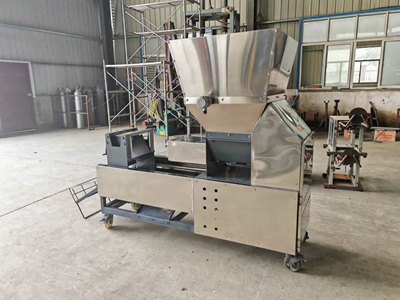
What Production Stage Does a Mushroom Bagging Machine Support?
In traditional mushroom cultivation, manual substrate filling requires significant labor and often causes inconsistent bag weight, loose substrate density, and unstable production efficiency. A mushroom bagging machine solves the filling stage by automatically feeding prepared substrate into cultivation bags and controlling filling length, tightness and quantity.
Typical Process
Substrate Preparation → Substrate Feeding → Bag Filling → Bag Sealing / Clipping → Inoculation → Mushroom Cultivation
These machines are suitable for various cultivation bags, including round bags, square bags and specialized mushroom cultivation bags.
Substrate Feeding
Bag Filling
Sealing / Clipping
Cultivation Preparation
What Types of Mushroom Bagging Machines Are Available?
Different mushroom bagging machines provide different filling capacities, bag configurations, and automation functions for small farms, commercial growers, and industrial mushroom production.
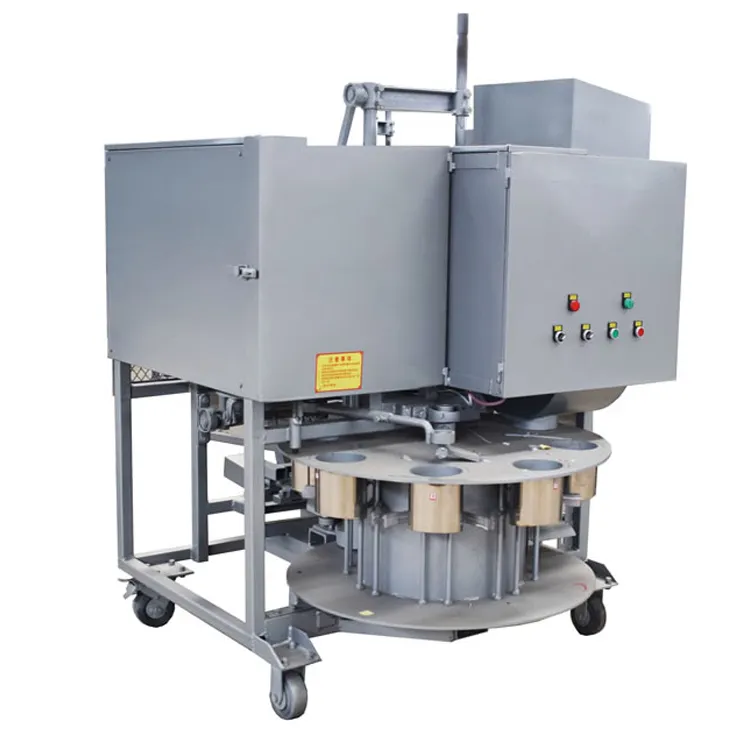
BMXH1500B Bagging Machine
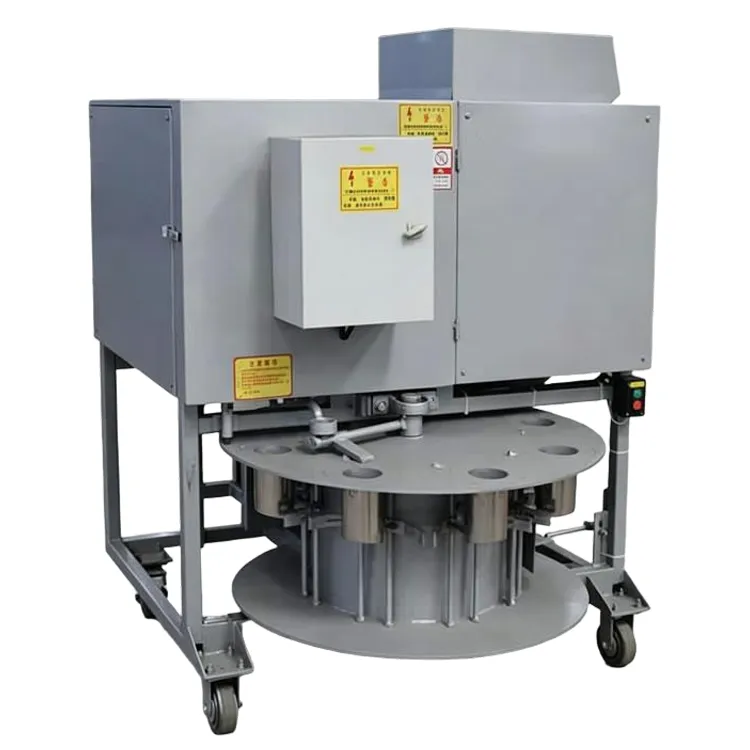
BMXH1500A Single Punch Bagging Machine
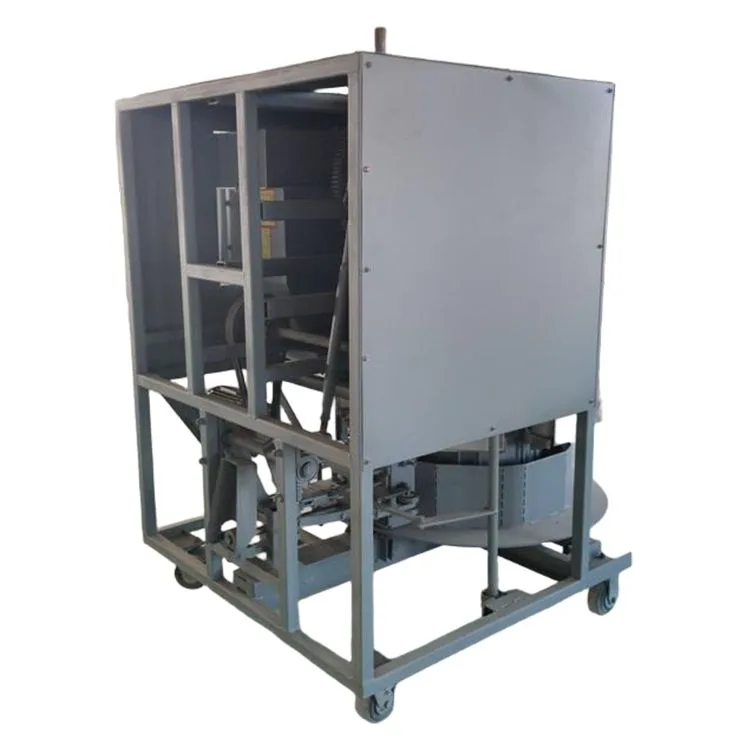
BMXH1000A Bag Filling Machine
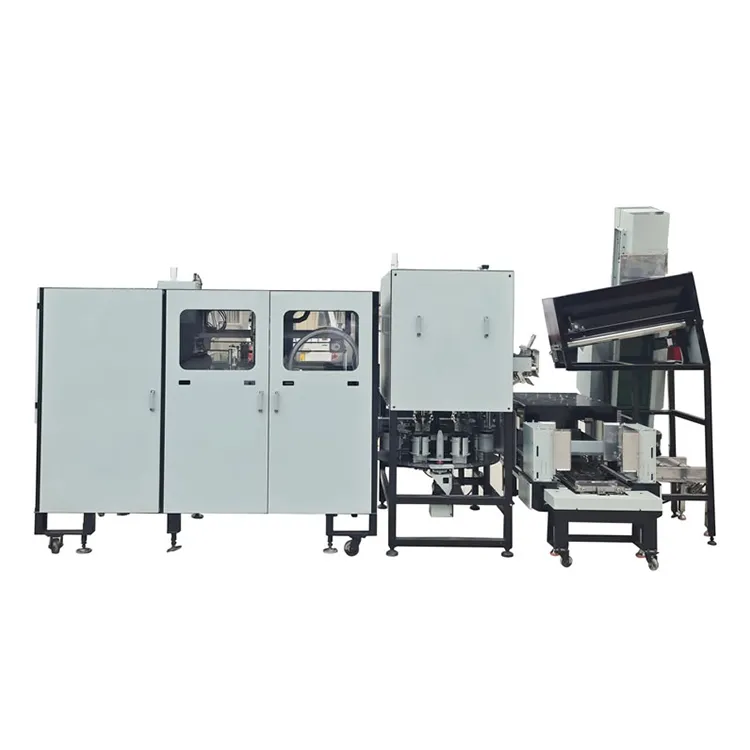
BMCXH1800A Auto Bagging + Recessing + Stick-Insertion Combined Machine
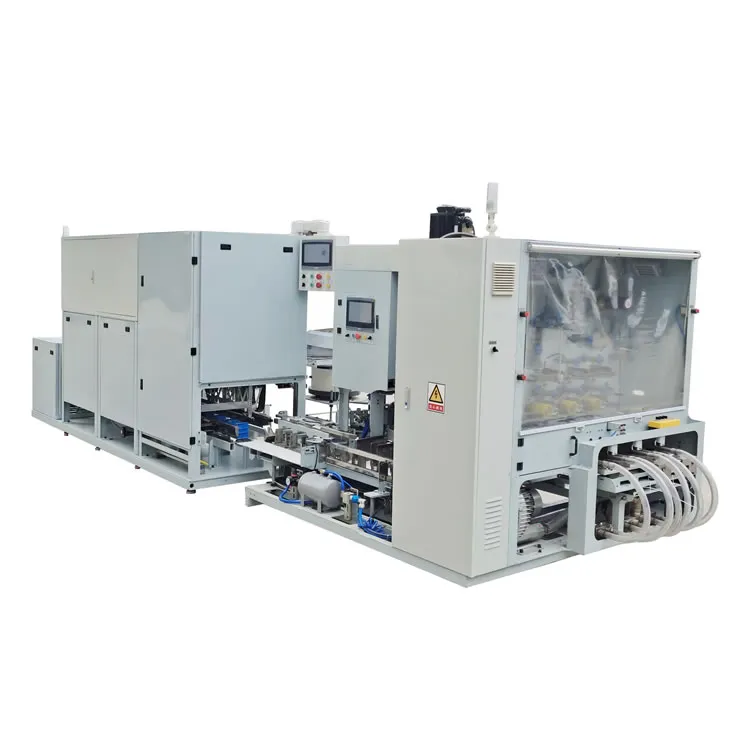
BMCXH3000A Combined Bagging Machine
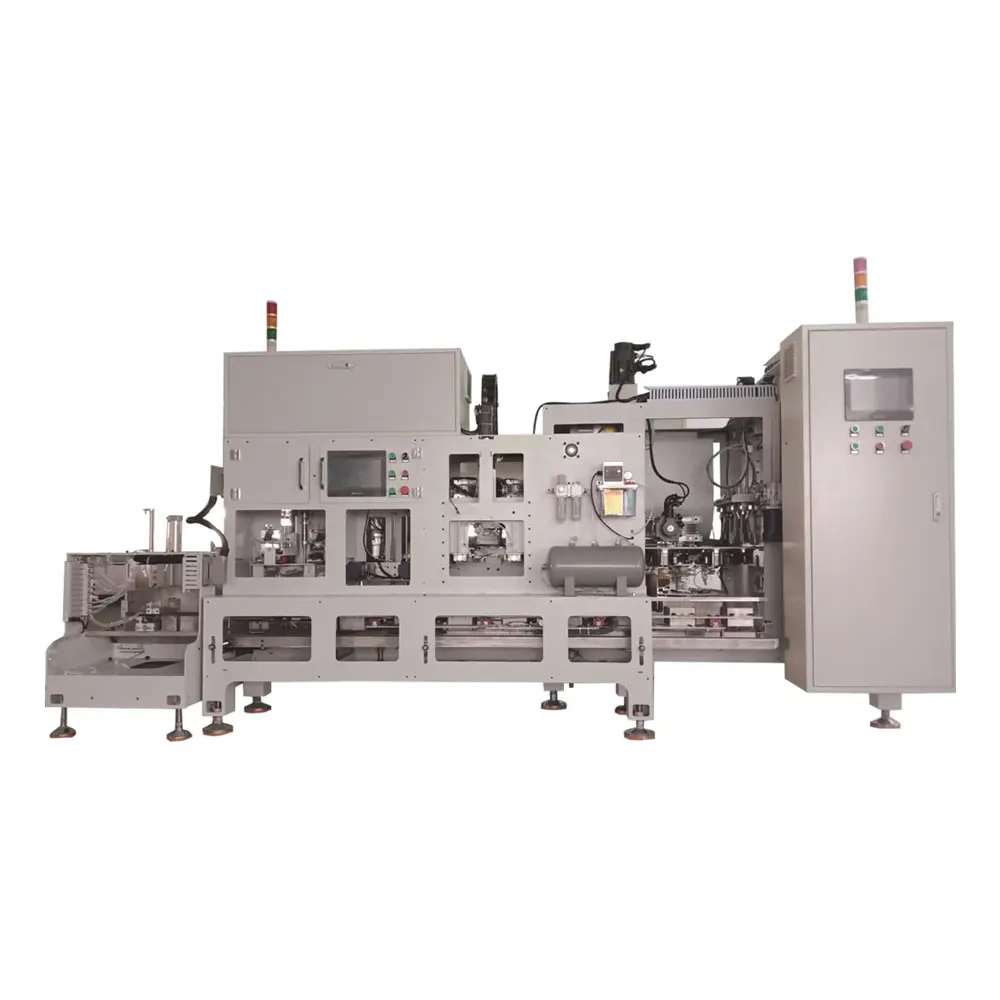
BMCXH1400A Bagging, Collaring, Capping & Basket Loading Combined Machine
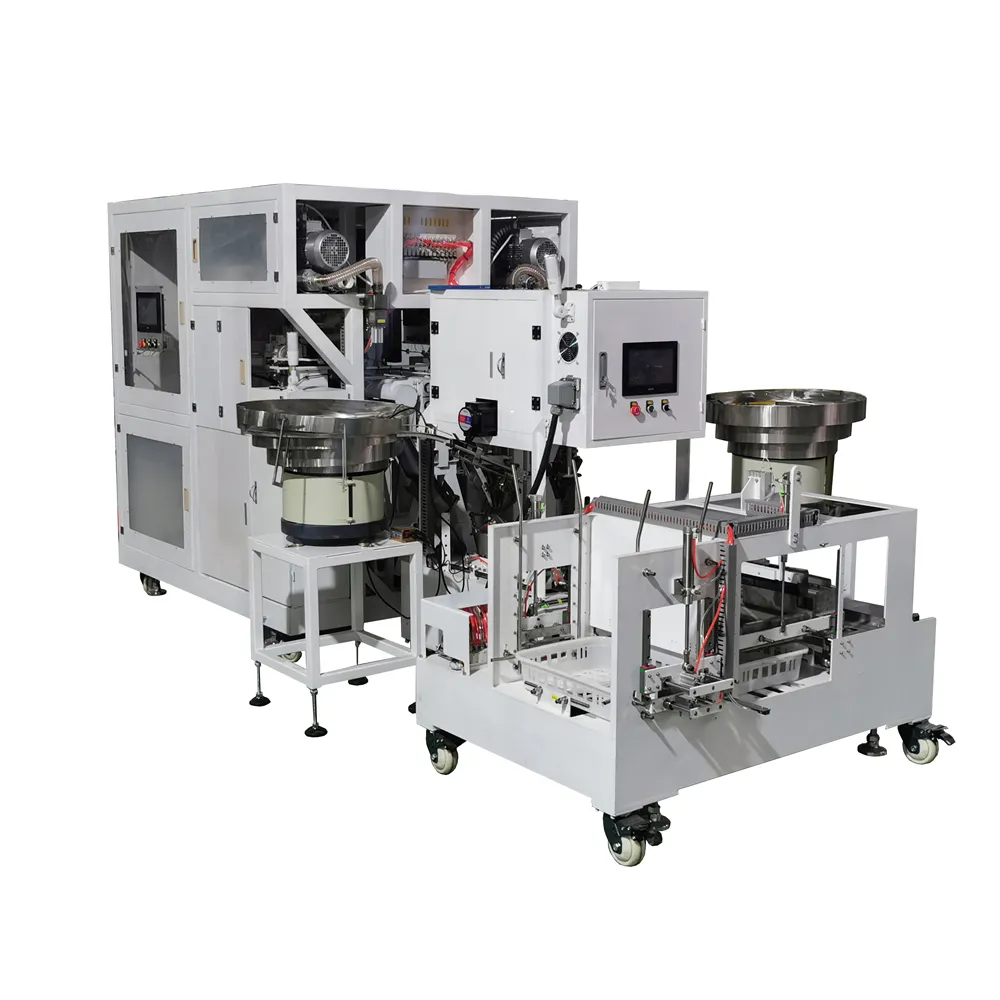
BMCXH1400B Fully Automatic Mushroom Bag Recessing
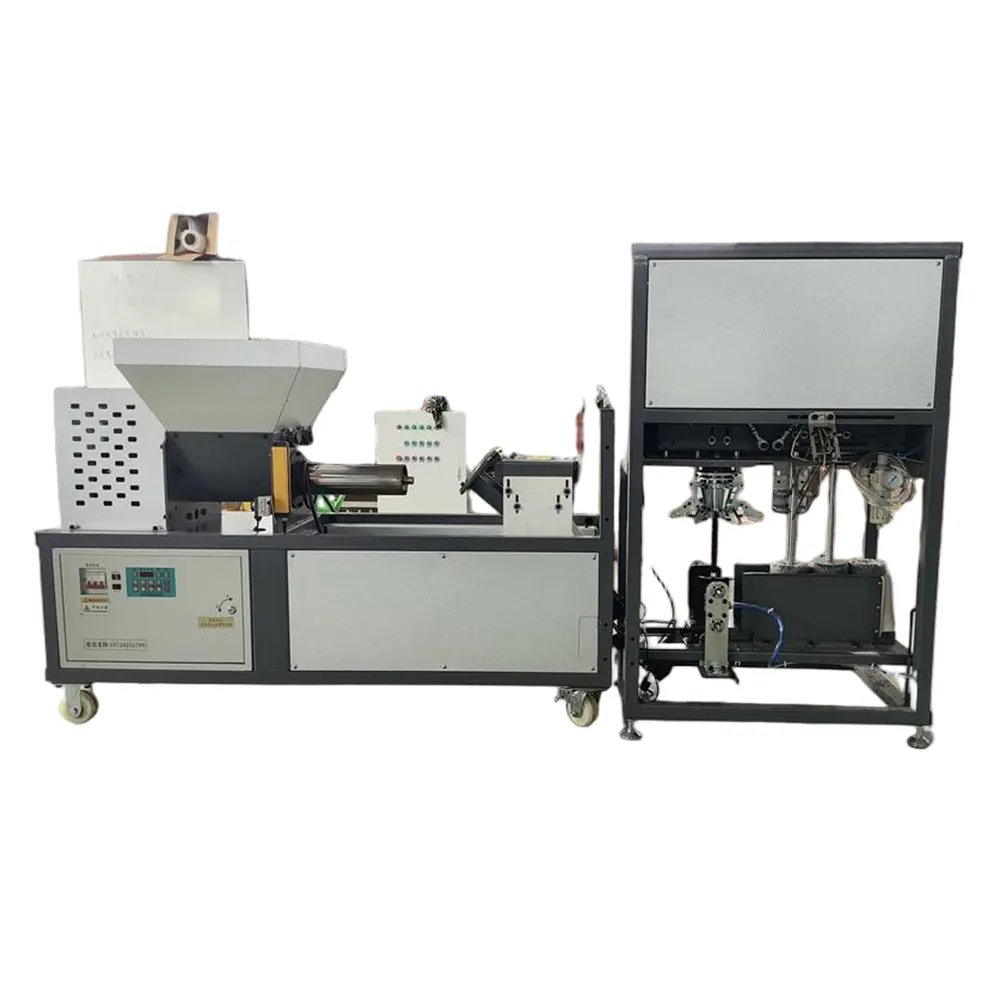
BMCXH1000A Automatic Mushroom Bag Filling Recessing
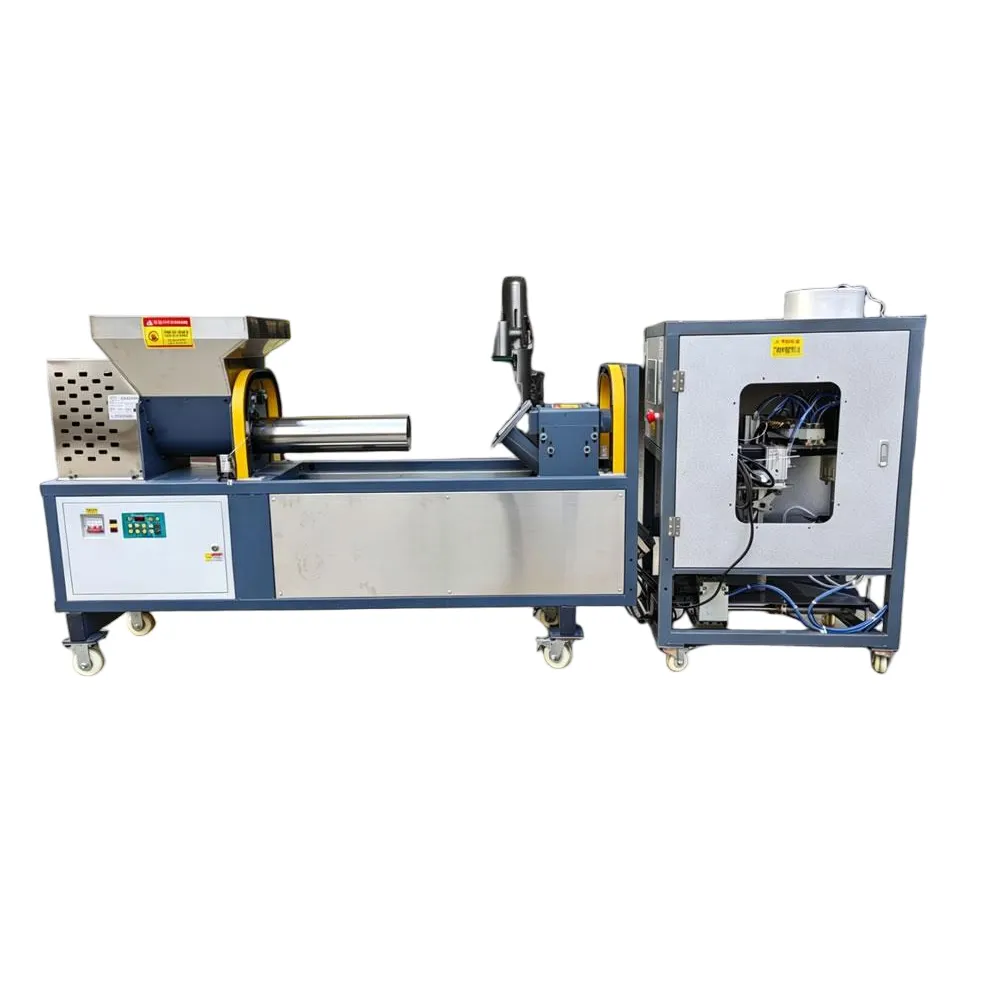
BMCXH800B Automatic Mushroom Bagging
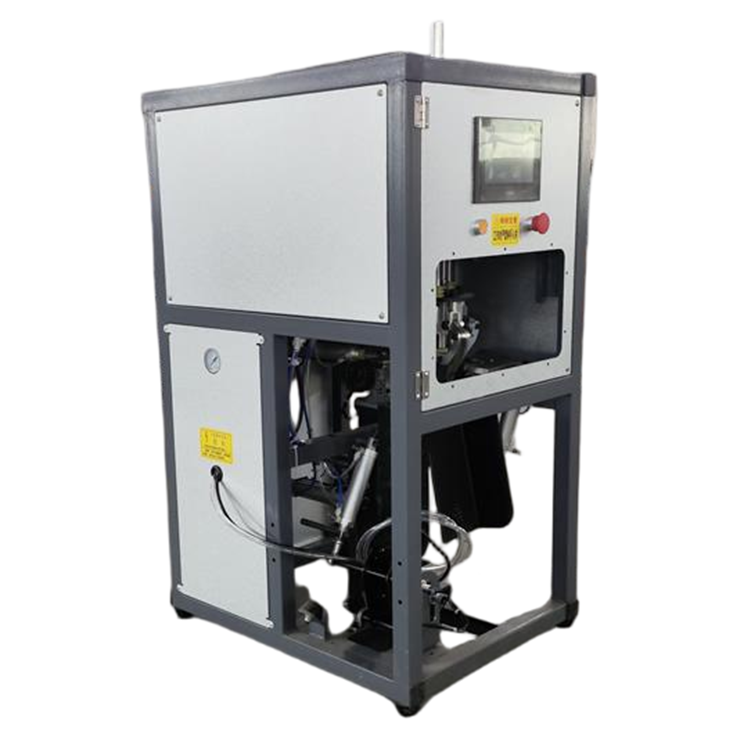
BMCXH900B Automatic Mushroom Bagging
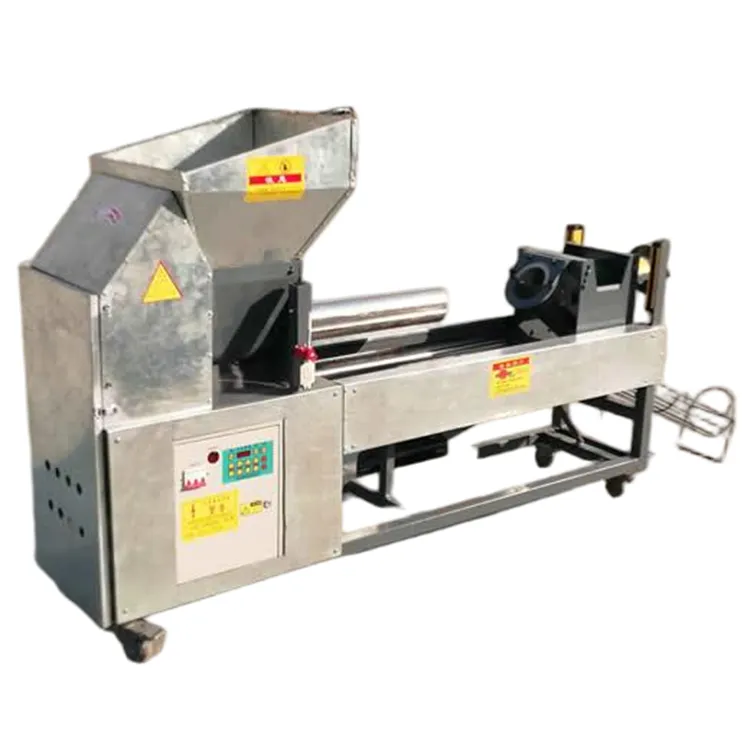
BMXH1200A Fully Intelligent CNC Round Mushroom Bagging Machine
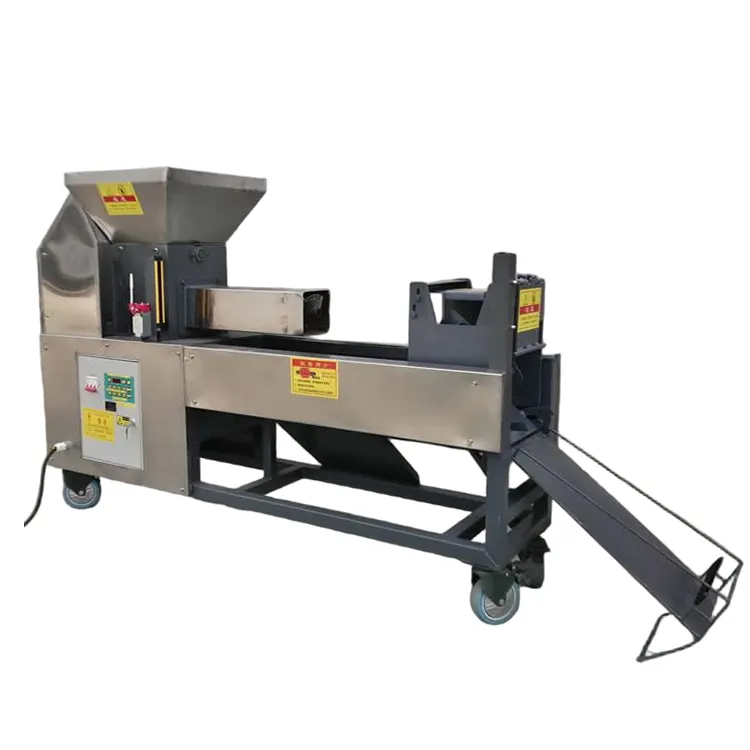
BMXH800D Square Block Bagging Machine
What Production Stage Does Raw Material Mixing Equipment Support?
The four representative models cover two turning systems and two batch-mixing structures.
Self-Propelled Walk-Behind Compost Turner
The self-propelled walk-behind model is designed for compact operation and high stated throughput. It can be operated by one operator.
- Power: 3 kW
- Voltage: 220/380 V
- Capacity: >5,000 kg/h
- Weight: 178 kg
- Dimensions: 118 × 108 × 85 cm
- Operation: 1 operator
Gantry Compost Turner
The Gantry Compost Turner is designed for larger substrate piles and farm-scale preparation. It provides a 2 m working diameter and motorized travel.
- Main motor: 5.5 kW
- Travel motor: 0.75 kW
- Voltage: 380 V
- Weight: 500 kg
- Dimensions: 275 × 135 × 150 cm
- Working diameter: 2 m
Tilting Hopper Substrate Mixer
The Tilting Hopper Substrate Mixer uses an arc-shaped mixing trough and dual-bearing structure for controlled batch substrate mixing.
- Power: 4 kW
- Voltage: 380 V
- Capacity: 180 kg/batch
- Weight: 380 kg
- Dimensions: 275 × 90 × 110 cm
Side-Discharge Substrate Mixer
The Side-Discharge Substrate Mixer uses a motor-and-gearbox drive and solid steel-strip auger for granular substrate preparation.
- Power: 4 kW
- Voltage: 380 V/50 Hz
- Capacity: 300 kg/batch
- Cycle time: 8 minutes
- Weight: 480 kg
- Dimensions: 229 × 88 × 116 cm
Which Mushroom Cultivation Applications Can Use These Machines?
Mushroom bagging machines are used for different bag-cultivated edible fungi, including:
Oyster Mushroom (Pleurotus ostreatus)
Commonly cultivated in substrate bags, oyster mushrooms require uniform substrate filling to maintain consistent bag shape and suitable growing conditions.
Shiitake Mushroom (Lentinula edodes)
Shiitake cultivation uses prepared substrate filled into cultivation bags, making consistent filling density and bag dimensions important for stable cultivation.
Wood Ear Mushroom (Auricularia auricula-judae)
Wood ear mushrooms can be cultivated in substrate bags, where efficient filling and consistent substrate compression support standardized cultivation preparation.
King Oyster Mushroom (Pleurotus eryngii)
King oyster mushroom cultivation commonly uses substrate-filled bags, requiring controlled filling length and density for uniform cultivation units.
Other Bag-Cultivated Edible Fungi
Other edible fungi grown in cultivation bags can also use suitable bagging equipment according to their substrate, bag dimensions, and production requirements.
Production Scale
Small-Scale Mushroom Cultivation
Compact clutch-type and pneumatic bagging machines can be used for smaller mushroom cultivation operations.
Commercial Mushroom Farms
Square bagging machines and bagging-clipping machines provide higher filling efficiency for commercial production.
Industrial Mushroom Production
Large production facilities can use automatic systems with bag recessing, spawn stick inserting, and basket loading functions.
How Should You Choose the Right Mushroom Bagging Machine?
The appropriate machine depends on production capacity, mushroom bag type, and required automation level.
Match the Production Capacity
Choose the equipment according to the required bags per hour.
- Pneumatic: 900–1,100 bags/h
- Clutch-Type: ≥800 bags/h
- Square: 800 bags/h
- Bagging & Clipping: 700–1,000 bags/h
- Automatic Integrated: 1,200–1,400 bags/h
Match the Mushroom Bag Type
Different bag structures require different filling configurations.
Round Mushroom Bags
Pneumatic and clutch-type machines.
Square Mushroom Bags
Square mushroom bagging machine.
Bags Requiring Additional Preparation
Integrated systems with clipping, recessing, spawn stick inserting, or basket loading.
Match the Automation Level
Consider which operations need to be automated:
- Bag filling
- Bag length adjustment
- Automatic counting
- Bag clipping
- Bag recessing
- Spawn stick inserting
- Basket loading
Selection Factors
Mushroom variety, substrate type, bag size, required output, available power supply, production space, and desired automation level.
Connect Mushroom Bagging Equipment with Your Production Line
Mushroom bagging is positioned after substrate preparation and sterilization and before inoculation and cultivation.
The bagging machine can be integrated with upstream and downstream mushroom production equipment according to the required production process.
Typical Process Flow
For higher automation, the production system can also include:
Bag Recessing → Spawn Stick Inserting → Basket Loading
Can Mushroom Bagging Machines Be Customized?
Mushroom bagging equipment can be configured according to cultivation methods, bag dimensions, substrate requirements, production capacity, and automation requirements.
Customization Factors:
- Different bag sleeve sizes
- Adjustable filling length and density
- Different power supply standards
- Additional automation functions
- Integration with conveyors, substrate mixers, sterilization equipment and inoculation systems
For example, the square bagging machine supports customized sleeves for different bag dimensions, while automatic production systems can be designed according to factory layout and production capacity.
Customer Informations Needed:
Before selecting equipment, provide:
- Mushroom variety
- Substrate type
- Mushroom bag size
- Required output per hour
- Available power supply
- Desired automation level
- Production space
Based on these requirements, the appropriate mushroom bagging equipment can be configured for different production scales.
Tell Us About Your Mushroom Bagging Requirements
Share your mushroom variety, substrate type, bag size, target production capacity, and required automation level.
We can help configure the appropriate mushroom bagging equipment for your cultivation process.