










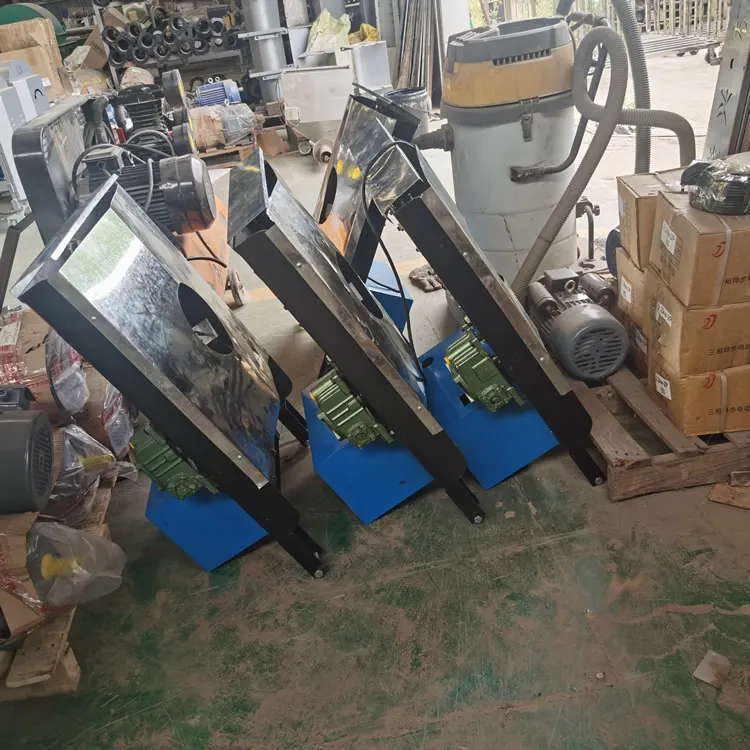
Mushroom Stick Hole Punching Machine HPMXH1200A
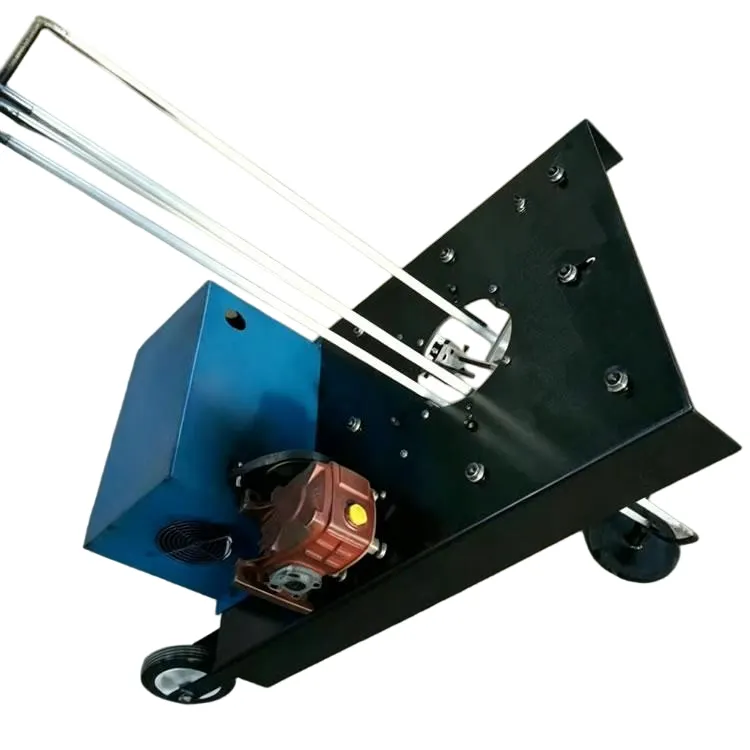
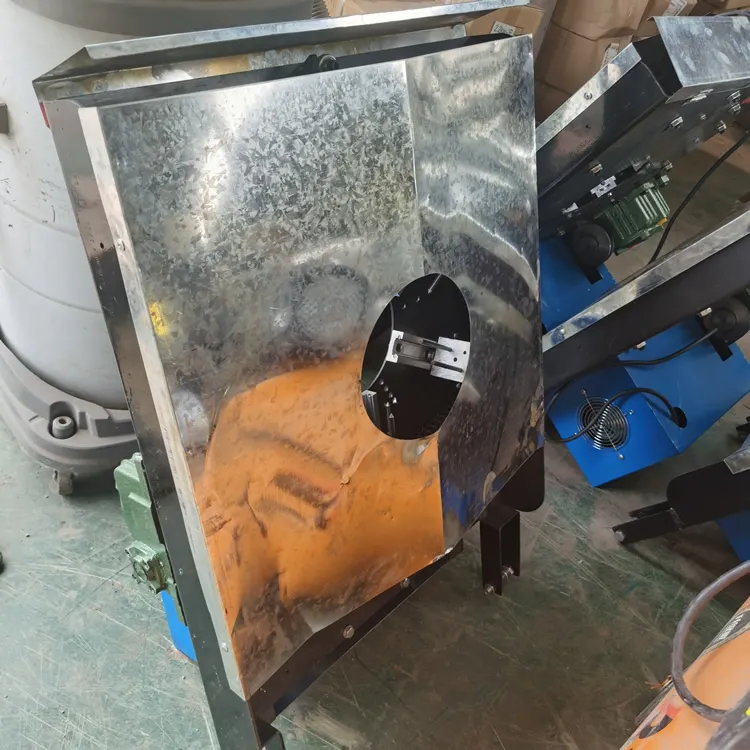
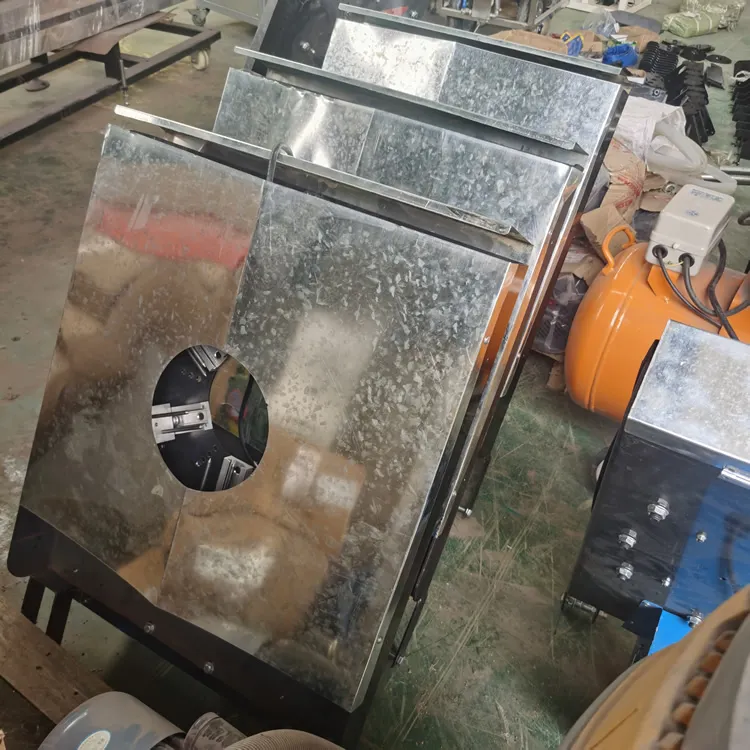
The HPMXH1200A Mushroom Stick Hole Punching Machine is an adjustable mechanical hole-punching machine for mushroom cultivation bags, using a configurable 4–18 needle array to create evenly distributed ventilation holes at a working capacity of 900–1200 bags per hour, helping standardize the aeration process for commercial mushroom production.
Key Specifications
|
Specification |
HPMXH1200A |
|
Product Type |
Mushroom Stick Hole Punching Machine |
|
Model |
HPMXH1200A |
|
Machine Size |
650 × 300 × 1070 mm |
|
Weight |
75 kg |
|
Number of Needles |
4–18 adjustable needles |
|
Compatible Mushroom Bags |
15–22 mushroom bags |
|
Capacity |
900–1200 bags/h |
|
Motor Power |
1.5 kW |
|
Voltage |
220 V |
|
Motor Speed |
1400 rpm |
|
Working Method |
Mechanical needle-array punching |
|
Main Application |
Ventilation Hole Punching for Mushroom Bags |
Working Principle
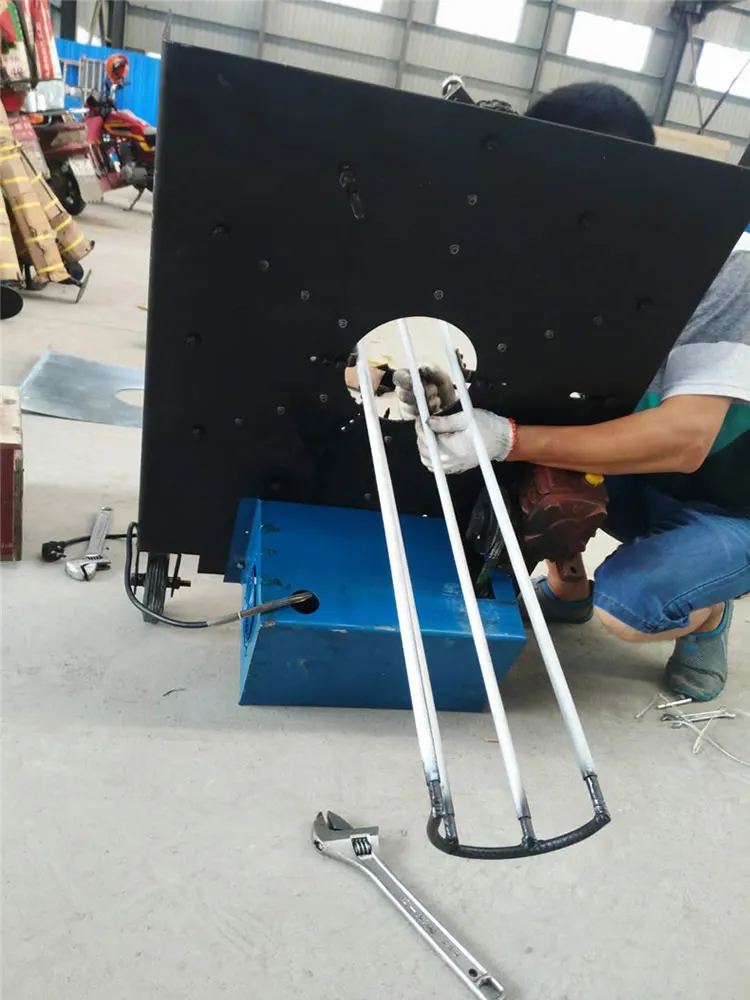
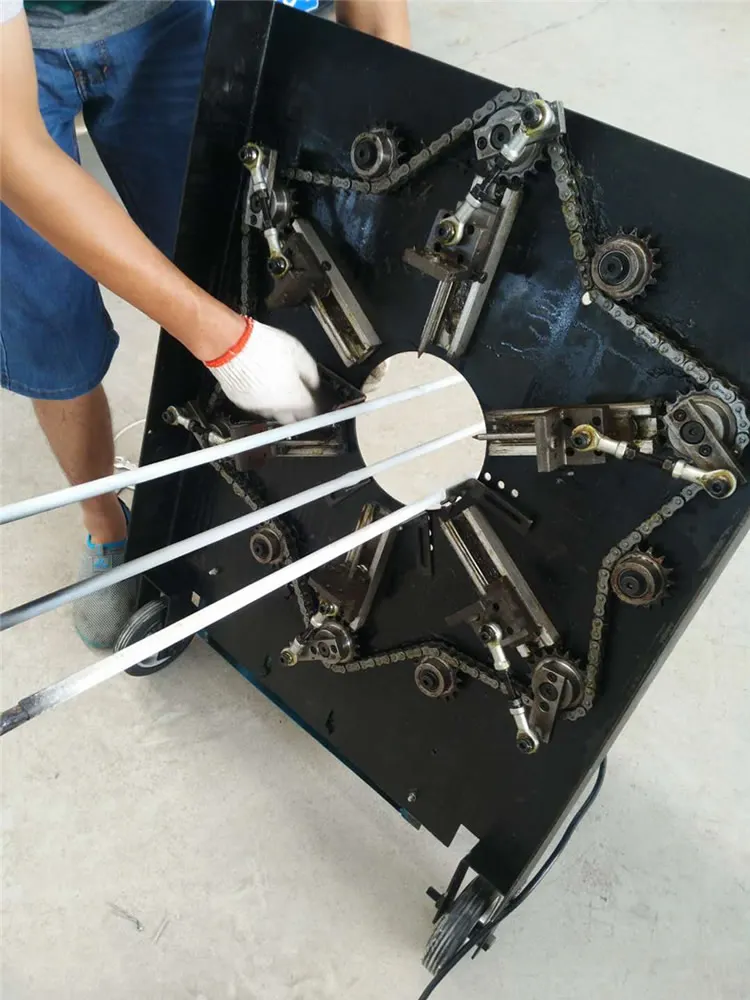
The HPMXH1200A uses a mechanical transmission system to drive a set of needles and create ventilation holes in the surface of cultivated mushroom bags.
Position the Mushroom Bags
The mushroom bags are placed into the machine’s working position. The machine is designed for 15–22 mushroom bags, according to the applicable bag configuration.
Configure the Needle Array
The machine supports 4–18 needles, allowing the needle configuration to be adjusted according to the customer’s mushroom bag and cultivation requirements.
Mechanical Drive
The 1.5 kW, 220 V, 1400 rpm motor drives the mechanical transmission system. The transmission mechanism converts the motor’s rotary motion into the required needle movement.
Punch Ventilation Holes
The needle array penetrates the surface of the mushroom bags according to the machine’s working configuration. Multiple holes can therefore be produced in a consistent mechanical operation rather than being made individually by hand.
Remove and Transfer the Bags
After punching, the bags can be removed and transferred to the next cultivation stage, such as incubation, fruiting-room management, or another designated processing area.
The mechanical punching process provides greater consistency than manual needle punching and is particularly useful when a mushroom farm needs to process a large number of cultivation bags.
Suitable Materials and Mushroom Species
Sawdust
Wood chips
Corn cob-based substrate
Wheat or rice straw
Cottonseed hulls
Other prepared agricultural or wood-based mushroom substrates
The machine is particularly suitable for bag-grown mushrooms that require controlled ventilation holes, especially:
Shiitake mushroom
Oyster mushroom
Wood ear mushroom
Black fungus
King oyster mushroom
Other compatible edible mushrooms cultivated in bags
Capacity / Production Scale & Automation Level
The HPMXH1200A has a rated working efficiency of approximately 900–1200 mushroom bags per hour, making it suitable for commercial mushroom farms and factory-scale cultivation operations.
Its 4–18 adjustable needle configuration allows the machine to accommodate different punching requirements rather than using a single fixed needle arrangement.
Automation Level
The machine is a mechanized hole-punching system. The needle movement and punching operation are driven by the motor and mechanical transmission system, reducing the amount of repetitive manual punching work required.
Compared with manual hole punching, the supplied product information indicates that automated operation can provide more than 10 times the efficiency, while helping maintain more consistent hole spacing and depth.
Actual throughput can vary according to:
- Mushroom bag dimensions
- Number of needles used
- Hole pattern
- Operator loading and unloading speed
- Cultivation requirements
For a commercial production line, the machine can be positioned as a dedicated ventilation-hole processing unit between bag preparation and subsequent mushroom cultivation stages.
Integration with Mushroom Production Equipment
Upstream Equipment Connection
Upstream Equipment
The machine can work with:
- Mushroom Substrate Mixer– prepares uniform cultivation media.
- Mushroom Bagging Machine– fills cultivation bags with substrate.
- Sterilizer / Autoclave– sterilizes filled bags.
- Inoculation Machine– introduces mushroom spawn.
- Incubation Racks– organize mushroom bags during colonization.
- Belt Conveyor – transfers mushroom bags between processing areas.
Downstream Equipment
After hole punching, mushroom bags can be transferred to:
- Fruiting Racks
- Fruiting Rooms
- Container Growing Rooms
- HVAC Systems
- Ultrasonic Humidifiers
- Mushroom Cultivation Conveyors
Service & FAQ
Installation & Service
For commercial mushroom production projects, technical support can be provided according to project requirements.
Guidance can cover machine positioning, electrical connection, needle-array installation, initial adjustment, and test operation.
Operators can receive guidance on:
- Correct mushroom bag positioning
- Needle configuration
- Basic operating procedures
- Routine cleaning
- Needle replacement
- Safe machine operation
Replacement needles and other applicable mechanical components can be supplied according to the machine configuration and operating requirements.
Technical assistance can be provided for equipment setup, operating-parameter adjustment, routine maintenance, and troubleshooting.
For commercial customers, after-sales technical support can be arranged according to the equipment configuration and project requirements.
FAQ
The rated working efficiency is approximately 900–1200 bags per hour. Actual throughput depends on bag size, needle configuration, hole pattern, and operator loading/unloading speed.
The machine supports 4–18 adjustable needles, allowing the configuration to be adapted to different mushroom bag and ventilation requirements.
The supplied specification indicates compatibility with 15–22 mushroom bags. The exact configuration should be confirmed according to the customer’s bag dimensions and cultivation method before ordering.
The standard machine supports 4–18 adjustable needles. For a specific bag size or hole arrangement, customers should provide their bag dimensions and required punching pattern so the configuration can be confirmed before production.