










Mushroom Grow Bags
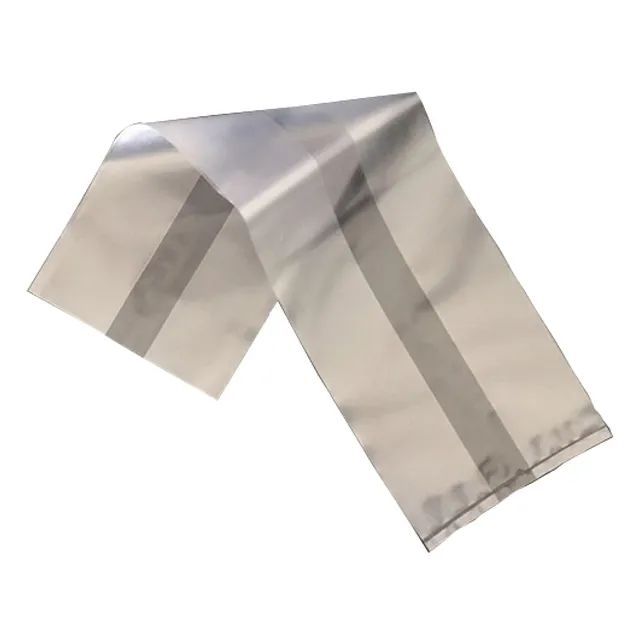
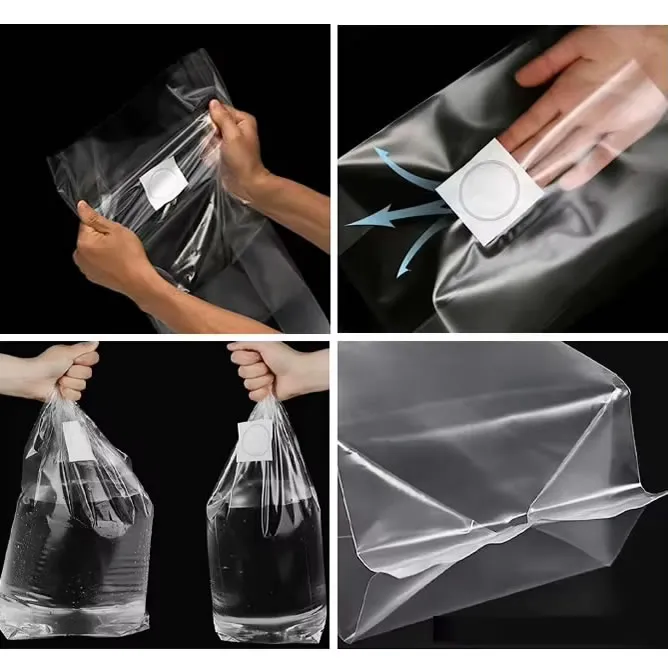
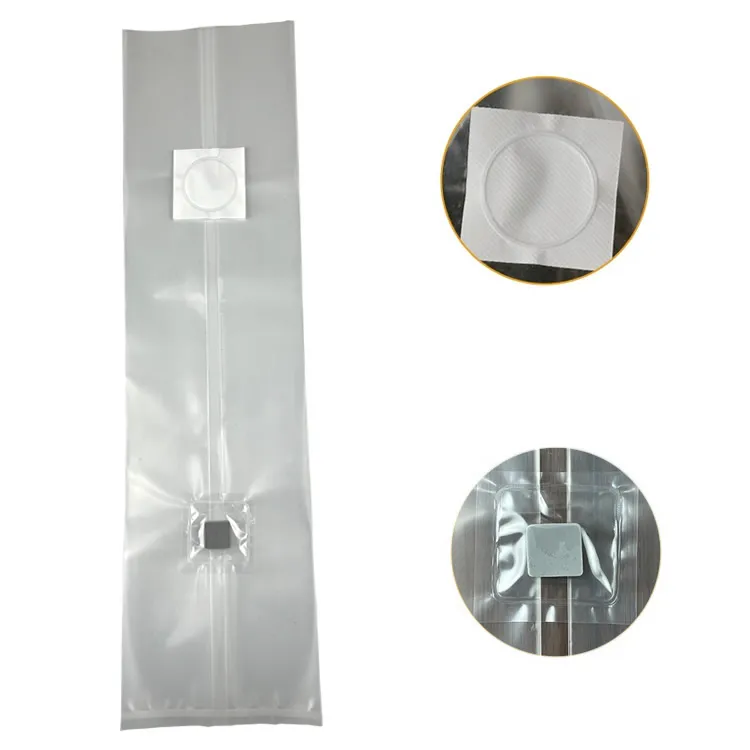
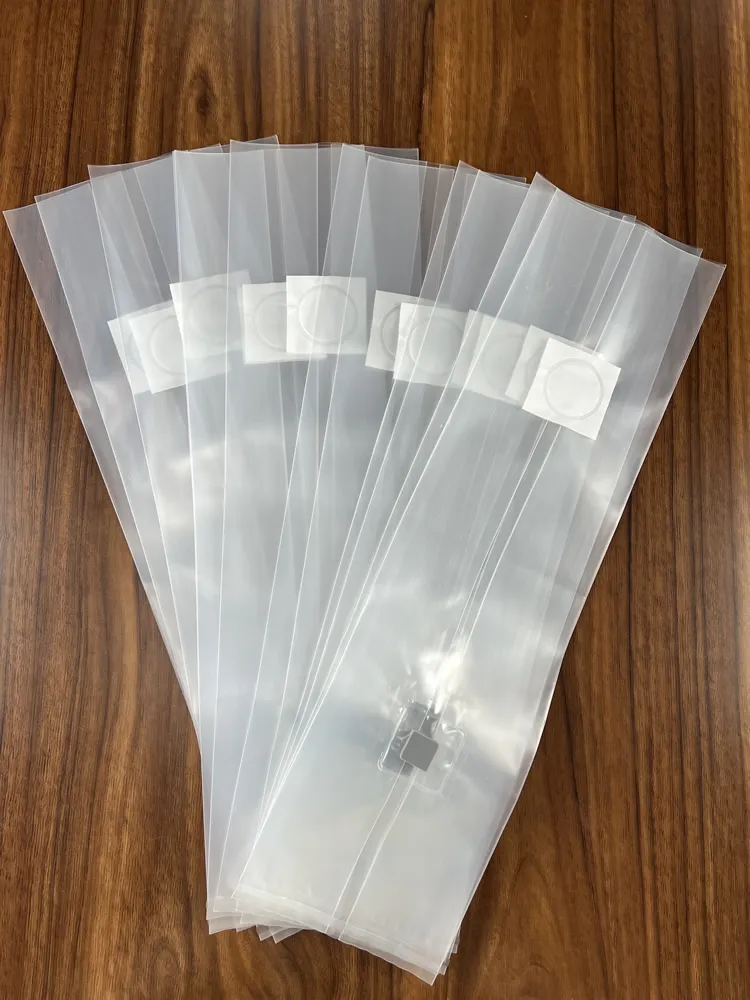
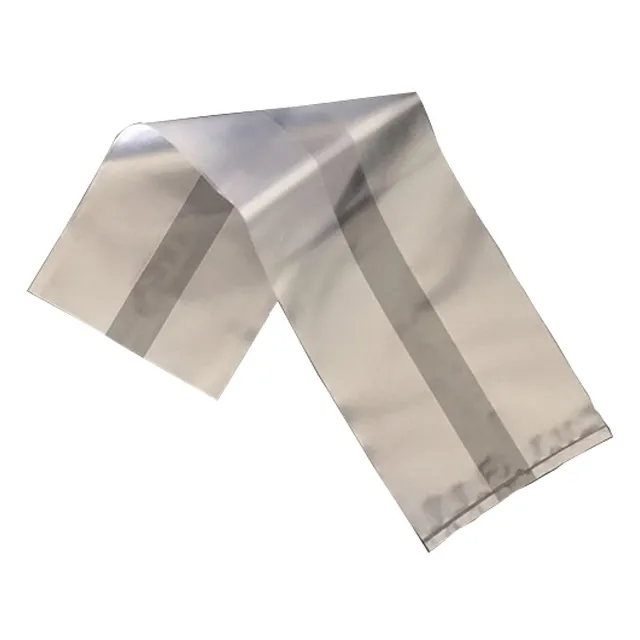
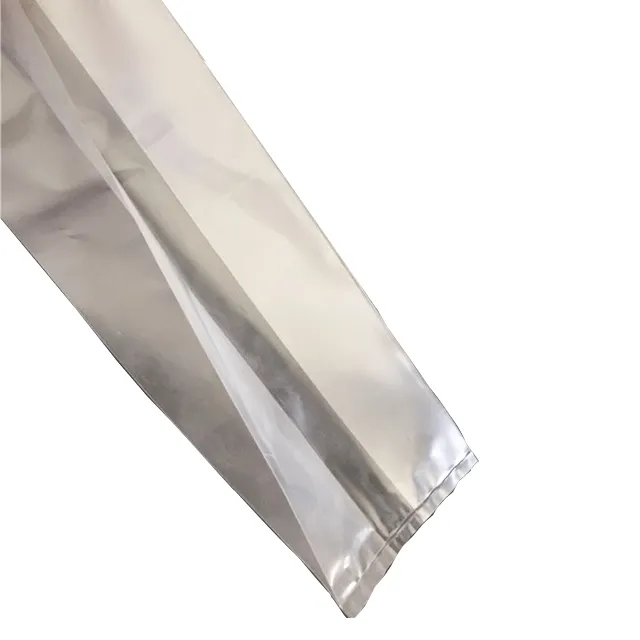
Mushroom Grow Bags are specialized cultivation containers made from plastic films such as polyethylene (PE) and polypropylene (PP), designed to hold mushroom substrate during sterilization, inoculation, incubation, and fruiting while providing practical solutions for hygienic handling, efficient cultivation, and large-scale mushroom production.
Key Specifications
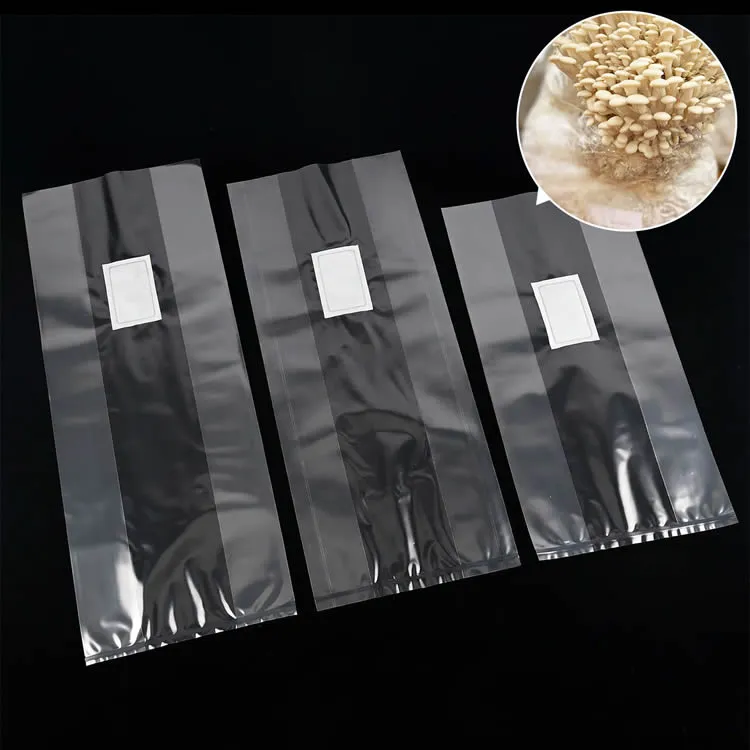
The mushroom grow bags are available in three main configurations. Standard dimensions are listed below, while different sizes, film thicknesses, and bag configurations can be customized according to mushroom species, substrate volume, cultivation method, and customer requirements.
|
Model |
Product Type |
Standard Size |
Thickness |
Filter / Port |
|
MBXH35A |
Standard Mushroom Bag |
18 × 35 × 5 cm |
Customizable |
Standard bag |
|
BBXH50A |
Breathable / Gas-Permeable Bag |
13 × 12 × 50 cm |
0.08 mm |
0.2 / 0.5 μm filter |
|
IBXH50A |
Self-Healing Injection Port Spawn Bag |
13 × 12 × 50 cm |
0.08 mm |
0.2 / 0.5 μm filter + injection port |
Available Customization
The bags can be supplied in different configurations according to the cultivation process, including:
- Different bag dimensions and capacities
- Different film thicknesses
- Different filter specifications
- Breathable filter patches or filter elements
- Self-healing injection ports
- Customized bag openings and configurations
- Customized packaging quantities
The dimensions listed above are standard reference sizes rather than fixed specifications.
Product Description
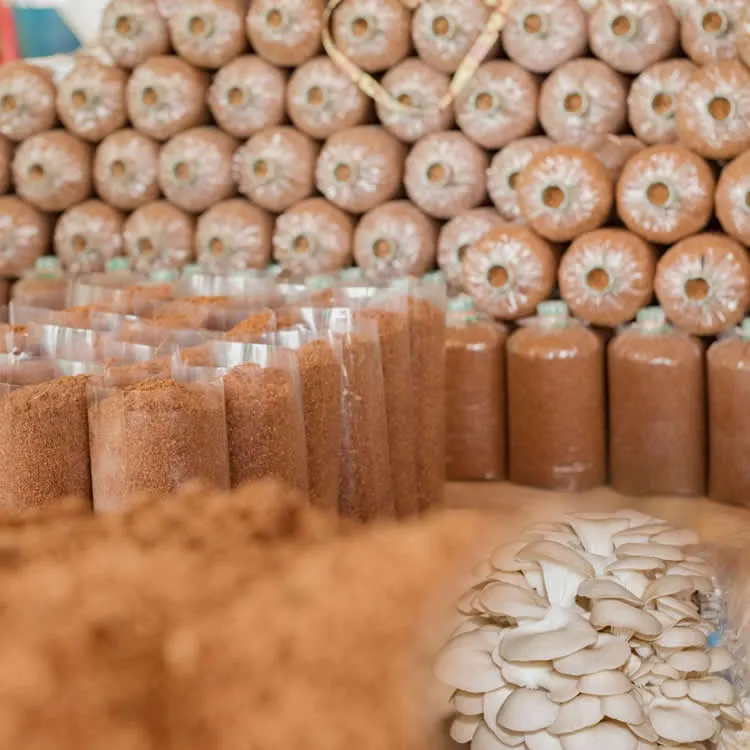
Mushroom grow bags are an important consumable in modern substrate-based mushroom cultivation. Instead of growing mushrooms directly in soil or traditional growing beds, the substrate is prepared, filled into a cultivation bag, sterilized or pasteurized as required, inoculated with the selected mushroom strain, and then incubated under controlled conditions.
The bag provides a practical physical container for the substrate throughout much of the cultivation cycle. It helps maintain the shape of the substrate block, simplifies handling and transportation, and supports efficient use of space in commercial mushroom farms.
The three configurations serve different cultivation requirements.
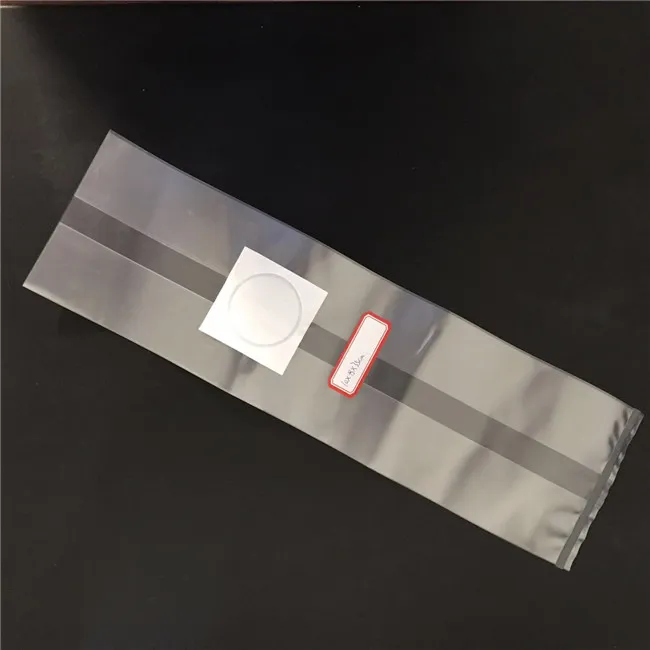
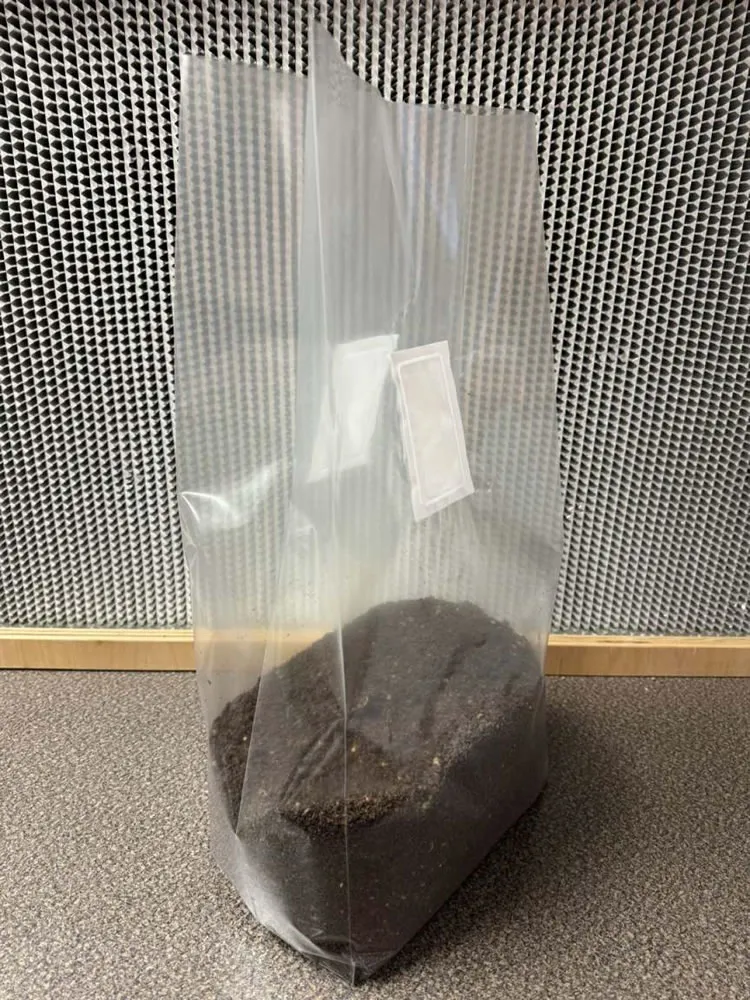
MBXH35A Standard Mushroom Bag is a general-purpose cultivation bag suitable for conventional substrate cultivation. It can be used with a variety of mushroom species and is particularly suitable for production systems where the substrate is filled, sterilized, inoculated, and cultivated inside the bag.
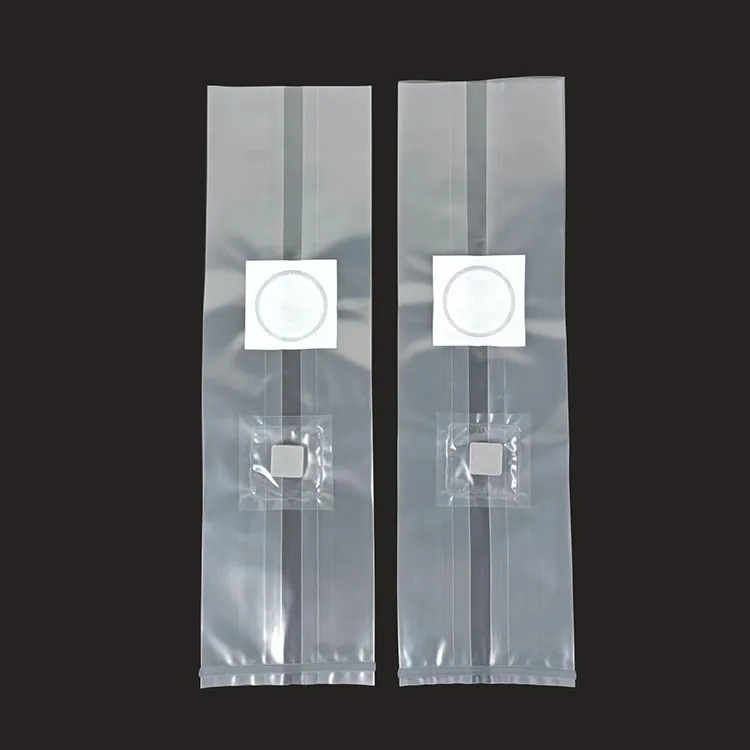
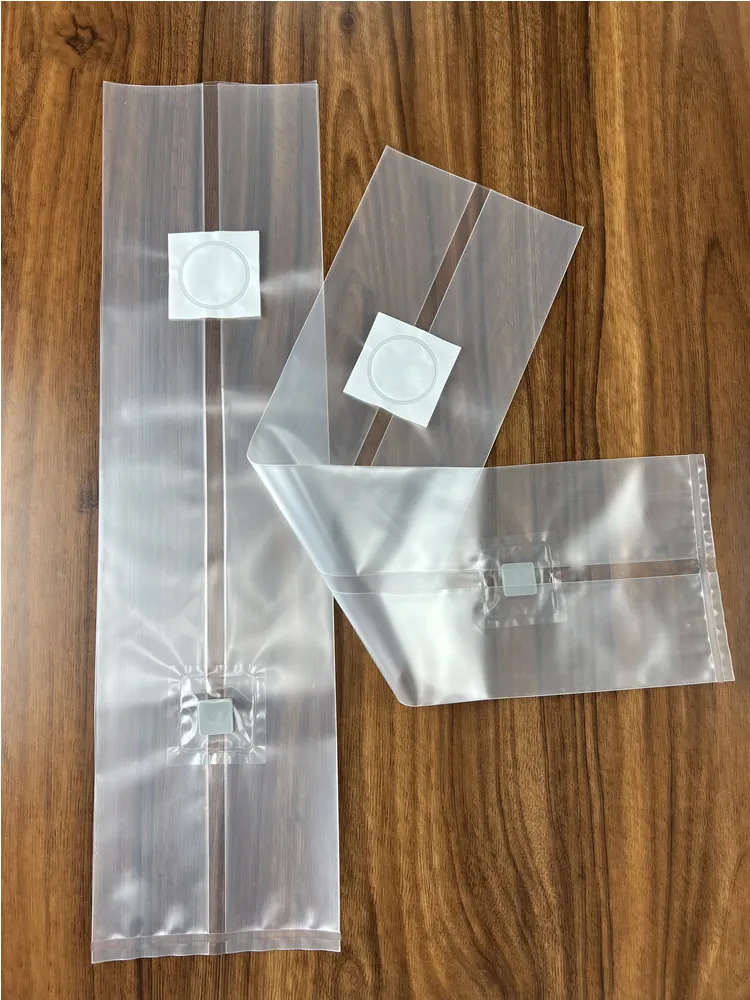
BBXH50A Breathable / Gas-Permeable Bag incorporates a filter with a standard pore specification of 0.2 or 0.5 μm. The filter allows controlled gas exchange while helping reduce the risk of contamination entering the cultivation environment. This makes the bag suitable for cultivation processes where oxygen and carbon dioxide exchange is important during mycelial growth.
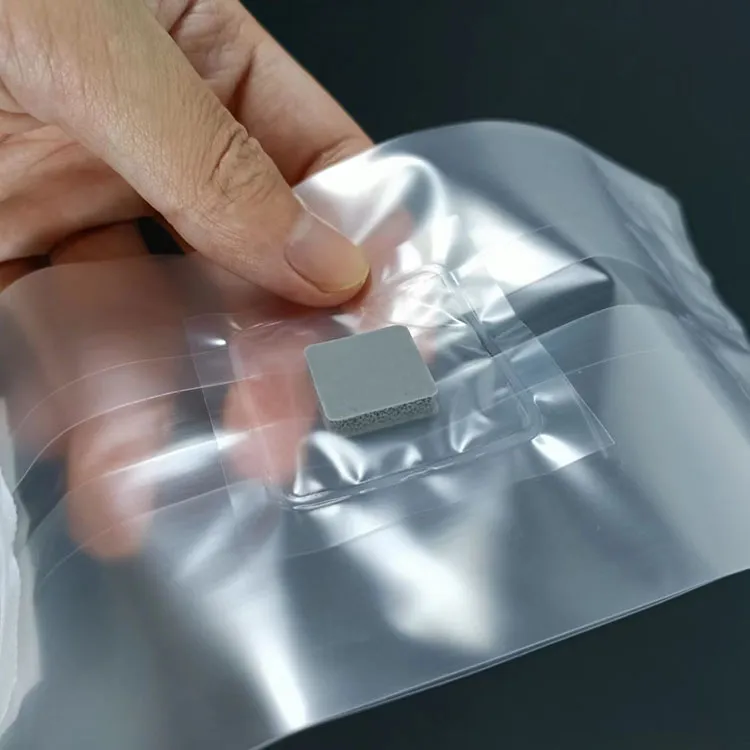
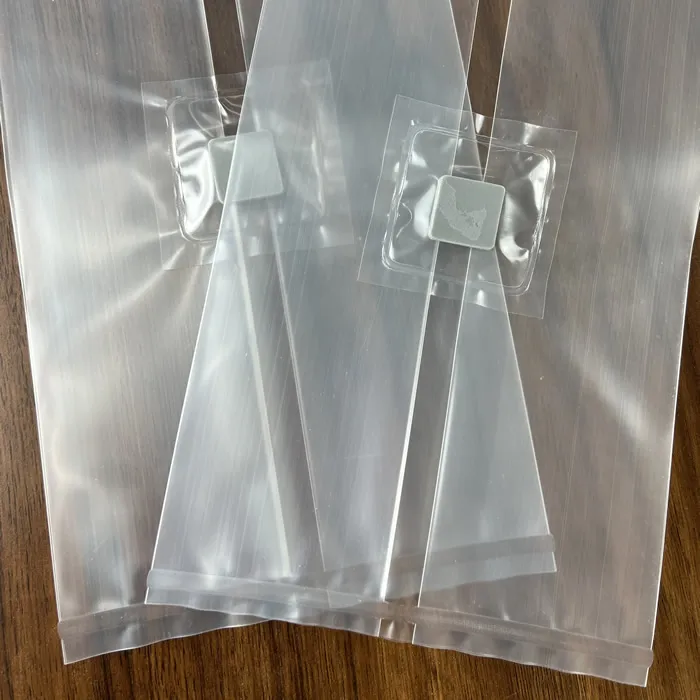
IBXH50A Self-Healing Injection Port Spawn Bag combines a breathable filter with an injection port. The port provides a practical access point for liquid spawn or other inoculation procedures while helping maintain the closed cultivation environment after injection.
Together, these bag types cover conventional substrate cultivation, gas-exchange cultivation, and injection-based inoculation applications.
Working Principle
The cultivation process using mushroom grow bags generally follows these steps:
Substrate Preparation
Raw materials such as sawdust, agricultural residues, cottonseed hulls, wheat bran, or other suitable substrate components are mixed with water and other formulation ingredients according to the mushroom species.
A Substrate Mixer can be used to achieve more consistent mixing and moisture distribution.
Bag Filling
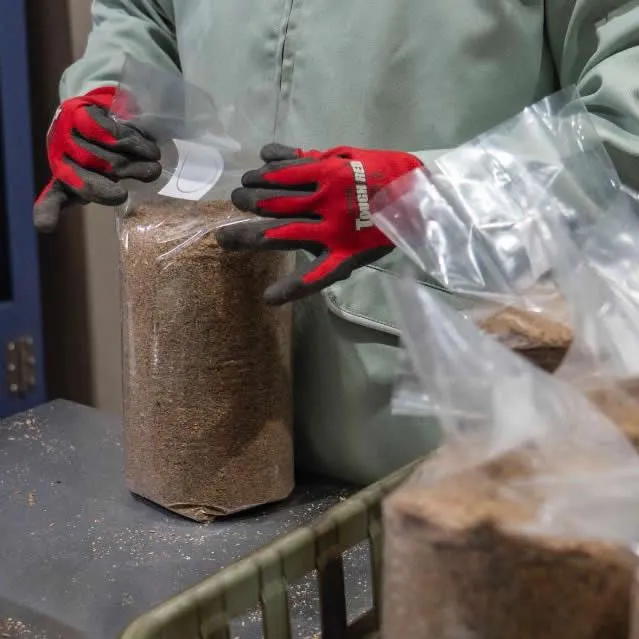
The prepared substrate is filled into the selected mushroom grow bag.
Depending on production scale, filling can be performed manually or with a Mushroom Bagging Machine to improve filling consistency and production efficiency.
Sterilization or Pasteurization
The filled bags are processed using the appropriate sterilization method for the cultivation system.
For steam sterilization, the bags can be loaded onto a Sterilization Rack / Sterilization Trolley and transferred into a mushroom sterilizer.
The exact sterilization process should be determined according to the substrate formulation, bag material, bag size, and cultivation method.
Cooling
After sterilization, the substrate bags must be sufficiently cooled before inoculation to avoid damaging the mushroom spawn.
Inoculation
Once the substrate is fully colonized and the required cultivation conditions are reached, the bags can be opened, modified, or otherwise prepared for fruiting according to the mushroom species and cultivation method.
Incubation
The inoculated bags are transferred to an incubation area where temperature, humidity, ventilation, and other environmental conditions are controlled according to the mushroom species.
During this stage, the mushroom mycelium gradually colonizes the substrate.
Fruiting
Mushroom spawn is introduced into the prepared channel.
The defined channel can provide a direct route for the spawn to establish contact with the surrounding substrate.
Suitable Raw Materials and Mushroom Types
Mushroom grow bags can be used with a wide range of substrate formulations, including:
- Sawdust
- Wood chips
- Cottonseed hulls
- Wheat bran
- Corn-based agricultural residues
- Other suitable lignocellulosic materials
- Formulated mushroom cultivation substrates
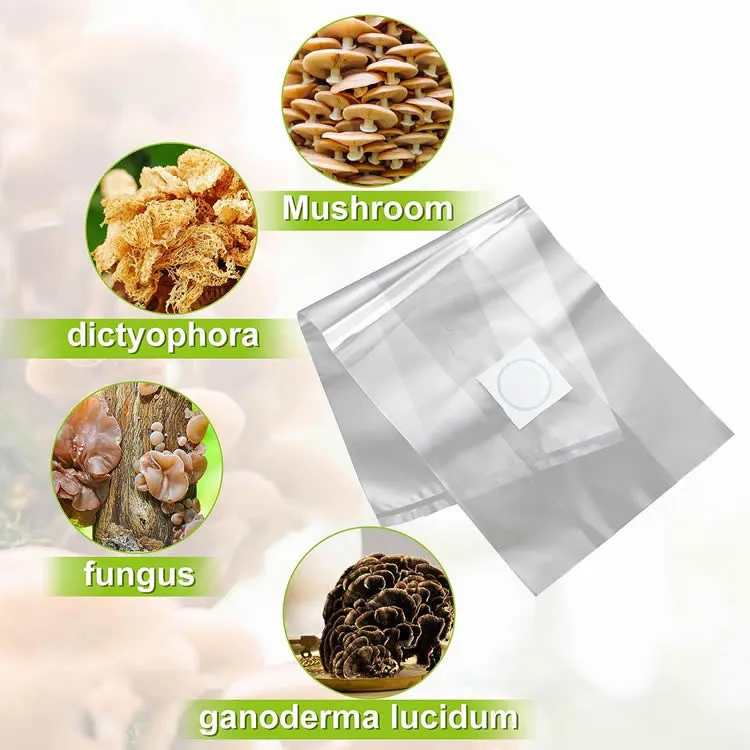
They are suitable for many edible mushroom species, including:
- Oyster mushroom
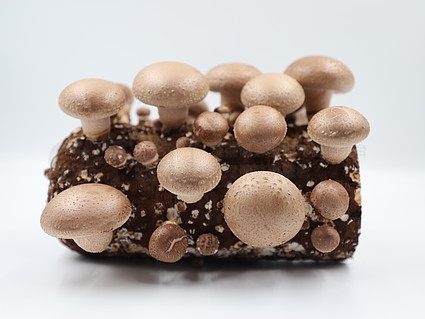
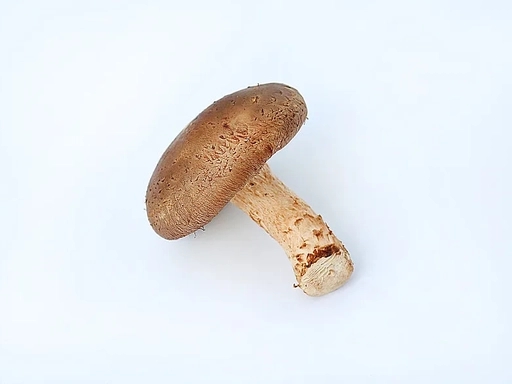
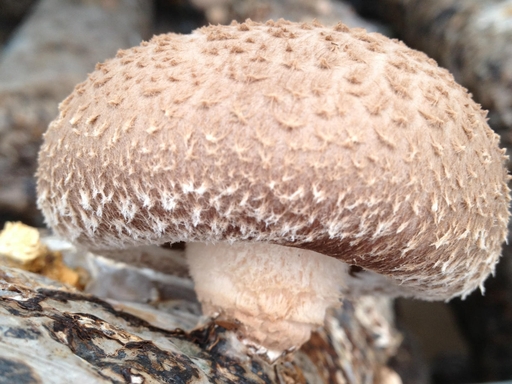
- Shiitake mushroom
- Enoki mushroom
- Wood ear mushroom
- Silver ear mushroom
- King oyster mushroom
- Other bag-cultivated edible mushrooms
The recommended bag material, dimensions, thickness, filter configuration, and capacity should be selected according to the mushroom species and cultivation process.
Capacity / Production Scale
Mushroom grow bags are consumable cultivation products rather than machines with a fixed hourly production capacity. Their production application can range from small-scale mushroom farms to high-volume commercial cultivation facilities.
For commercial operations, bag consumption is generally determined by:
- Number of cultivation bags produced per day
- Substrate volume per bag
- Mushroom species
- Cultivation cycle
- Required production output
- Bag filling and inoculation method
For higher-volume production, the bags can be integrated with automatic or semi-automatic substrate filling, sealing, sterilization, inoculation, and material handling equipment.
Automation Level
The bags themselves are passive cultivation consumables, so they do not have an automation level like processing machinery.
However, they can be used within manual, semi-automatic, or highly automated mushroom production lines.
For example:
Substrate Preparation → Automatic Bag Filling → Sterilization → Cooling → Automatic Inoculation → Incubation → Fruiting → Harvesting
Using standardized bag dimensions and configurations can make the bags easier to integrate with automated bagging, inoculation, sterilization, and handling equipment.
Integration with Mushroom Production Line
Upstream Equipment
The bags can be integrated with:
- Sawdust Crusher– prepares suitable wood-based substrate materials
- Substrate Mixer– mixes substrate ingredients and distributes moisture evenly
- Mushroom Bagging Machine– fills prepared substrate into cultivation bags
- Bag Sealing / Tying Equipment– closes the bags when required
- Sterilization Rack / Trolley– transports filled bags for sterilization
- Mushroom Sterilizer– sterilizes the filled substrate
Downstream Equipment
After sterilization and cooling, the bags can be used with:
- Mushroom Inoculator
- Incubation / Mushroom Grow Racks
- Environmental Control / HVAC Equipment
- Humidification Systems
- Fruiting Room Equipment
- Mushroom Harvesting and Processing Equipment
This makes the grow bag a key consumable connecting substrate preparation with the subsequent inoculation, incubation, and fruiting stages.
Service & FAQ
Installation & Service
As a consumable product, mushroom grow bags do not require mechanical installation or commissioning. However, professional technical support can be provided for selecting the appropriate bag configuration for a mushroom cultivation project.
Product Selection Support
Technical guidance can cover:
- Bag dimensions
- Film thickness
- Filter specifications
- Injection-port configuration
- Mushroom species compatibility
- Substrate volume
- Compatibility with automatic bagging equipment
Equipment Compatibility
For customers purchasing automated mushroom production equipment, bag dimensions and opening configurations can be coordinated with the selected Mushroom Bagging Machine and inoculation equipment.
Technical Support
Support can be provided for bag selection, application guidance, storage recommendations, and matching the bags with the customer’s cultivation process.
Customization
Different dimensions, thicknesses, filter configurations, and bag designs can be discussed according to the customer’s substrate formulation and production requirements.
FAQ
Both can include a breathable filter. The IBXH50A additionally incorporates a self-healing injection port, providing a dedicated access point for suitable inoculation procedures without requiring the entire bag to be opened.
Yes. The listed dimensions are standard reference sizes. Different bag dimensions, thicknesses, filter specifications, and configurations can be customized according to the mushroom species, substrate volume, cultivation method, and equipment requirements.
The bags can be used for many substrate-grown edible mushrooms, including oyster mushrooms, shiitake, enoki, wood ear, silver ear, king oyster, and other suitable species. The appropriate bag configuration should be selected according to the cultivation process.
The appropriate bag material and specification should be selected according to the sterilization method, temperature, duration, and equipment used. For commercial production, bag compatibility should be confirmed before placing an order.
For an accurate quotation, buyers should provide the mushroom species, substrate type, approximate substrate weight or volume per bag, required bag dimensions, preferred bag type, estimated monthly or annual quantity, filter requirements, and whether the bags will be used with automatic filling or inoculation equipment.