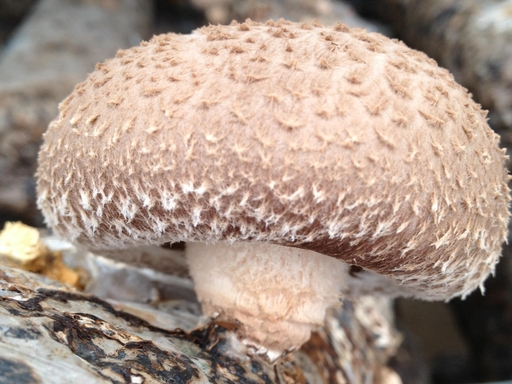











Shiitake Mushroom Growth Stages: Spawn Run, Browning, Fruiting, and Harvest
Commercial shiitake mushroom cultivation on sawdust requires precise management of the distinct biological phases that govern mycelial development and fruiting body formation. Unlike white button mushrooms, growing shiitake mushrooms in bags involves a unique developmental milestone known as browning, which transforms the vegetative mycelium into a resilient, productive block. Understanding these sequential growth phases enables production supervisors and farm operators to optimize environmental controls, minimize contamination risks, and maximize biological efficiency across every production cycle.
What Are the Main Shiitake Mushroom Growth Stages?
The lifecycle of commercially cultivated Lentinula edodes spans several distinct physiological phases, moving from initial inoculation through vegetative colonization, maturation, fruiting, and harvest. Each phase demands strict adherence to specific temperature, humidity, ventilation, and lighting parameters to transition the culture successfully from one stage to the next.
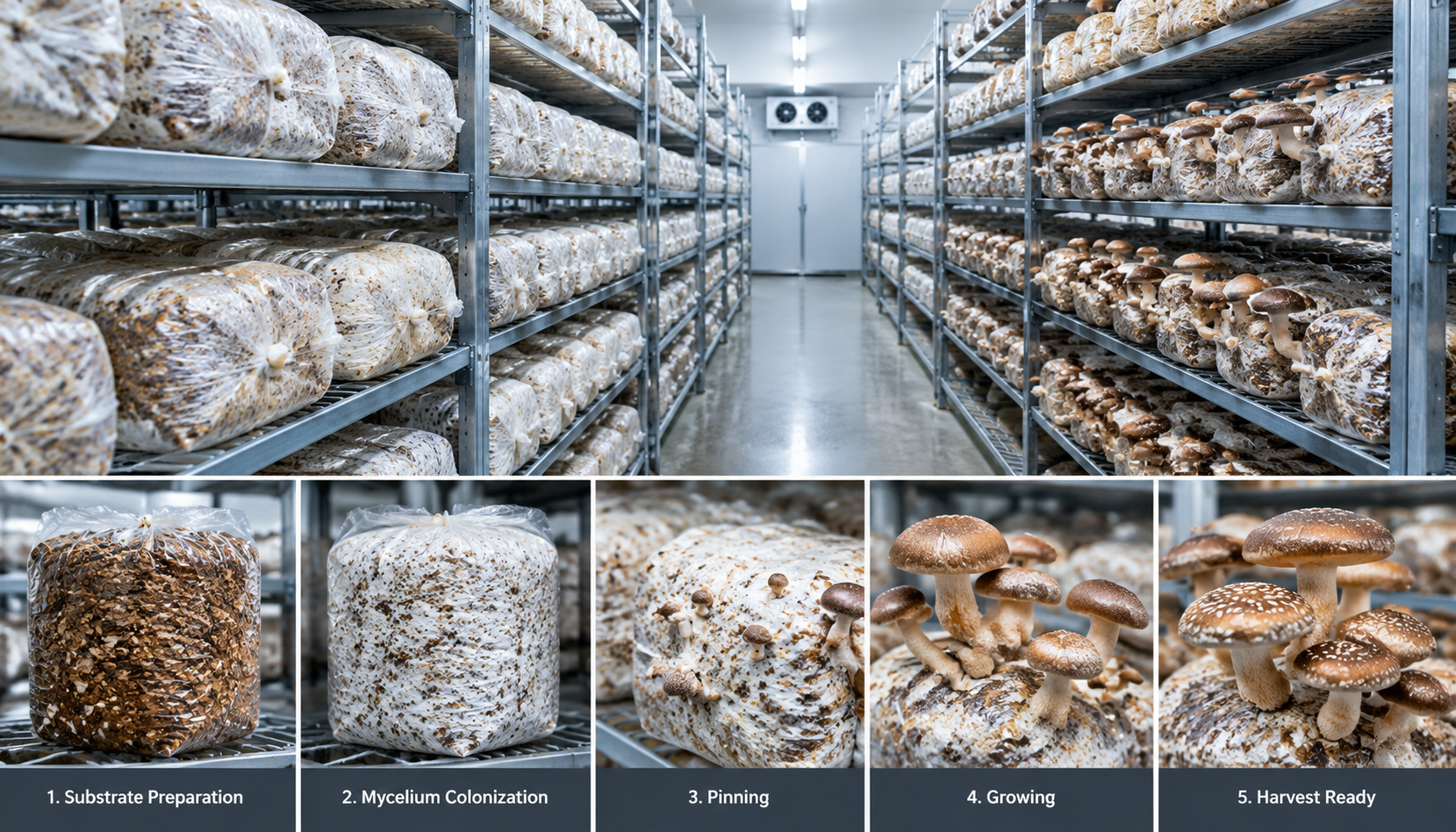
Spawn Run: Colonization and Monitoring
The spawn run initiates immediately after shiitake inoculation, during which the selected grain spawn colonizes the sterilized sawdust substrate. During this vegetative phase, mycelium permeates the substrate matrix, breaking down lignin and cellulose.
During active colonization, ambient room temperature should be maintained between 22°C and 25°C, while internal substrate temperatures must not exceed 28°C to prevent thermal death of the mycelium. Relative humidity in the incubation room should stay around 60% to 70%, and CO2 levels will naturally rise as the organism respires. Production supervisors must monitor bag integrity and check for any signs of bacterial or Trichoderma contamination during the initial 30 to 60 days, depending on bag size, substrate density, and strain vigor.
Browning: Purpose and Environmental Conditions
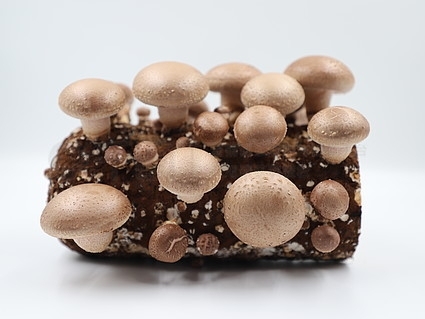
Browning serves as the primary differentiator and critical quality checkpoint in shiitake cultivation. As the mycelial mass fully colonizes the substrate, it shifts from white and fluffy to a dense, tan-to-dark-brown protective layer often referred to as a "skin" or cortex.
This browning process is triggered by exposing fully colonized blocks to diffuse light (500 to 1,000 lux) and higher oxygen exchange, accompanied by controlled drying of the outer bag surface. The development of this melanin-rich outer layer is vital: it protects the inner substrate from moisture loss, deters competing molds, and provides the structural integrity necessary for pinhead formation. Blocks that fail to brown adequately typically produce low yields or soft, deformed mushrooms.
Primordia Induction and Fruiting
Once the browning phase covers at least 70% to 90% of the block surface, the production system transitions to shiitake fruiting conditions. Primordia (pinheads) induction requires a combination of environmental triggers, including a drop in temperature to 12°C–18°C, increased fresh air exchange to keep CO2 below 1,000 ppm, and relative humidity elevated to 85%–95%.
In commercial bag cultivation, growers either remove the plastic film entirely or make precise incisions in the browning skin to allow primordia to emerge. Mechanical or thermal shock—such as cold-water soaking or gentle vibration—is frequently applied to synchronize pinhead development across large batches of substrate blocks.
Harvest Readiness and Flush Management
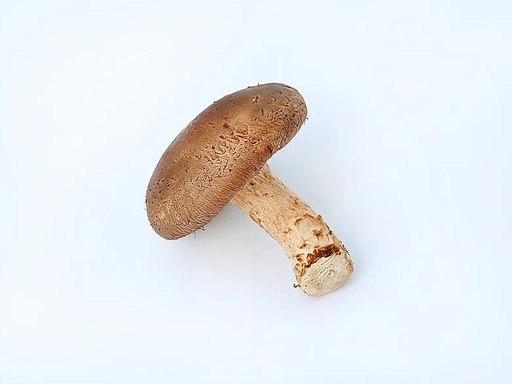
Harvest readiness is determined by cap margin morphology. Commercial growers target the stage just before the protective veil beneath the cap completely tears away, typically when the cap is 70% to 90% expanded and the margin remains slightly curved downward. Harvesting at this exact window ensures optimal shelf life, firm texture, and maximum market weight.
After the first flush is harvested, blocks enter a recovery or resting phase. Spent blocks are rehydrated through soaking or automated watering systems, resting for 10 to 14 days under reduced humidity before temperature and lighting cues initiate the next production wave.
Stage-by-Stage Summary Table
| Growth Stage | Core Purpose | Environmental Conditions | Readiness Indicators |
|---|---|---|---|
| Spawn Run | Substrate colonization & mycelial mass buildup | 22°C–25°C; 60%–70% RH; High CO2 | Substrate completely opaque and white throughout |
| Browning | Develop protective melanin cortex & structural skin | 18°C–22°C; Diffuse light (500–1000 lux); Higher FAE | 70%–90% surface turns tan or dark brown |
| Primordia Induction | Trigger pinhead formation and transition to fruiting | 12°C–18°C; 85%–95% RH; CO2 < 1000 ppm | Emergence of tight, dense knotting on block surface |
| Harvest & Flush | Yield extraction & block re-equilibration | 14°C–20°C; 80%–90% RH; Regular FAE | Caps 70%–90% open with margins still slightly curled |
Frequently Asked Questions About Shiitake Cultivation
Why is browning critical for shiitake mushroom yields?
Browning creates a protective skin that retains internal substrate moisture and prevents premature drying while defending the mycelium against bacterial and mold contamination during the high-humidity fruiting phase.
How long does the spawn run take for sawdust blocks?
Depending on the specific strain, bag size, and nutrient supplementation rate, the complete spawn run typically ranges from 45 to 75 days.
What equipment is needed to optimize environmental control across these stages?
Commercial operations utilize automated climate control systems, precise HVAC units, and specialized misting apparatuses to manage temperature, humidity, and fresh-air exchange seamlessly across incubation and fruiting rooms. For farms scaling up production, integrating automated systems from a comprehensive Shiitake Mushroom Growing Solution ensures batch consistency and labor efficiency.
If you have more questions, write to us
Recommend News
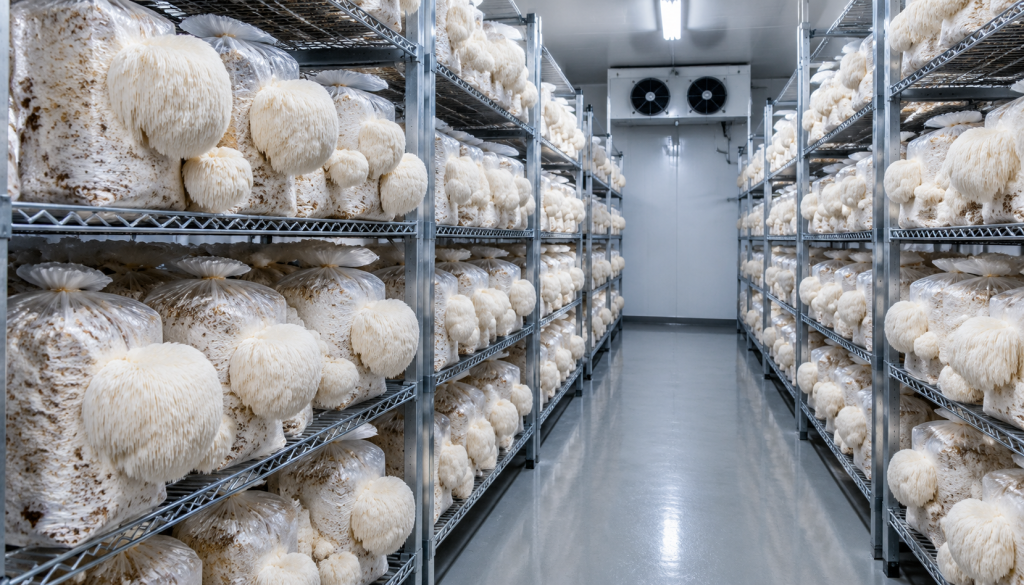
How to Grow Lion’s Mane Mushrooms: A Commercial Bag-Cultivation Guide
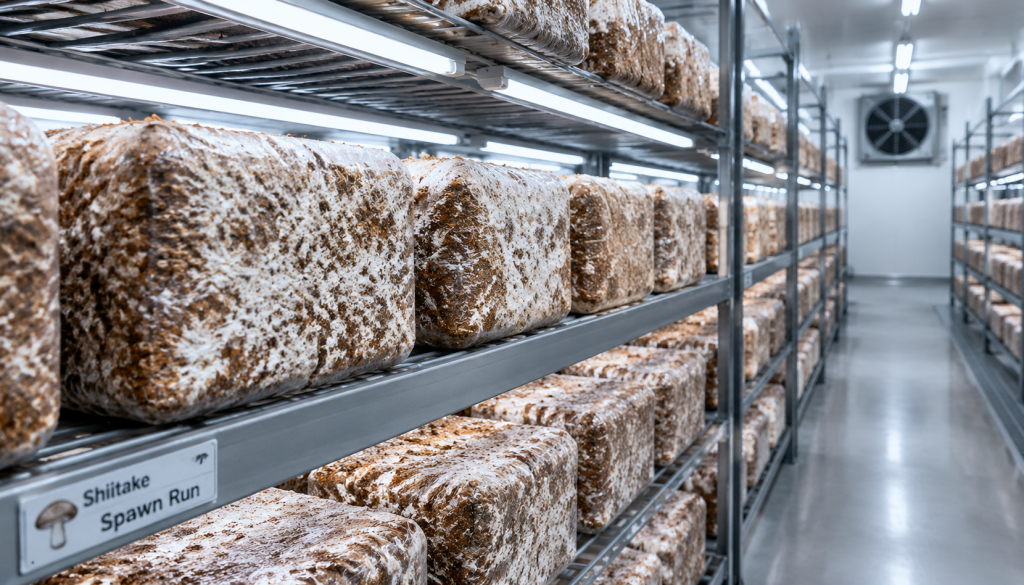
Best Substrate for Shiitake Mushrooms: Hardwood Sawdust, Supplements, and Bag Preparation
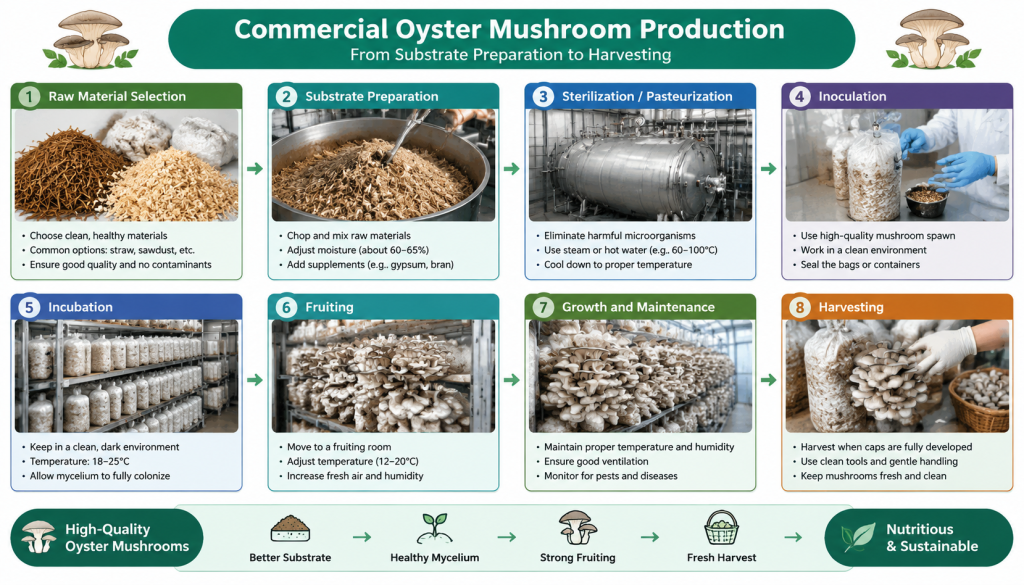
How to Grow Oyster Mushrooms Commercially: A Step-by-Step Production Guide
NTU Singapore Partners with Japanese Firm to Develop Fungal Fermentation Technology for High-value Upcycling of Okara
Agri-tech Empowers Specialty Farming: Indian Farmers Achieve Steady Income Growth Through the Edible-mushroom Industry
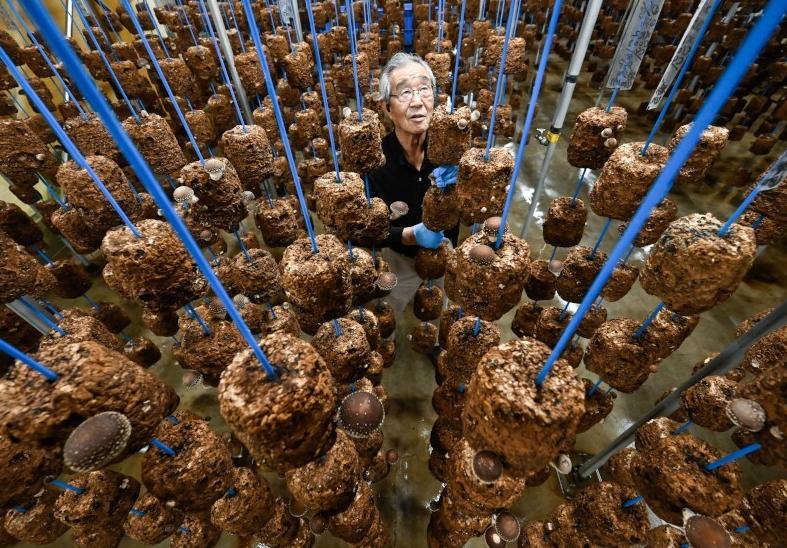
New Innovative Shiitake Cultivation Technology in Morioka, Japan Improves Quality and Production Efficiency
Shiitake Mushroom Spawn Run Guide
How to Preserve and Process Shiitake Mushrooms: A Practical Guide