











Mushroom Growing Solutions
Commercial Shiitake Mushroom Growing Solution
Shiitake (Lentinula edodes) is one of the world’s most economically valuable cultivated mushrooms, known for its distinctive flavor and functional properties. Our shiitake mushroom cultivation solutions are based on industrial bag cultivation technology, with a focus on substrate preparation, browning management, and controlled fruiting conditions.
From small farms to large-scale production facilities, equipment configurations can be tailored to production capacity, facility layout, and automation requirements.
Industrial Cultivation
Plan an Efficient Shiitake Mushroom Production System
Coordinated production stages and dedicated browning management help organize commercial shiitake cultivation.
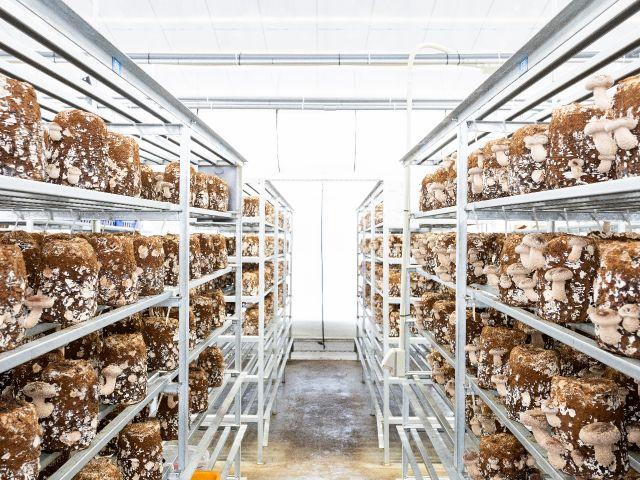
Commercial shiitake production requires a well-planned workflow covering substrate preparation, bag filling, sterilization, inoculation, incubation, browning, and fruiting. Each stage has its own environmental and operational requirements.
An integrated production system helps coordinate equipment capacity, material movement, and growing-room conditions. Facility planning should account for the space required at each stage, including incubation rooms, browning areas, fruiting rooms, and post-harvest processing.
Market & Benefits
Why Choose Shiitake Mushroom Cultivation?
Established cultivation technology, multiple harvests, and diverse processing options support a range of commercial shiitake production models.
Strong Demand for Fresh and Dried Shiitake
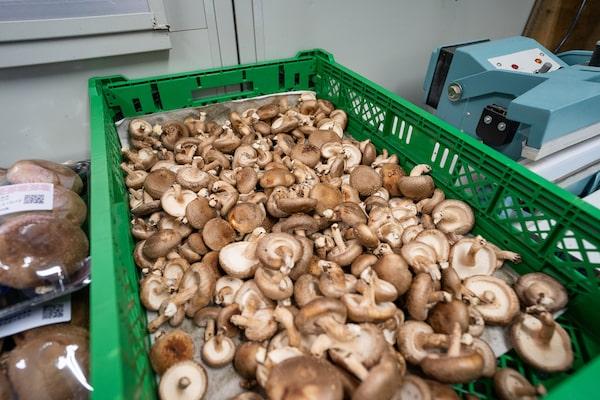
Shiitake mushrooms are widely recognized in Europe, the Americas, and East Asia. Both fresh and dried products serve established food markets, while drying and other processing methods create additional product formats.
Multiple Harvests from a Productive Shiitake Log
Under the production conditions described in this solution, each log can provide 3–4 flushes over a productive period of approximately 6–8 months. Appropriate cultivation management helps coordinate production across successive flushes.
Standardized Industrial Bag Cultivation
Industrial bag cultivation provides a structured approach to substrate preparation, inoculation, incubation, browning, and fruiting. Liquid spawn equipment and environmental control systems can be integrated into the production workflow.
Flexible Substrate Raw Materials
Hardwood sawdust is the primary substrate material in the described system. Other potential raw materials include corncob, cottonseed hull, and bagasse, depending on the selected formulation and available materials.
Cultivation Parameters
Shiitake Mushroom Cultivation Requirements
Substrate quality, bag specifications, browning conditions, and fruiting environments all influence shiitake cultivation.
Best Substrate for Shiitake Mushrooms
Hardwood sawdust from suitable broadleaf species is the main substrate material used in the described shiitake bag cultivation system. Wheat bran, rice bran, gypsum, and lime can also be included in the substrate formulation.
Corncob, cottonseed hull, and bagasse are additional raw materials identified for consideration. The final substrate mix should be selected according to the intended cultivation process and the characteristics of available raw materials.
Shiitake Grow Bags and Sawdust-Based Cultivation
The reference system uses PE bags measuring 18 × 38 cm with a thickness of 0.05 mm. These bags are used to form sawdust-based shiitake cultivation logs for incubation, browning, and subsequent fruiting.
Consistent raw material preparation, substrate mixing, bag filling, and sterilization help establish a uniform starting point for inoculation and mycelial growth.
Shiitake Mushroom Growing Conditions
|
Parameter |
Indicators |
Notes |
|---|---|---|
|
Substrate |
Broadleaf hardwood sawdust, wheat bran, rice bran, gypsum, and lime |
Wood species, particle size, and storage quality affect log performance |
|
Container |
PE bags, 18 × 38 cm, 0.05 mm |
Industrial shiitake log bags |
|
Moisture and pH |
Moisture 55–60%; pH 5.5–6.5 |
Slightly acidic conditions |
|
Temperature |
Incubation 24–26°C; browning 18–22°C; primordia 12–18°C; fruiting 15–22°C |
Temperature and light support browning and primordia formation |
|
Humidity |
Incubation 60–70%; browning 75–85%; primordia 85–90%; fruiting 80–85% |
Humidity varies by cultivation stage |
|
CO₂ |
Incubation 3,000–5,000 ppm; browning 1,500–2,500 ppm; fruiting 800–1,500 ppm |
Fresh-air exchange is important during fruiting |
|
Light |
Incubation in darkness; browning 200–500 lux; primordia and fruiting 300–800 lux |
Light supports browning and primordia formation |
Growing Method & Process
Shiitake Mushroom Cultivation Process
Shiitake cultivation follows a staged process in which incubation, browning, primordia induction, and fruiting each require appropriate conditions.
1. Substrate Preparation and Bag Filling
Prepare the hardwood sawdust-based substrate and mix it with the selected supplements. Fill the substrate into PE cultivation bags and prepare the bags for sterilization.
2. Sterilization and Shiitake Inoculation
Sterilize the filled bags using the selected system. After cooling, inoculate the substrate under the intended clean working conditions. Liquid spawn equipment and automatic inoculation machinery can support an organized production workflow.Scrape top substrate; shift to 10–12°C, 90–95% RH, weak light.
3. Incubation
Incubate the bags in darkness at 24–26°C for approximately 30–35 days, according to the supplied reference process. Monitor growing conditions and substrate colonization before proceeding to browning management.
4. Browning Management
Maintain a temperature of 18–22°C, provide 200–500 lux of light, and apply moderate ventilation. Allow a uniform brown mycelial film to develop before proceeding to primordia induction.
Browning is a key stage in the described shiitake cultivation process and should be coordinated with temperature, light, and ventilation management.
5. Primordia Induction and Fruiting
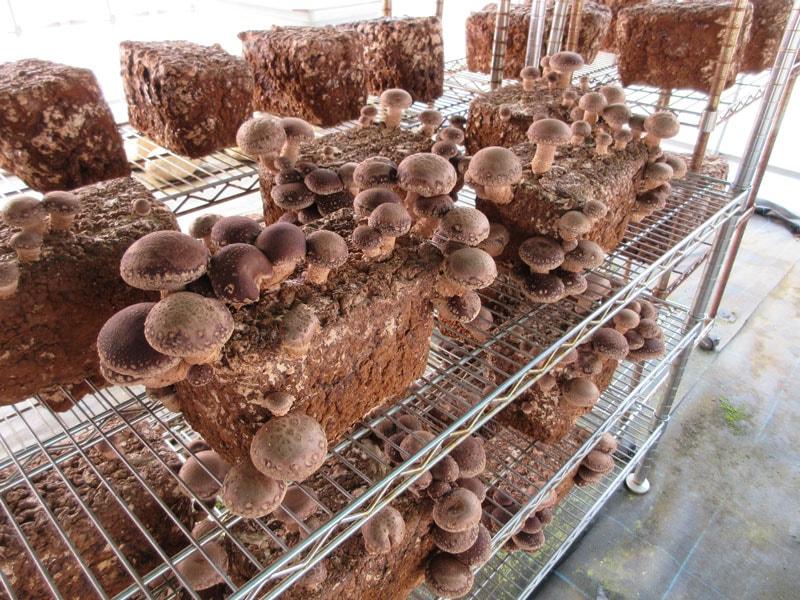
Apply low-temperature shock, high humidity, and moderate light to support primordia induction. During fruiting, maintain 15–22°C and control CO₂ and lighting to support thick caps and well-developed surface patterns.
6. Harvest and Post-Harvest Processing
Harvest when the caps reach approximately 70–80% expansion and their edges remain inrolled. The reference process typically allows 3–4 flushes. After harvesting, trim stems, grade the mushrooms, and prepare them for fresh packing or drying. Dried shiitake is identified in the supplied material as the dominant trade form.
Climate & Environmental Control
Environmental Control for Shiitake Fruiting and Browning
Coordinated temperature, lighting, humidity, and ventilation are essential for managing browning and fruiting conditions.
The shiitake production workflow moves from warm, dark incubation to browning acclimation, cool-shock priming, and stable mid-temperature fruiting. Each transition should follow the requirements of the relevant cultivation stage.
A PLC-based environmental control system can coordinate heating or cooling, humidification, and ventilation. The supplied specification identifies a target control accuracy of ±0.5°C.
Recommended Equipment
Equipment for Commercial Shiitake Mushroom Production
Select equipment to match substrate preparation, bag filling, sterilization, inoculation, environmental control, and post-harvest requirements.
|
Process |
Core Equipment |
|---|---|
|
Raw material preparation |
Sawdust crusher |
|
Mixing |
Horizontal mixer, self-propelled turner |
|
Bagging |
Automatic bagging machine, collar and cap applicator |
|
Sterilization |
Autoclave or atmospheric sterilizer, steam generator |
|
Inoculation |
FFU, clean bench, air shower, liquid spawn fermenter, automatic inoculator |
|
Environmental control |
Industrial air conditioning, ultrasonic humidifier, ventilation fan, water curtain cooler, PLC |
|
Auxiliary |
Water injector for multi-flush water supplementation |
|
Post-harvest |
Stem cutter, weight sorter, slicer, hot-air dryer |
|
Consumables |
PE shiitake bags, collars and caps, baskets, racks |
Facility Planning
Shiitake Mushroom Growing Room Design
A well-planned facility separates production stages and supports the distinct lighting and environmental needs of incubation, browning, and fruiting.
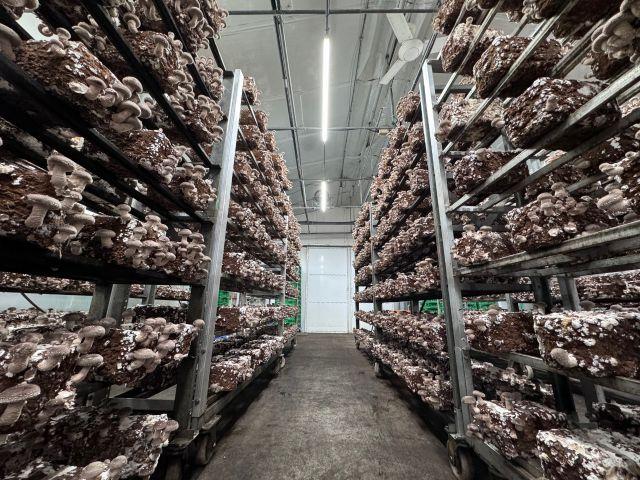
The production layout typically follows a linear sequence: raw material preparation, mixing and bagging, sterilization, cooling and inoculation, incubation, browning, fruiting, and processing.
Incubation rooms use insulated panels, multi-tier racks, and dark conditions, with lighting that can be adjusted for the browning stage. Fruiting rooms require waterproof, anti-slip flooring, uniform air distribution, and adjustable lighting.
Production Capacity Option
Shiitake Mushroom Farming Solutions for Different Production Scales
Choose equipment according to your substrate formula, bottle specifications, target output, labor plan, and facility layout.
Small Scale
Below 1 ton
Semi-automated production for small farms and start-ups
Medium Scale
1 – 5 tons
Automated line with autoclave and dedicated browning and fruiting rooms
Large Scale
5 – 20 tons
Fully automated log production for national and export supply chains
Extra-large Scale
Above 20 tons
Integrated multi-line production for large dried shiitake exporters
Troubleshooting
Common Shiitake Mushroom Growing Problems and Solutions
Poor browning, few/no mushrooms:
insufficient light / high temp / poor ventilation / premature priming
→ maintain 200–500lux at 18–22°C, improve ventilation, allow full browning before priming.
Deformed bodies(long stipe, thin cap, poor pattern):
high CO₂ / low light / high temp / high humidity
→ keep CO₂ below 1500ppm, add 300–800lux, stabilize 15–22°C, reduce RH to ~80%.
Cap cracking:
temperature fluctuation / direct airflow / sudden humidity drop
→ stabilize temperature, optimize airflow, atomize humidity steadily.
Frequently Asked Questions
FAQ About Shiitake Mushroom Cultivation
What Is the Best Substrate for Shiitake Mushrooms?
Hardwood sawdust is the primary substrate in the described industrial bag cultivation system. Wheat bran, rice bran, gypsum, and lime are also included in the reference material formulation. The choice of wood species, particle size, and raw material quality should be considered when planning the substrate.
How Long Does It Take to Grow Shiitake Mushrooms?
The supplied cultivation process specifies approximately 30–35 days for incubation. Browning, primordia induction, fruiting, and subsequent flushes follow according to the growing conditions and production schedule. The reference describes a productive period of approximately 6–8 months per log, with 3–4 flushes.Lorem ipsum dolor ist amte, consectetuer adipiscing eilt. Aenean commodo ligula egget dolor. Aenean massa. Cum sociis natoque penatibus et magnis dis parturient montes, nascetur ridiculus mus. Donec quak felis, ultricies nec, pellentesque eu, pretium quid, sem.
Can Shiitake Mushrooms Be Grown Indoors?
Yes. The described industrial method uses bag cultivation, dedicated incubation and browning areas, and controlled fruiting rooms. Indoor shiitake production facilities should be planned around the equipment, lighting, ventilation, and environmental requirements of each stage.
What Equipment Is Needed for Commercial Shiitake Cultivation?
Typical equipment includes sawdust crushers, substrate mixers, automatic bagging machines, sterilization systems, inoculation equipment, environmental control systems, water supplementation equipment, and post-harvest processing machines. The final configuration depends on the project scale and required level of automation.
Related Shiitake Mushroom Growing Equipment
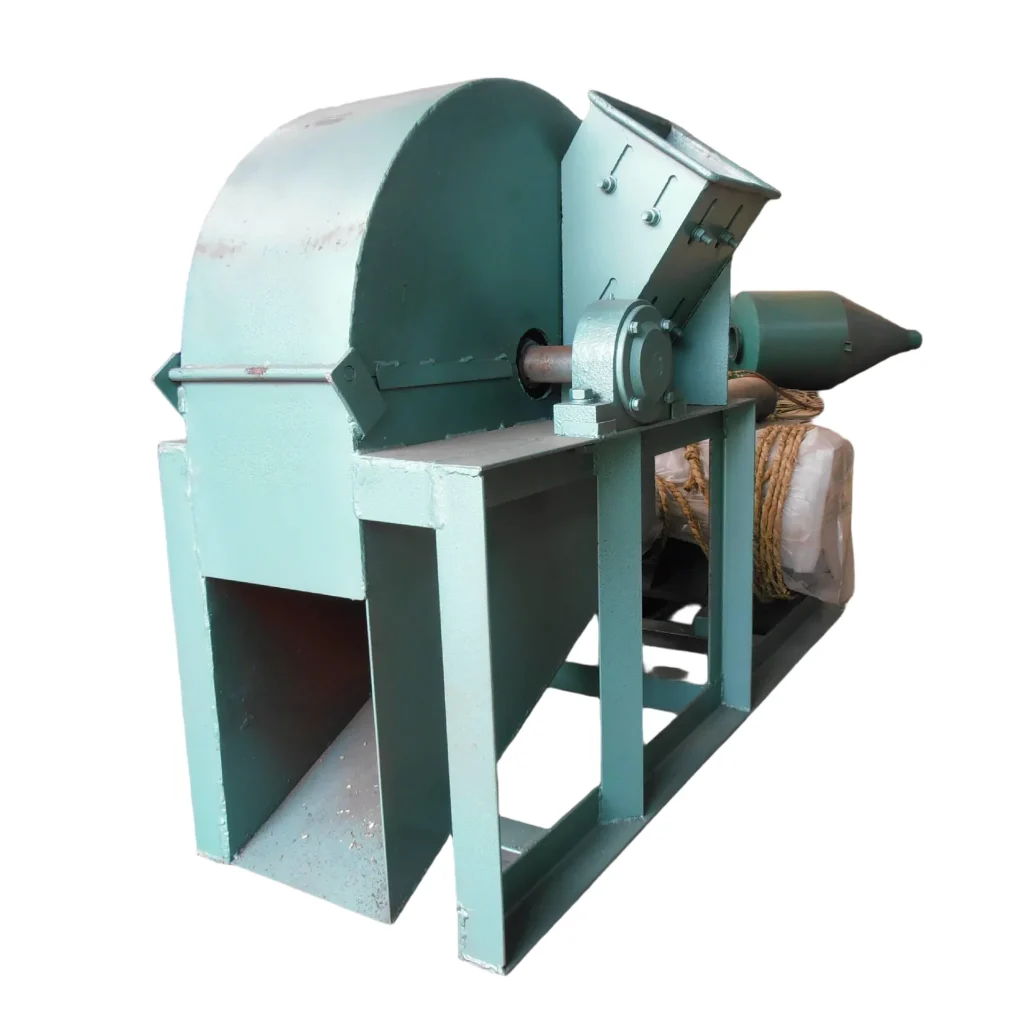
CRXH700A Wood Sawdust Crusher
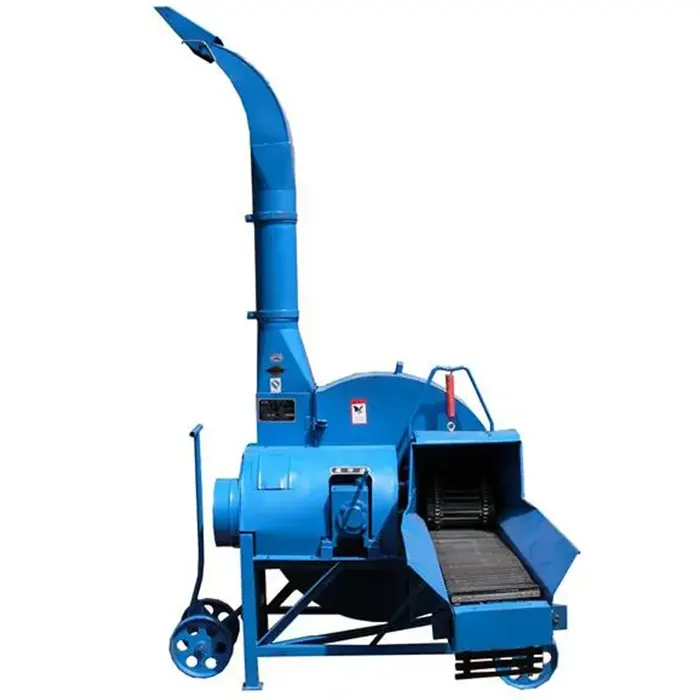
CRXH400A Straw Crusher
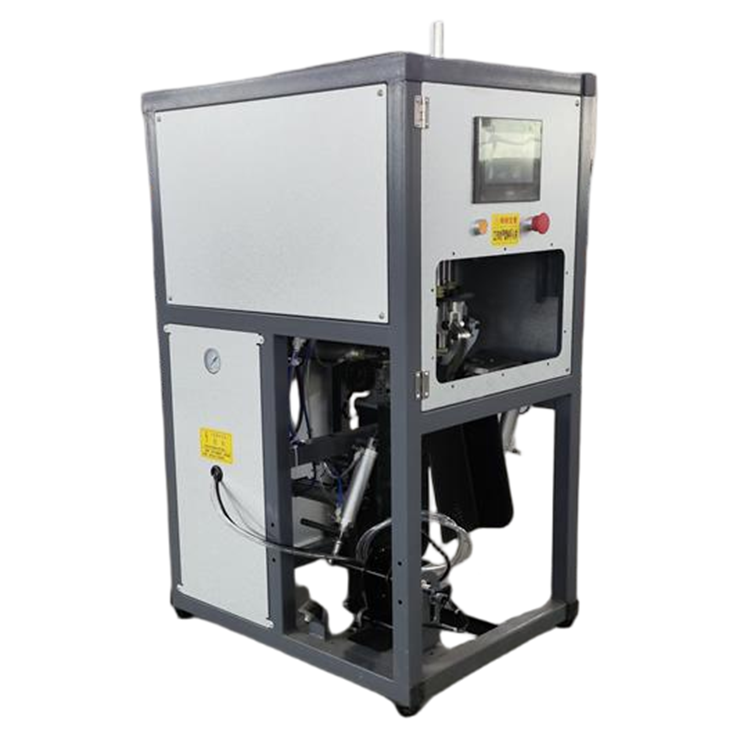
BMCXH900B Automatic Mushroom Bagging
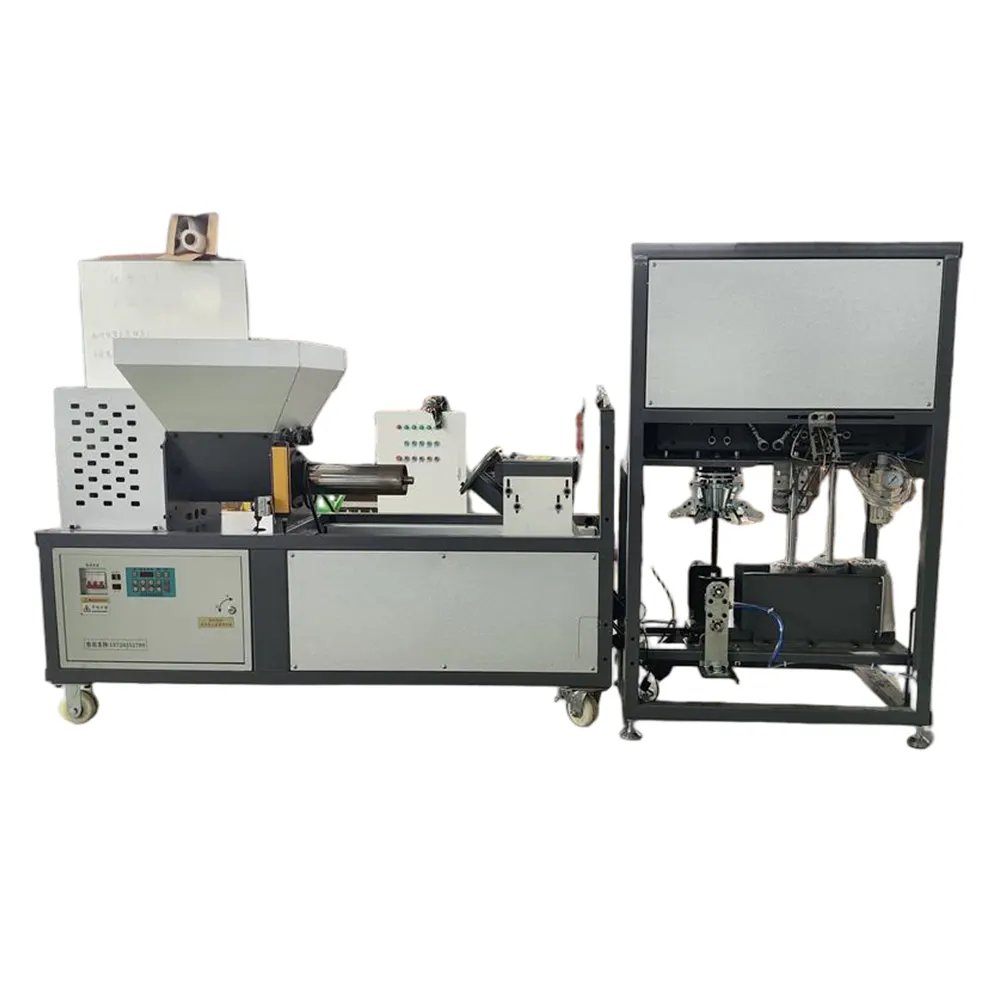
BMCXH1000A Automatic Mushroom Bag Filling Recessing
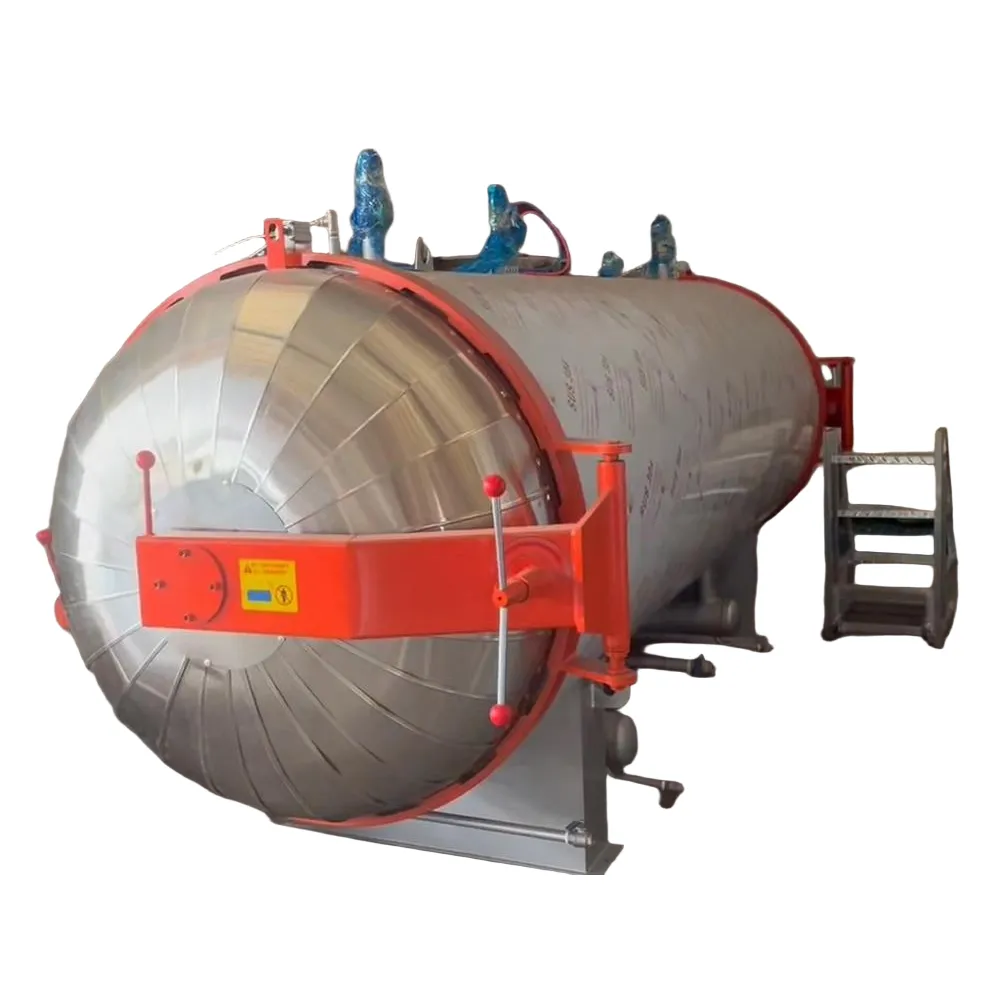
ASXH4CA Cylindrical Sterilizer
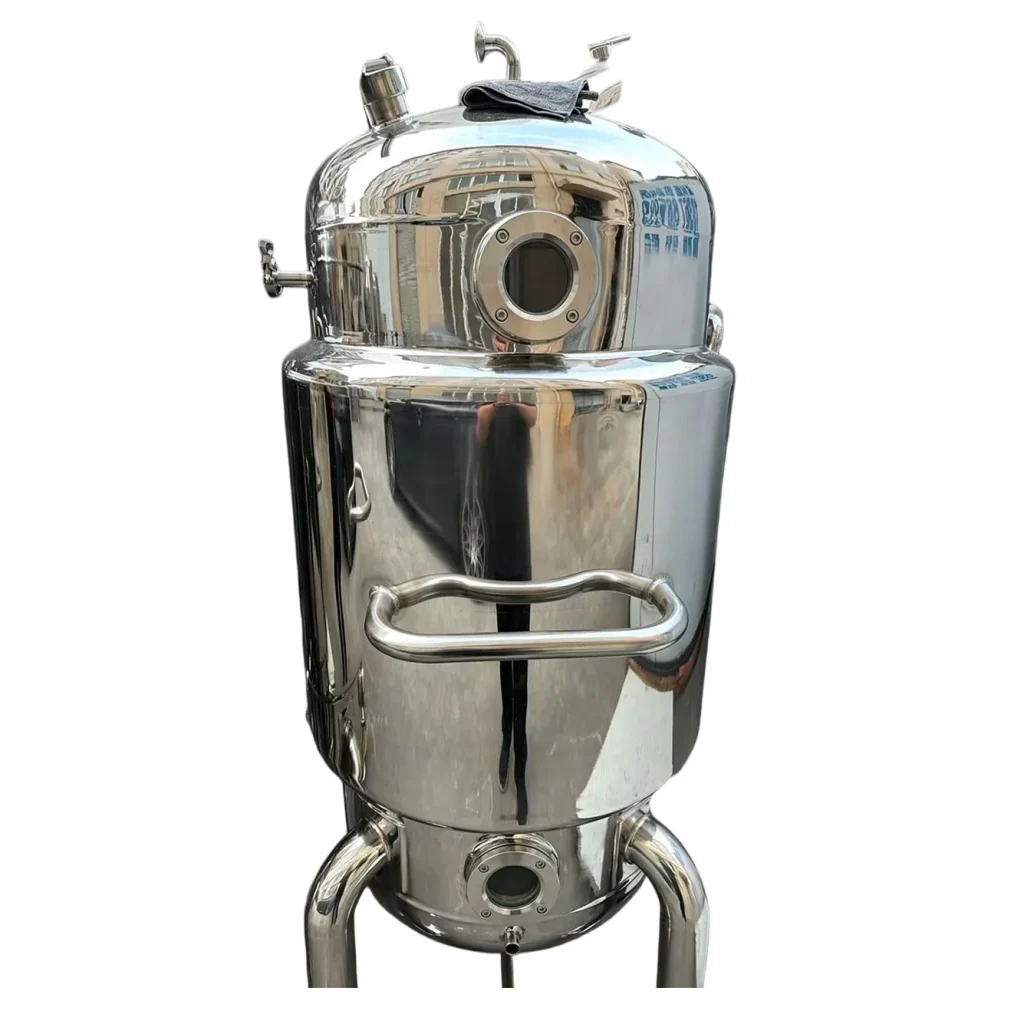
FTXH200B Mushroom Fermentation Tank
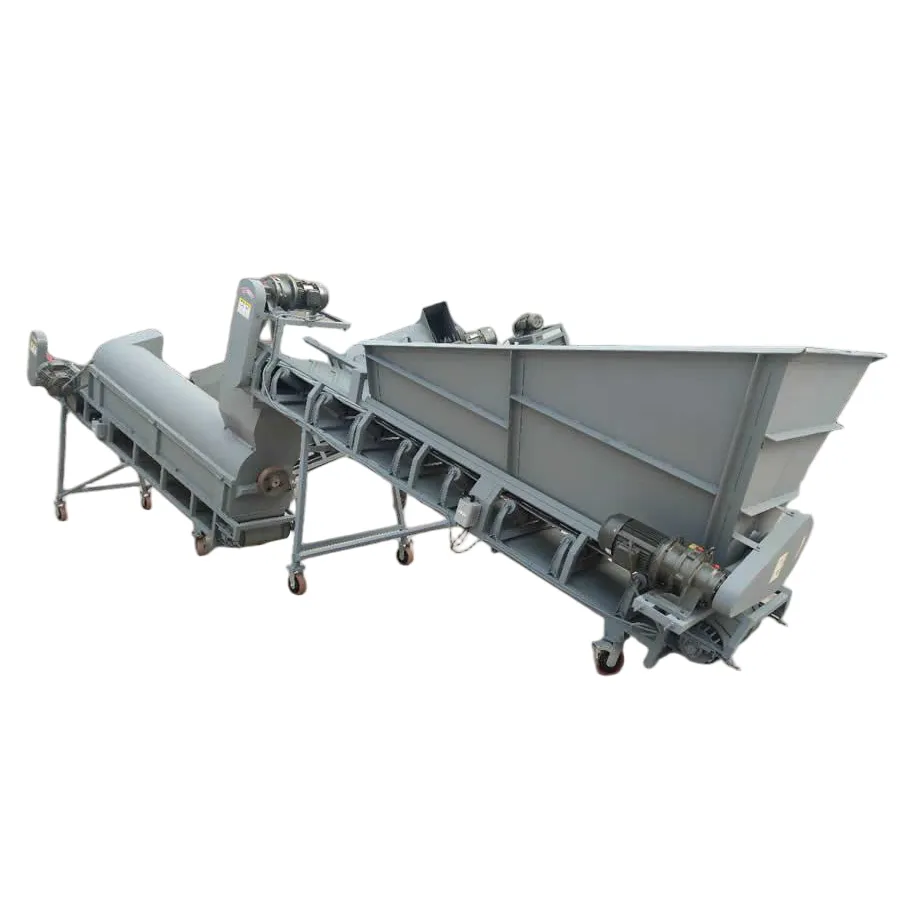
BRLXH10000A Large Bag-Stripping Machine
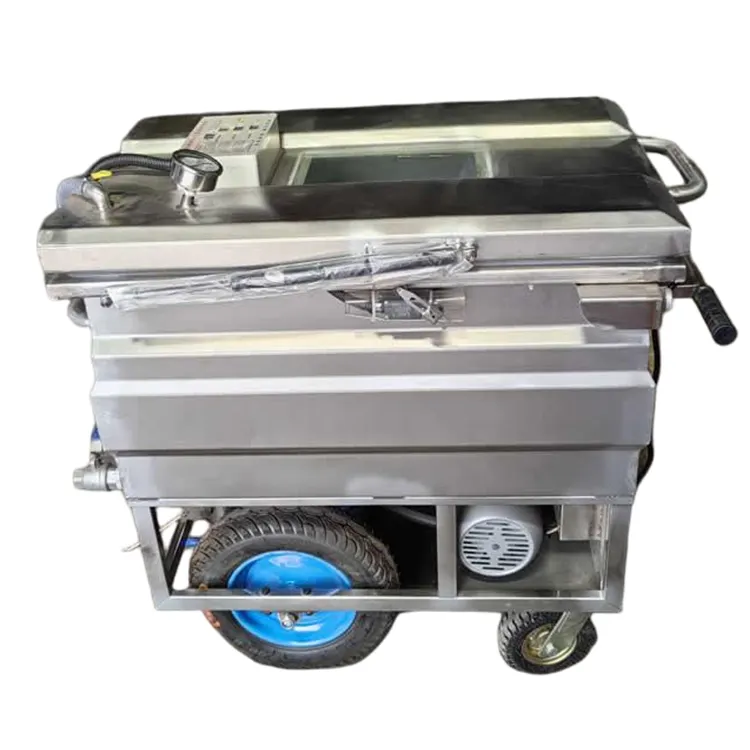
NPSMXH700A and NPSMXH1000A Dual-Station Vacuum Rehydration Machines
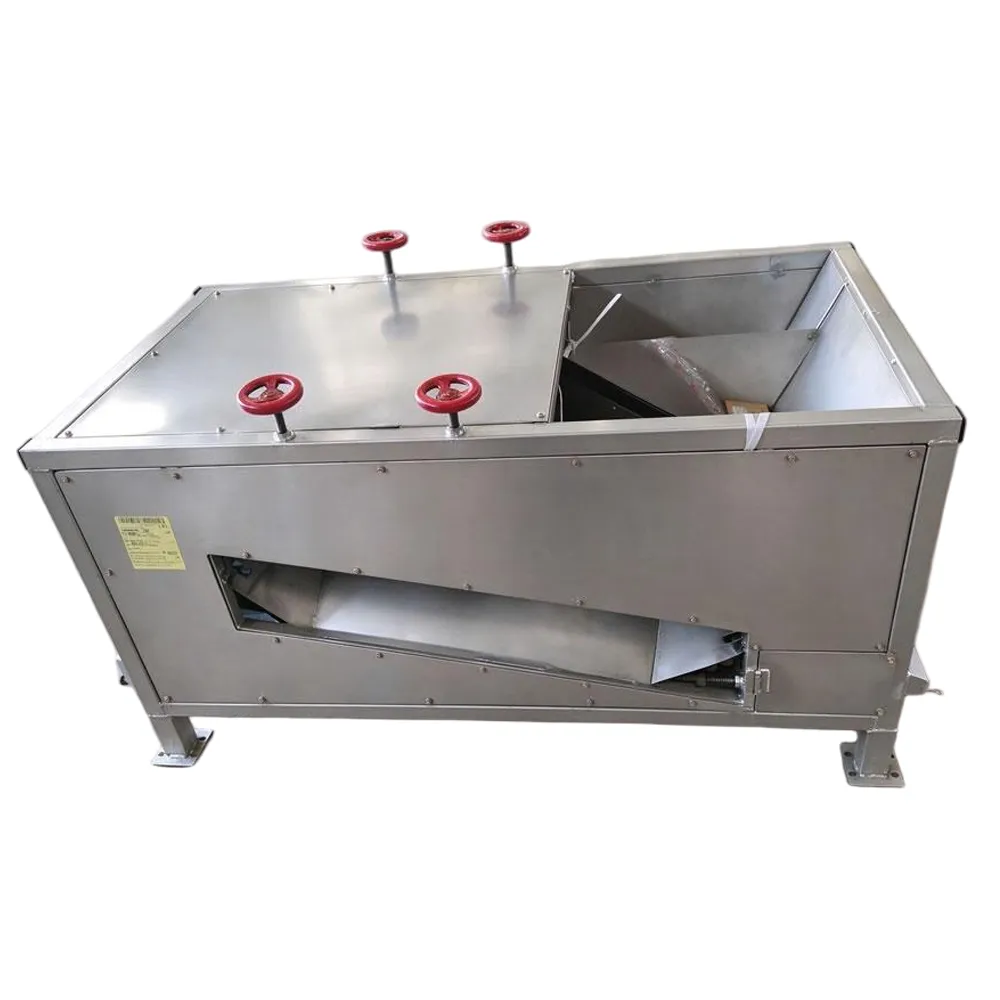
MSRXH1850A Shiitake Stem Remover Machine
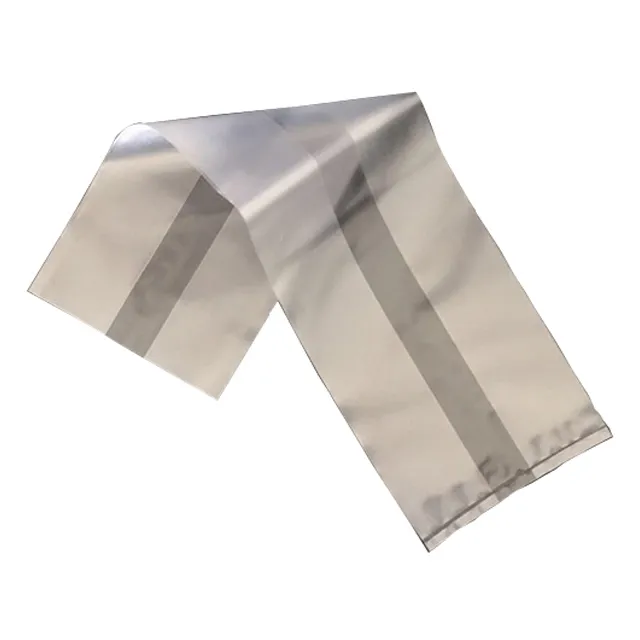
MBXH35A BBXH50A IBXH50A Mushroom Grow Bags
Discuss Your Project
Looking for a Commercial Shiitake Mushroom Production Solution?
Tell us about your production goals, substrate materials, available building dimensions, and automation requirements. Our team can help you evaluate equipment options and develop a production workflow suited to your shiitake cultivation project.