











Mushroom Growing Solutions
Commercial Reishi Mushroom Growing Solution
Reishi (Ganoderma lucidum), also known as lingzhi, is a valued medicinal fungus used in dietary supplements and traditional health products. Our reishi mushroom cultivation solutions focus on industrial bag cultivation, controlled fruiting body development, and optional spore powder collection.
From substrate preparation and inoculation to environmental control, harvesting, and processing, equipment configurations can be tailored to production capacity, facility layout, and automation requirements.
按钮:
Industrial Cultivation
Plan an Integrated Reishi Mushroom Production System
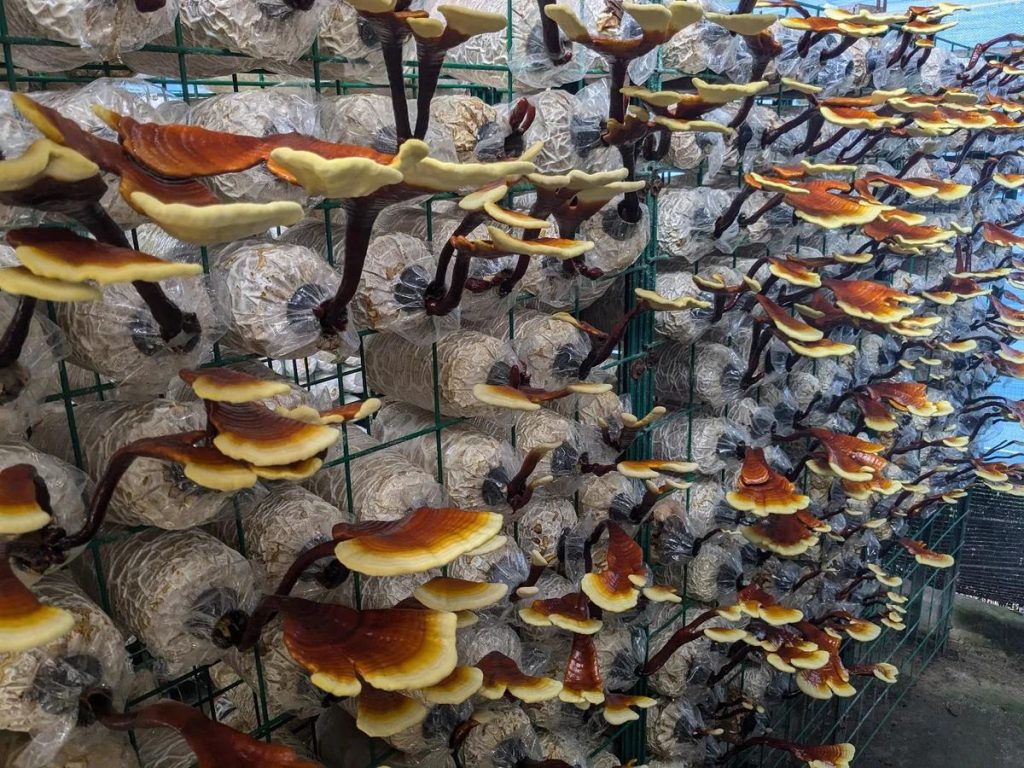
Coordinated cultivation stages and dedicated spore collection areas help organize commercial reishi production.
Commercial reishi production involves substrate preparation, bag filling, sterilization, inoculation, incubation, primordia induction, fruiting, and post-harvest processing. Each stage requires an appropriate production layout and environmental management approach.
For projects that include spore powder collection, facility planning should also account for dedicated collection equipment and a separate spore-processing area. Integrating these requirements into the production plan helps coordinate equipment, room allocation, and material movement.
Market & Benefits
Why Grow Reishi Mushrooms?
Fruiting body production, optional spore powder collection, and flexible processing options support different commercial reishi business models.
Demand from Functional Food and Supplement Markets
Reishi is used in dietary supplements and traditional health products. Commercial cultivation projects can plan their production and processing workflows around the intended product types and buyer requirements.
Multiple Product Opportunities
Reishi fruiting bodies and spore powder can be handled as separate product streams. Depending on the project, production may include dried fruiting bodies, slices, powders, and extract-oriented raw materials.
Controlled Indoor Production
Indoor bag cultivation allows growers to organize incubation, primordia induction, and fruiting within dedicated production areas. Environmental control equipment can help maintain conditions suited to each stage.
Suitable for Integrated Production Systems
Liquid spawn equipment, automated bagging, sterilization systems, and intelligent climate control can be combined into a coordinated reishi production workflow.
Flexible Substrate Options
The supplied cultivation system uses broadleaf sawdust as its main substrate material, with cottonseed hulls and corncobs as additional raw materials. Suitable supplements are incorporated according to the reference substrate formula.
Growing Conditions & Substrate
Reishi Mushroom Growing Conditions and Substrate Requirements
Substrate quality, temperature stability, humidity, and lighting influence reishi development and fruiting body appearance.
Best Reishi Substrate for Bag Cultivation
Broadleaf sawdust, preferably oak according to the supplied reference, forms the main component of the substrate. Cottonseed hulls, wheat bran, corn flour, gypsum, sucrose, and calcium superphosphate are also included.
Reference substrate formula:
65% sawdust + 15% cottonseed hull + 15% wheat bran + 2% corn flour + 1% gypsum + 1% sucrose + 1% calcium superphosphate.
The formulation above follows your supplied specification. Actual substrate preparation should account for raw material quality and the intended production process.
Reishi Grow Bags and Cultivation Containers
The reference system uses PP bags measuring 20 × 40 cm with a thickness of 0.05 mm. Wide-mouth PP bottles may also be considered as an optional container format.
Bag filling, sterilization, and inoculation should be coordinated with the selected production capacity and downstream cultivation stages.
Ganoderma Lucidum Growing Conditions
|
Parameter |
Indicators |
Notes |
|
Substrate |
Broadleaf sawdust (oak preferred), cottonseed hull, corncob; wheat bran, corn flour, gypsum, sucrose, calcium superphosphate |
65% sawdust + 15% cottonseed hull + 15% wheat bran + 2% corn flour + 1% gypsum + 1% sucrose + 1% calcium superphosphate |
|
Container |
PP bags (20×40cm, 0.05mm); wide-mouth PP bottles optional |
Bag cultivation is global standard |
|
Baseline |
Moisture 60–65%; pH 5.5–6.5 |
Slightly acidic environment favors mycelial growth |
|
Temperature |
Incubation 24–26°C (typically 24°C); primordia 22–26°C; fruiting 24–28°C |
Warm-loving; temperature stability determines quality |
|
Humidity |
Incubation 60–70%; primordia 85–90%; fruiting 85–90%; pre-harvest 80–85% |
Lower humidity pre-harvest improves shelf life |
|
CO₂ |
Incubation 3000–5000ppm; primordia 800–1200ppm; fruiting 1000–1500ppm |
High CO₂ causes elongated stipe and poor cap development |
|
Light |
Incubation dark; primordia 200–500lux; fruiting 500–1000lux |
Light is essential for primordia and pigmentation |
Production Workflow
Reishi Mushroom Cultivation Process:
A staged production workflow connects bag preparation, incubation, fruiting body development, optional spore collection, and post-harvest processing.
1. Substrate Preparation and Bag Filling
Prepare the sawdust-based substrate using the selected formulation. Mix the raw materials thoroughly, fill the substrate into PP bags, and prepare the bags for sterilization.
2. Sterilization and Reishi Inoculation
Sterilize the filled bags using the selected system. After cooling, carry out inoculation under the intended clean working conditions. Liquid spawn equipment and automatic inoculation machinery can support an organized production workflow.
3. Incubation
Incubate the bags in darkness at 24–26°C for approximately 25–30 days, following the supplied reference process. Monitor cultivation conditions and mycelial development before moving to the next stage.
4. Primordia Induction
Open the bags and provide suitable lighting, moderate cooling, and ventilation according to the cultivation plan. Conditions during this stage help prepare the bags for fruiting body development.
5. Fruiting and Cap Development
Maintain fruiting temperatures of 24–28°C and manage CO₂, humidity, airflow, and lighting. These conditions should be coordinated to support well-shaped fruiting bodies with even pigmentation.
6. Reishi Spore Powder Collection
For projects that include spore collection, fit dedicated collection bags before spore release. Plan the collection process around fruiting body maturity and the selected spore collection system.
7. Harvest and Post-Harvest Processing
Harvest when the caps have fully expanded, their edges stop thickening, and the color deepens. The supplied reference indicates 1–2 flushes, with the first flush identified as the highest-quality harvest.
After harvesting, fruiting bodies can be trimmed, graded, sliced, dried, or directed to spore powder and extract-oriented processing.
Climate & Environmental Control
Environmental Control for Reishi Fruiting and Spore Collection
Stable temperature, coordinated lighting, humidity management, and appropriate airflow help support fruiting body development and optional spore collection.
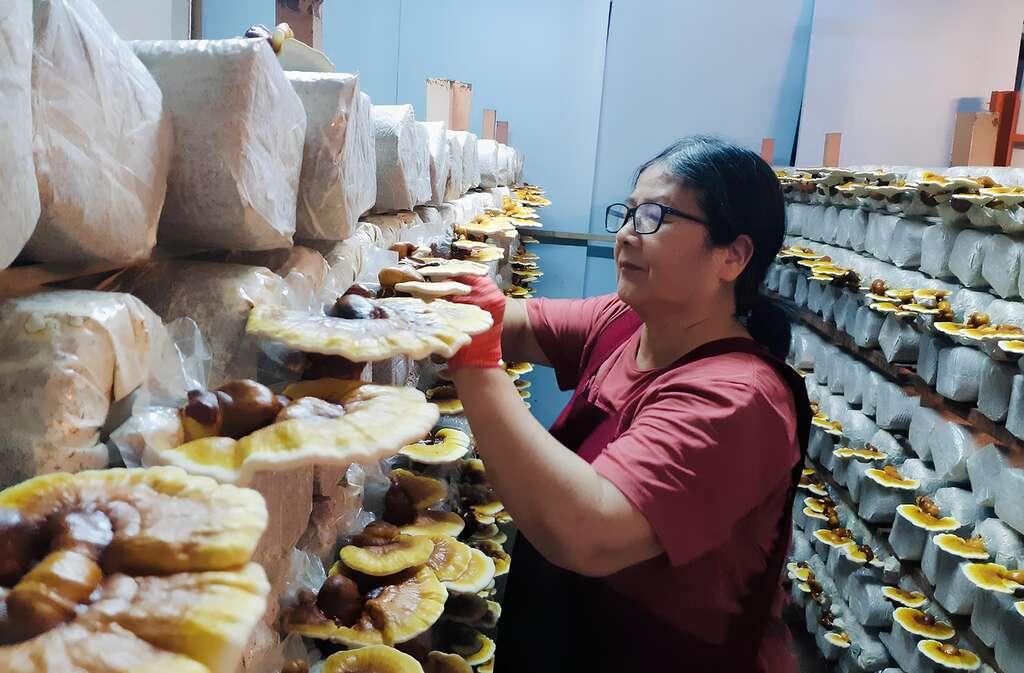
The reishi production workflow moves from warm, dark incubation to primordia induction and stable, warm-temperature fruiting. Temperature, light, humidity, and CO₂ should be managed according to the requirements of each stage.
A PLC-based environmental control system can coordinate air conditioning, humidification, and ventilation. For projects that collect spores, the facility may also need a dedicated collection area with negative-pressure ventilation and dust collection, as outlined in the supplied design requirements.
Reishi Mushroom Growing Equipment
Equipment for Commercial Reishi Mushroom Production
Choose equipment to match substrate preparation, bag filling, sterilization, inoculation, environmental control, and post-harvest processing.
|
Process |
Core Equipment |
|
Raw material prep |
Sawdust/corncob/straw crusher |
|
Mixing |
Horizontal substrate mixer, self-propelled turner |
|
Bagging |
Automatic mushroom bagging machine, collar & cap applicator |
|
Sterilization |
Autoclave / atmospheric sterilizer, steam generator |
|
Inoculation |
FFU, clean bench, air shower, liquid spawn fermenter, automatic inoculator |
|
Environment |
Industrial mushroom climate control system, ultrasonic humidifier, ventilation fan, water curtain cooler, PLC |
|
Post-harvest |
Stem cutter, weight sorter, slicer, hot air dryer |
|
Consumables |
PP bags, collars & caps, spore collection bags, baskets, racks |
Build an Integrated Reishi Production Line
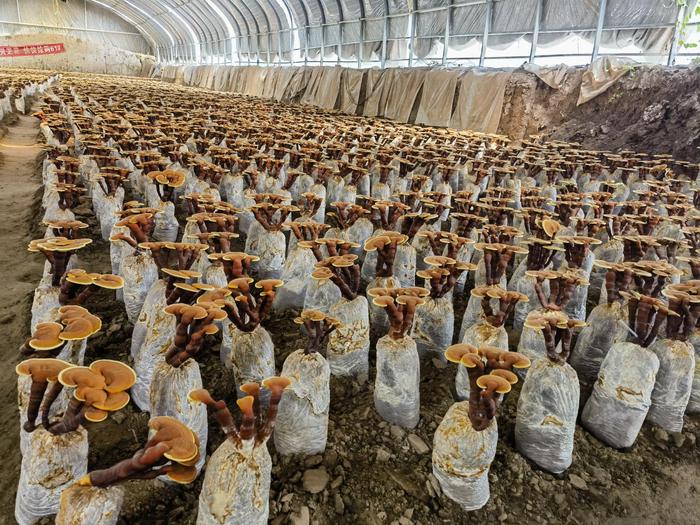
Commercial reishi production requires equipment that works together across the full workflow. Coordinating substrate preparation, bagging, sterilization, inoculation, environmental management, and processing helps align equipment selection with the intended production scale.
For projects that collect spore powder, include the required collection bags and collection-area arrangements in the initial equipment plan.
Growing Room Design
Design an Efficient Reishi Mushroom Growing Facility
A zoned facility layout helps coordinate incubation, fruiting, harvesting, and optional spore collection.
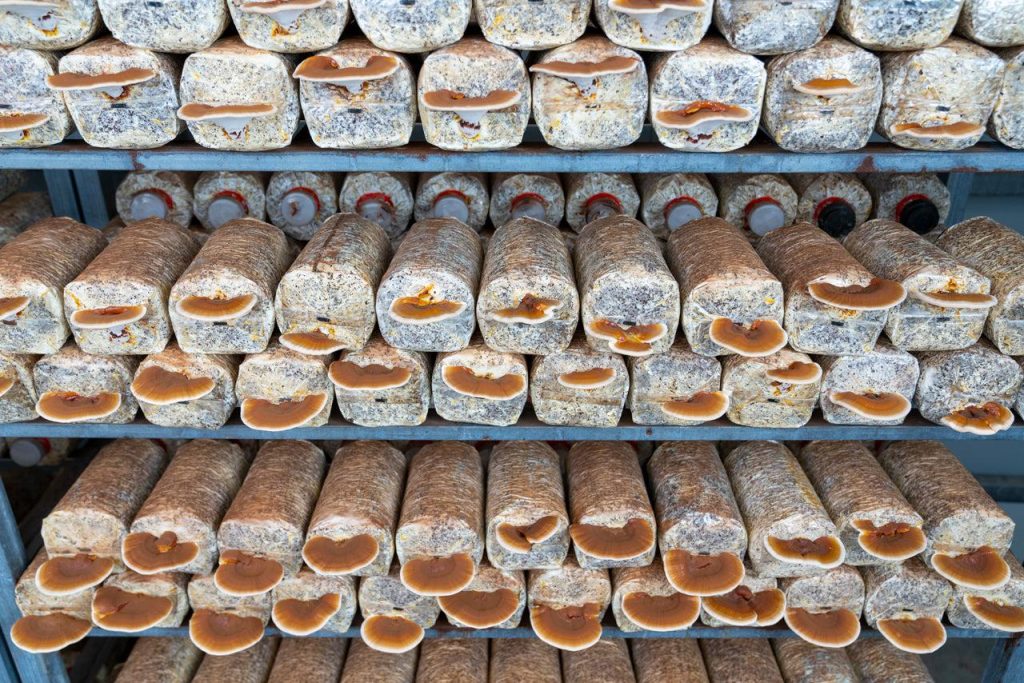
Reishi production facilities should follow a clear production sequence: raw material preparation, mixing and bagging, sterilization, cooling and inoculation, incubation, fruiting, and post-harvest processing.
Incubation rooms typically use insulated panels, multi-tier racks, and dark conditions. Fruiting rooms need waterproof, anti-corrosion flooring, uniform air distribution, and appropriate lighting.
For projects that include spore powder collection, plan a dedicated area with negative-pressure ventilation and dust collection. Containerized growing units may also be considered for pilot projects, depending on the required capacity and facility conditions.
Scalable Production
Reishi Mushroom Farming Solutions for Different Production Scales
Production systems can be configured for specialty farms, supplement raw material suppliers, and large-scale production facilities.
Small Scale
Below 1 ton
Semi-automated production for specialty medicinal mushroom farms
Medium Scale
1 – 5 tons
Automated line with sterilization and liquid spawn equipment
Large Scale
5 – 20 tons
Fully automated production for national and export markets
Extra-large Scale
Above 20 tons
Integrated multi-zone plant with dedicated spore processing
Actual capacity depends on substrate formulation, container specifications, growing-room capacity, cultivation schedules, and the intended product mix. Final equipment selection should reflect the project’s target output and whether spore collection is included.
Troubleshooting
Common Reishi Mushroom Growing Problems and Solutions
Deformed bodies(elongated stipe, small/absent cap):
high CO₂ / low light / poor ventilation / high temp
→ keep CO₂ below 1500ppm, add 500–1000lux, stabilize 24–28°C.
Few primordia, low fruiting:
immature mycelium / low light / poor ventilation / nutrient deficiency
→ extend post-ripening, add light, improve ventilation, optimize C/N ratio.
Low spore yield / poor quality:
immature bodies / high humidity / excessive ventilation / low light
→ collect at full maturity, maintain ~80% RH, moderate ventilation, ensure sufficient light.
Frequently Asked Questions
FAQ About Reishi Mushroom Cultivation
What Is the Best Substrate for Reishi Mushrooms?
The supplied reference formula uses sawdust as the main substrate component, together with cottonseed hulls, wheat bran, corn flour, gypsum, sucrose, and calcium superphosphate. Oak sawdust is preferred in the reference. Raw material selection and substrate preparation should follow the requirements of the selected production process.
How Do You Grow Reishi Mushrooms Indoors?
The described production method uses bag cultivation in controlled growing rooms. The process includes substrate preparation, bag filling, sterilization, inoculation, incubation, primordia induction, fruiting, and post-harvest handling. Environmental control equipment can be selected to manage temperature, humidity, CO₂, and lighting.
What Are the Growing Conditions for Ganoderma Lucidum?
The supplied reference specifies incubation at 24–26°C, primordia induction at 22–26°C, and fruiting at 24–28°C. Humidity, CO₂, and lighting requirements vary by stage, so environmental conditions should be managed according to the cultivation schedule.
How Long Does It Take to Grow Reishi Mushrooms?
The supplied production outline specifies approximately 25–30 days for incubation. The complete cultivation timeline also includes primordia induction, fruiting, and harvesting. As the supplied material does not specify the full cycle duration, the total time should be confirmed against the intended production method and schedule.
Can Reishi Cultivation Include Spore Powder Collection?
Yes. The supplied production plan includes optional spore collection. This requires suitable collection bags and, where applicable, a dedicated collection area with negative-pressure ventilation and dust collection.
Related Reishi Mushroom Growing Equipment
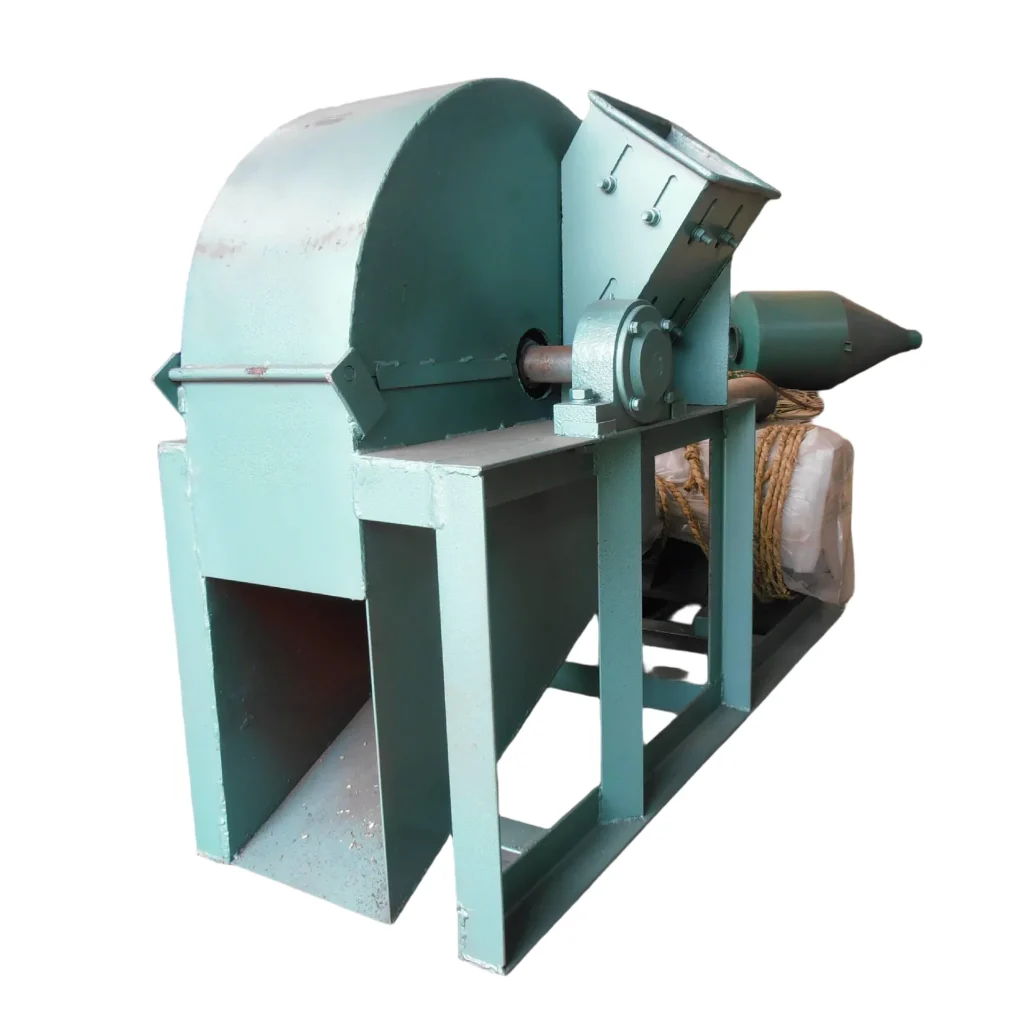
CRXH700A Wood Sawdust Crusher
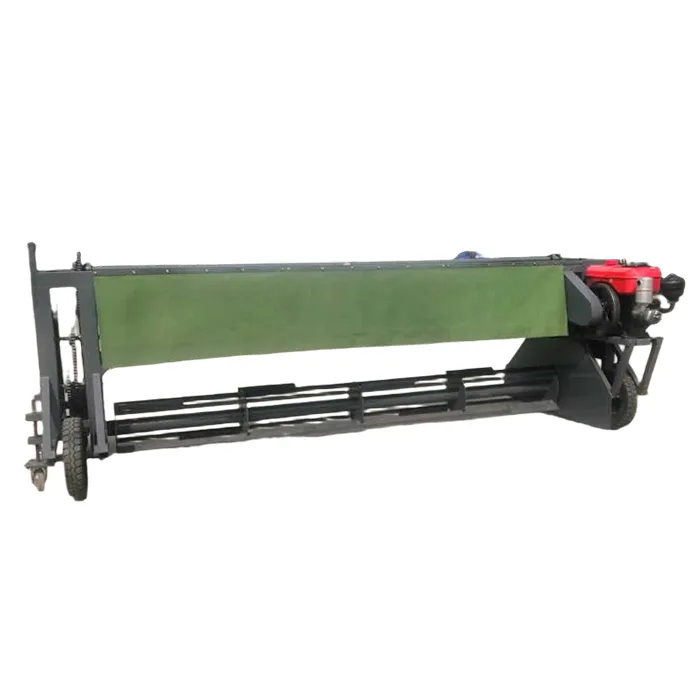
TUXH2MA Gantry Compost Turner
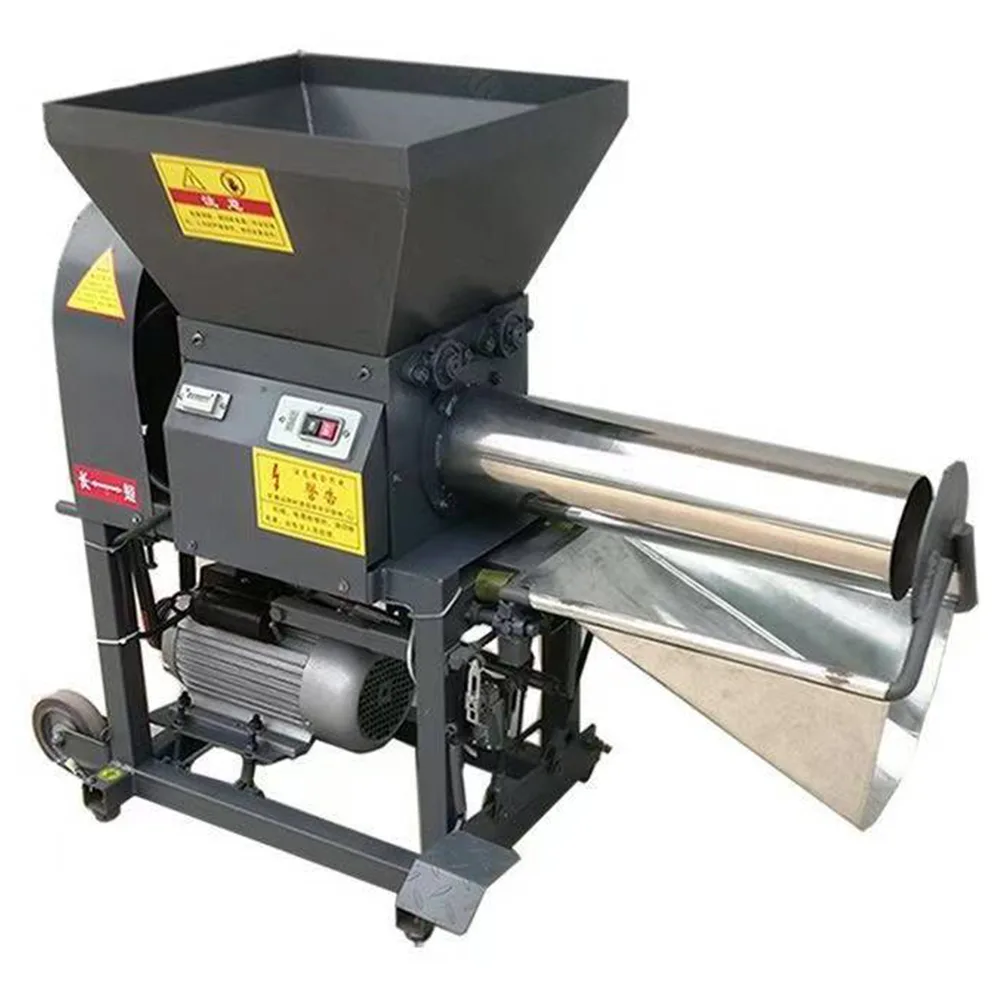
BMXH800A Pedal Bag Filling Machine
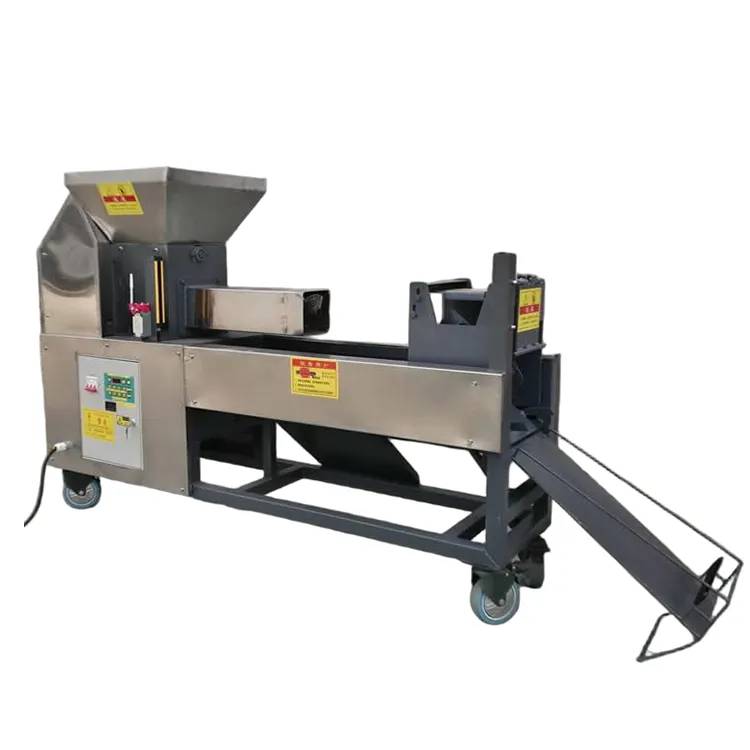
BMXH800D Square Block Bagging Machine
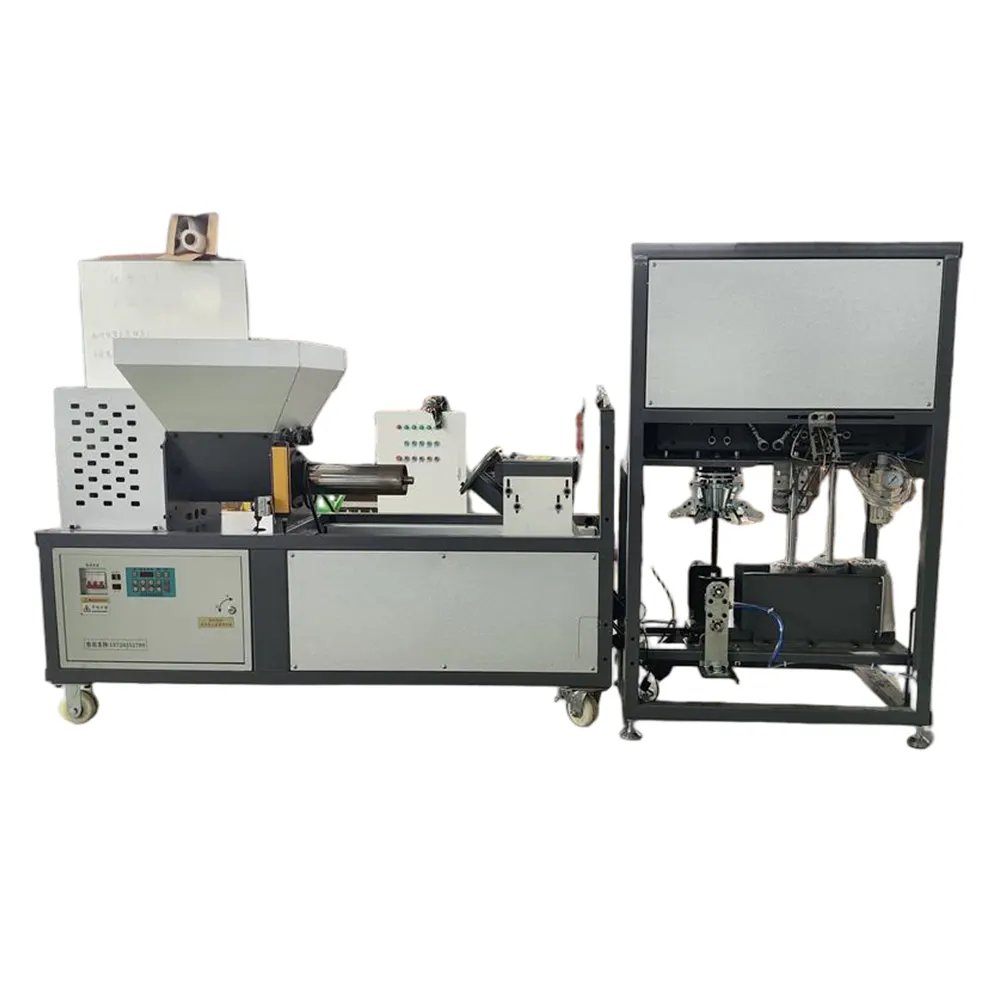
BMCXH1000A Automatic Mushroom Bag Filling Recessing
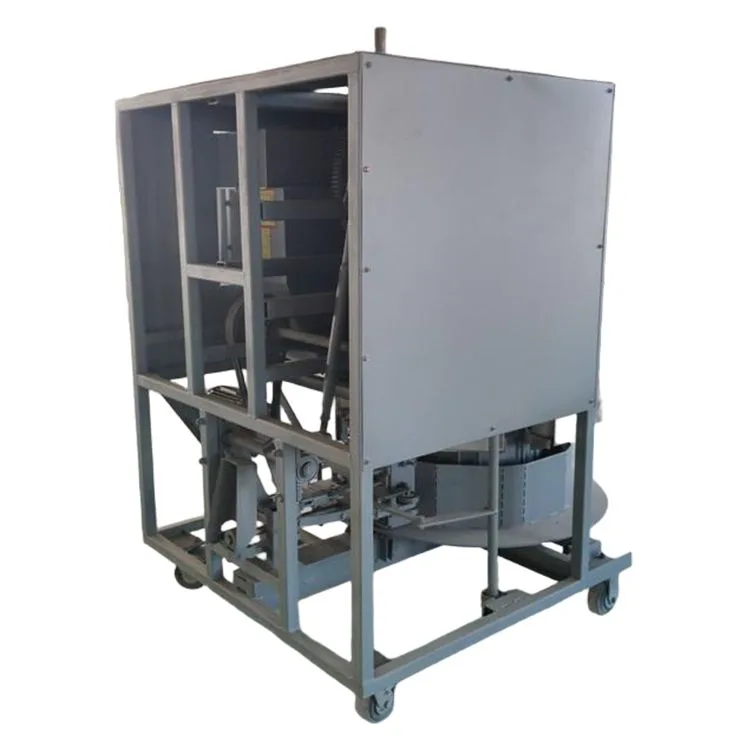
BMXH1000A Bag Filling Machine
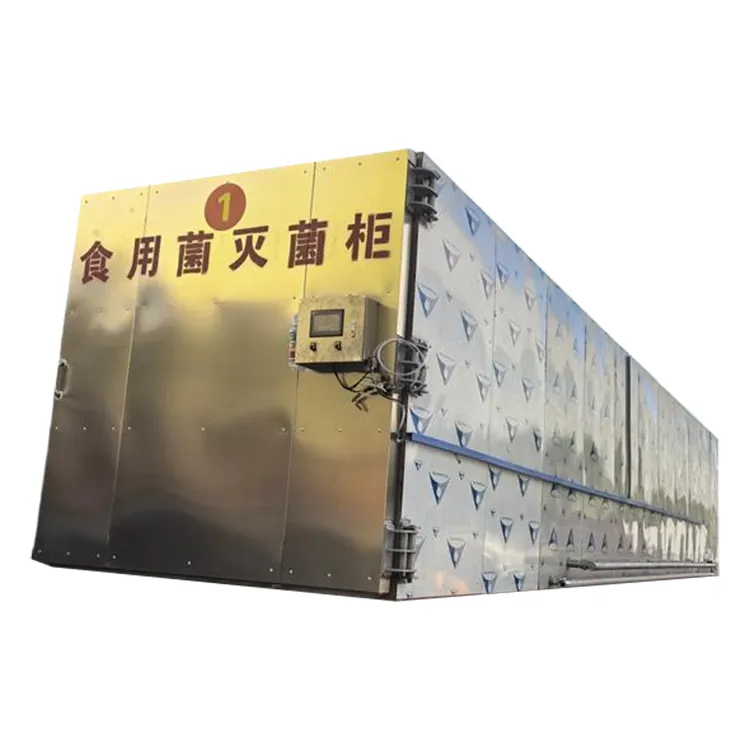
ASXH6200A Sterilization Chamber
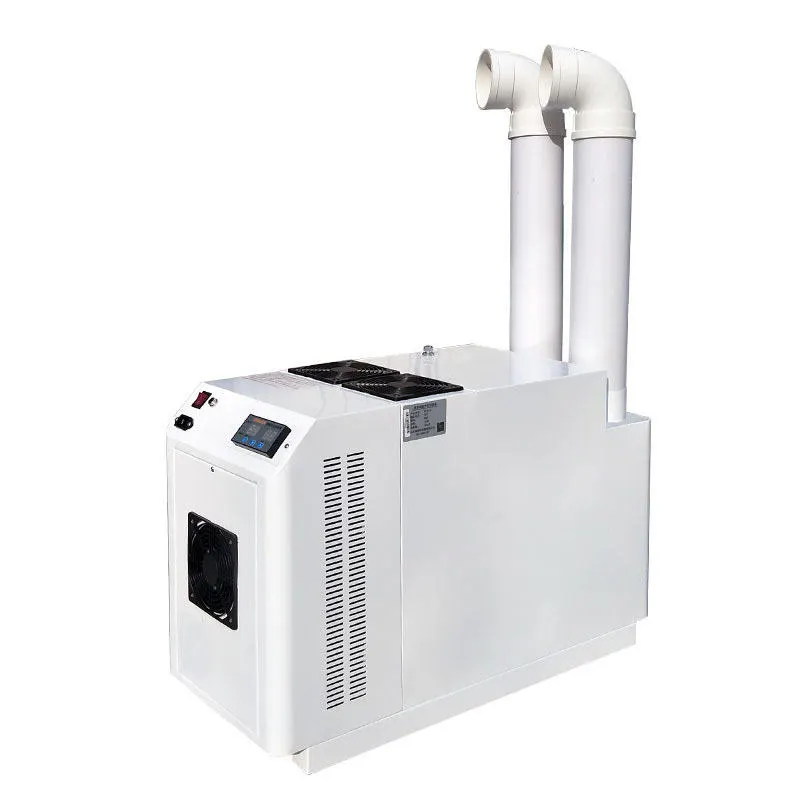
UHXH9A UHXH12A Integrated Ultrasonic Humidifier
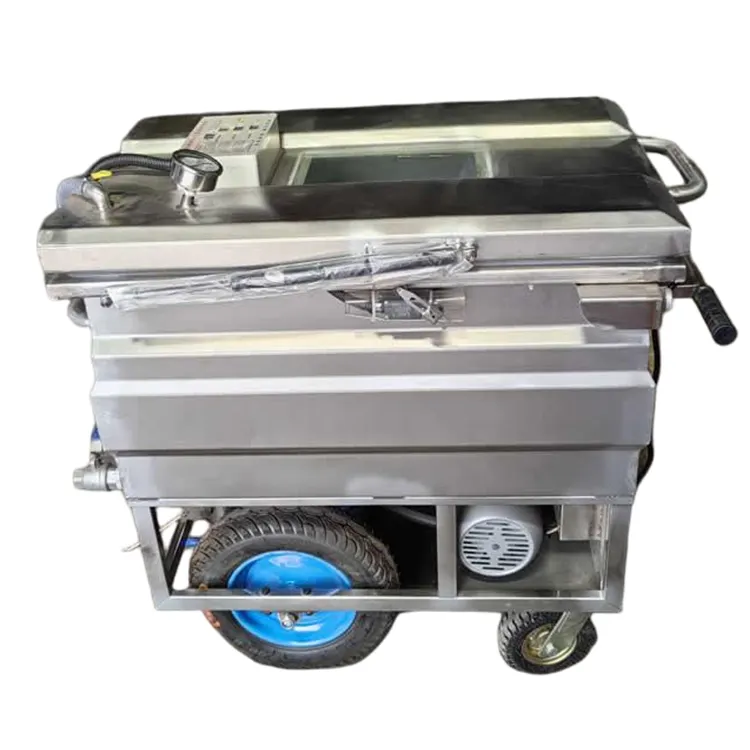
NPSMXH700A and NPSMXH1000A Dual-Station Vacuum Rehydration Machines
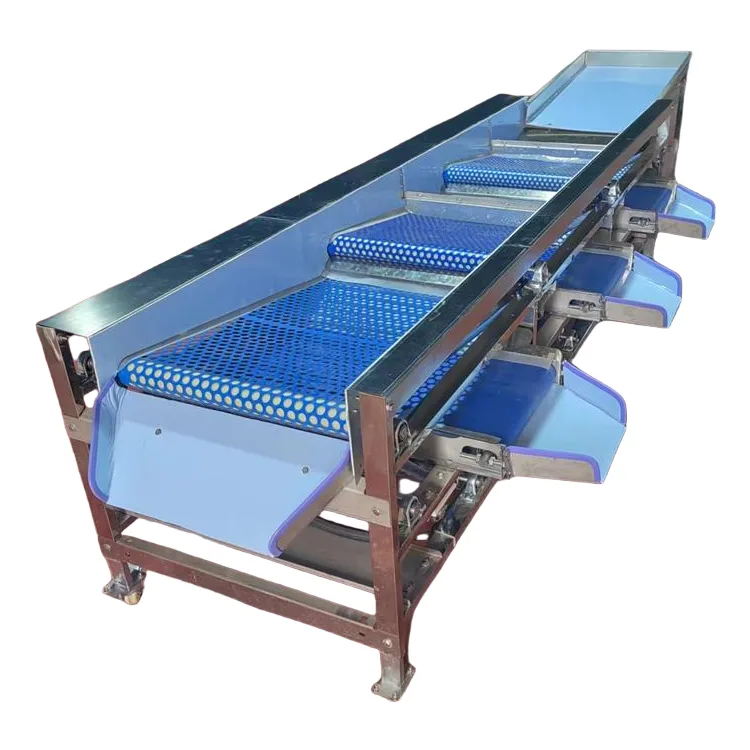
PBSMXH750A Perforated Belt Sorting Machine
Discuss Your Project
Looking for a Commercial Reishi Mushroom Growing Solution?
Tell us about your production goals, substrate materials, available building space, and automation requirements.
Our team can help you evaluate suitable equipment options for your reishi cultivation project.