











Mushroom Growing Solutions
Commercial Wood Ear Mushroom Growing Solution
Wood ear mushroom (Auricularia auricula-judae) is a popular edible and medicinal fungus valued for its crisp texture and distinctive gelatinous properties. Our wood ear mushroom cultivation solutions use industrial bag cultivation technology, with a focus on substrate preparation, high-humidity fruiting management, and controlled production processes.
From small farms to large-scale production facilities, equipment configurations can be tailored to production capacity, available space, and automation requirements.
Industrial Cultivation
Plan an Efficient Wood Ear Mushroom Production System
Coordinated production stages and balanced moisture and ventilation management support commercial wood ear cultivation.
Commercial wood ear mushroom production involves substrate preparation, bag filling, sterilization, inoculation, incubation, primordia induction, fruiting, and post-harvest processing.
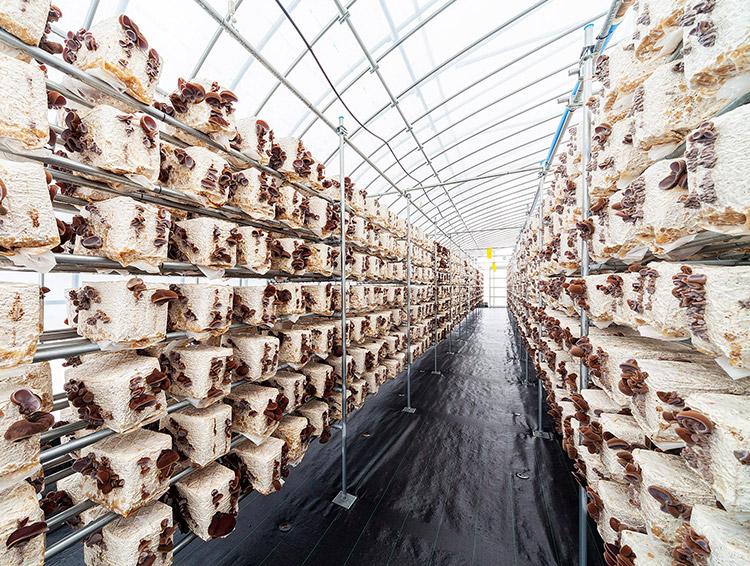
An integrated production layout helps coordinate equipment, material movement, and growing-room conditions. Particular attention should be given to high-humidity fruiting management, where moisture supply and ventilation need to work together throughout the production process.
Market & Benefits
Why Choose Wood Ear Mushroom Cultivation?
Dried product potential, adaptable raw materials, and multiple harvests support different commercial wood ear production models.
Established Demand for Dried Wood Ear Mushrooms
Dried wood ear mushrooms are the dominant form in international trade. Their longer shelf life supports storage, distribution, and export-oriented supply chains.
Flexible Raw Material Options
Wood ear mushrooms can be cultivated using suitable raw materials such as broadleaf sawdust, cottonseed hulls, corncobs, and straw. This flexibility allows growers to evaluate local material availability and substrate preparation costs.
Multiple Flushes and Production Potential
The supplied cultivation reference indicates a biological efficiency of 80–120% and typically 2–3 flushes. Actual production performance depends on substrate quality, cultivation conditions, and production management.
Scalable Industrial Cultivation
Bag cultivation can be organized into connected production stages. Equipment ranging from semi-automated systems to integrated production lines can be selected according to target output and facility requirements.
Opportunities for Dried and Processed Products
Wood ear mushrooms can be trimmed, graded, dried, or processed into dried pieces and shredded products. Post-harvest equipment should be selected according to the intended product format and processing workflow.
Cultivation Parameters
Wood Ear Mushroom Growing Conditions and Substrate Requirements
Substrate composition, moisture, humidity, temperature, and ventilation all influence wood ear mushroom development.
Substrate for Wood Ear Mushroom Cultivation
The reference substrate uses broadleaf sawdust, cottonseed hulls, corncobs, wheat bran, corn flour, lime, and gypsum. Straw is another raw material identified for potential use in wood ear cultivation.
Reference substrate formula:
45% sawdust + 25% cottonseed hull + 15% corncob + 12% wheat bran + 2% corn flour + 0.5% lime + 0.5% gypsum.
The formula is reproduced from your supplied materials. Please verify the percentages before publication, as the listed components add up to 100.5%.
Wood Ear Mushroom Grow Bags
The reference setup uses PP cultivation bags measuring 17 × 38 cm with a thickness of 0.05 mm. Bag filling, sterilization, and inoculation should be coordinated with the selected production capacity and subsequent cultivation stages.
Wood Ear Mushroom Growing Conditions
| Parameter | Indicators | Notes |
| Substrate | Broadleaf sawdust, cottonseed hull, corncob, straw; wheat bran, corn flour, lime, gypsum | 45% sawdust + 25% cottonseed hull + 15% corncob + 12% wheat bran + 2% corn flour + 1% lime + 0.5% gypsum |
| Container | PP bags (17×38cm, 0.05mm) | Bag cultivation is global standard |
| Baseline | Moisture 60–65%; pH 5.5–6.5 | Slightly acidic environment favors growth |
| Temperature | Incubation 24–26°C (typically 24°C); primordia 18–22°C; fruiting 20–25°C | Moderate temperature species; temperature differential triggers primordia |
| Humidity | Incubation 60–70%; primordia 90–95%; fruiting 85–90% | Very high humidity for priming; gelatinous bodies need moisture |
| CO₂ | Incubation 3000–5000ppm; primordia 800–1500ppm; fruiting 1000–2000ppm | High CO₂ causes small, thin, deformed ears |
| Light | Incubation dark; primordia 200–500lux; fruiting 300–800lux | Moderate light improves color and thickness |
Growing Method & Process
Wood Ear Mushroom Cultivation Process
A staged production workflow connects substrate preparation, inoculation, primordia induction, high-humidity fruiting, and processing.
1. Substrate Preparation and Bag Filling
Prepare and mix the selected raw materials according to the chosen substrate formulation. Fill the substrate into PP cultivation bags and prepare them for sterilization.
2. Sterilization and Inoculation
Sterilize the filled bags using the selected system. After cooling, inoculate under the intended clean working conditions. Equipment configuration should match the planned production volume and workflow.
3. Incubation
Incubate the bags in darkness at 24–26°C for approximately 25–30 days, following the supplied reference process.
4. Primordia Induction
Slit the bags and apply the planned temperature difference, high humidity, and moderate light. Maintain suitable conditions to support primordia formation before the fruiting stage.
5. Fruiting and Ear Expansion
Maintain temperatures of 20–25°C, with regular atomization and adequate ventilation. Balance moisture supply and air exchange to support thick, uniform, well-colored ears.
6. Harvest and Post-Harvest Processing
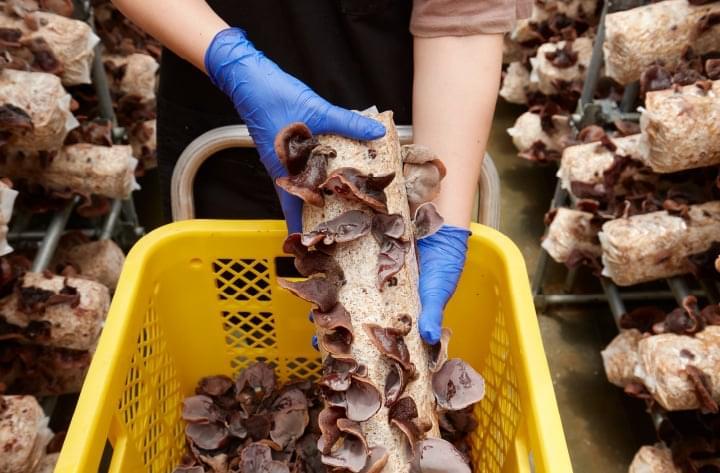
Harvest when the ears have fully expanded, the edges soften, and the ventral spores appear, as described in the supplied reference. Typically, 2–3 flushes are expected in the described production process. After harvesting, trim and grade the mushrooms before drying them into pieces or shredded products.
Climate & Environmental Control
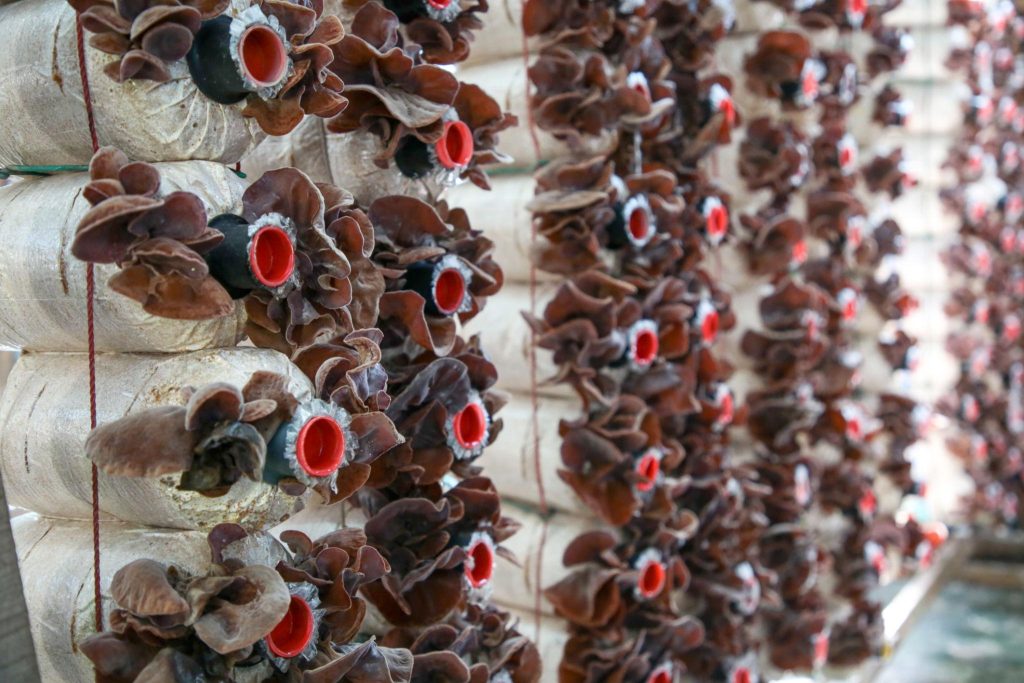
High-Humidity Environmental Control for Wood Ear Mushroom Fruiting
Wood ear cultivation moves from warm, dark incubation to temperature-shock priming and then stable, high-humidity fruiting. Each stage requires different environmental conditions.
A PLC-based environmental control system can coordinate air conditioning, humidification, ventilation, and water atomization. Your supplied specification identifies a humidity control accuracy of ±3%.
During fruiting, moisture management and air exchange should be planned together. Excess humidity combined with poor ventilation or persistent surface water can increase the risk of yellowing and rot.
Recommended Equipment
Equipment for Commercial Wood Ear Mushroom Production
Choose equipment according to your substrate formula, bottle specifications, target output, labor plan, and facility layout.
|
Process |
Core Equipment |
|
Raw material prep |
Sawdust/corncob/straw crusher |
|
Mixing |
Horizontal mixer, self-propelled turner |
|
Bagging |
Automatic bagging machine, collar & cap applicator |
|
Sterilization |
Autoclave / atmospheric sterilizer, steam generator |
|
Inoculation |
FFU, clean bench, air shower, liquid spawn fermenter, automatic inoculator |
|
Environment |
Industrial AC, ultrasonic humidifier, ventilation fan, water curtain cooler, PLC |
|
Auxiliary |
Water injector (multi-flush) |
|
Post-harvest |
Stem cutter, weight sorter, slicer, hot air dryer |
|
Consumables |
PP bags, collars & caps, baskets, racks |
Build an Integrated Wood Ear Mushroom Production Line
An integrated production line connects raw material preparation, bagging, sterilization, inoculation, environmental management, and post-harvest processing. Equipment capacities should be coordinated with the planned output and growing-room arrangement.
Growing Room Design
Growing Room Design
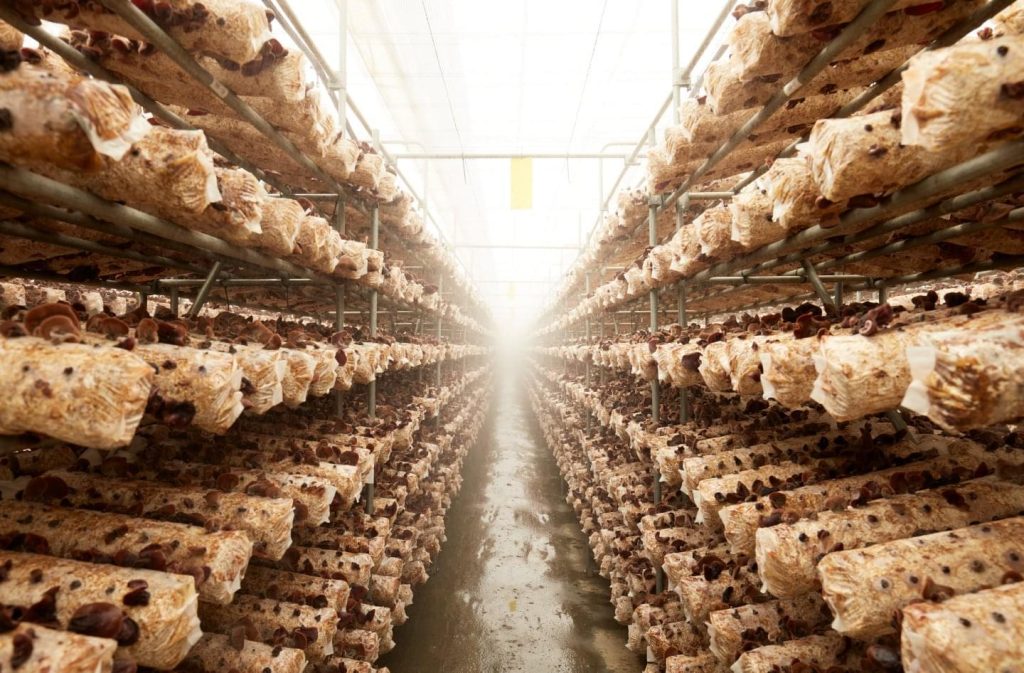
A clear production layout and controlled growing environment help coordinate incubation, fruiting, and processing operations.
Linear zoned flow.
Incubation rooms: insulated panels, multi-tier racks, full dark.
Fruiting rooms: waterproof anti-slip anti-corrosion flooring, uniform air distribution, adjustable lighting, channel layout. Greenhouse/container systems for fast market entry.
Scalable Production
Wood Ear Mushroom Farming Solutions for Different Production Scales
Production systems can be configured for small farms, regional exporters, and large-scale dried wood ear suppliers.
Small Scale
Below 1 ton
Semi-automated production for small farms and start-ups
Medium Scale
1 – 5 tons
Automated line with sterilization and liquid spawn equipment for regional exporters
Large Scale
5 – 20 tons
Fully automated production for national and export supply chains
Extra-large Scale
Above 20 tons
Integrated multi-line production for large dried wood ear exporters
Actual capacity depends on substrate preparation, cultivation conditions, growing-room capacity, flush management, and the production schedule. Final equipment configuration should reflect the project’s target output and facility conditions.
Troubleshooting
Common Wood Ear Mushroom Growing Problems & Solutions
Deformed, thin, discolored ears:
high CO₂ / low light / high temp / direct airflow
→ keep CO₂ below 2000ppm, add 300–800lux, stabilize 20–25°C, optimize airflow.
Few primordia, uneven fruiting:
immature mycelium / weak temperature shock / low moisture
→ extend post-ripening, apply 5–8°C day-night shock, maintain high humidity.
Yellowing, rotting ears:
excess humidity / poor ventilation / surface water / high temp
→ reduce RH to ~85%, ventilate, air atomization only, remove diseased ears promptly.
Frequently Asked Questions
FAQ About Wood Ear Mushroom Cultivation
How Do You Grow Wood Ear Mushrooms?
Commercial wood ear cultivation typically uses a bag-based production system. The process includes substrate preparation, bag filling, sterilization, inoculation, incubation, primordia induction, fruiting, and post-harvest processing.
What Substrate Is Used for Wood Ear Mushroom Cultivation?
The supplied reference formulation includes broadleaf sawdust, cottonseed hulls, corncobs, wheat bran, corn flour, lime, and gypsum. The choice of raw materials should be considered together with substrate preparation and the requirements of the growing process.
What Conditions Are Important for Growing Wood Ear Mushrooms?
The reference process uses an incubation temperature of 24–26°C, primordia conditions of 18–22°C, and fruiting temperatures of 20–25°C. Humidity, CO₂, light, and ventilation also need to be managed according to the production stage.
What Equipment Is Needed for Commercial Wood Ear Mushroom Farming?
Typical equipment includes raw material crushers, substrate mixers, automatic bagging machines, sterilization systems, inoculation equipment, environmental control systems, water supplementation equipment, and post-harvest processing machinery. The final configuration depends on target production capacity and facility requirements.
Related Black Fungus Mushroom Equipment
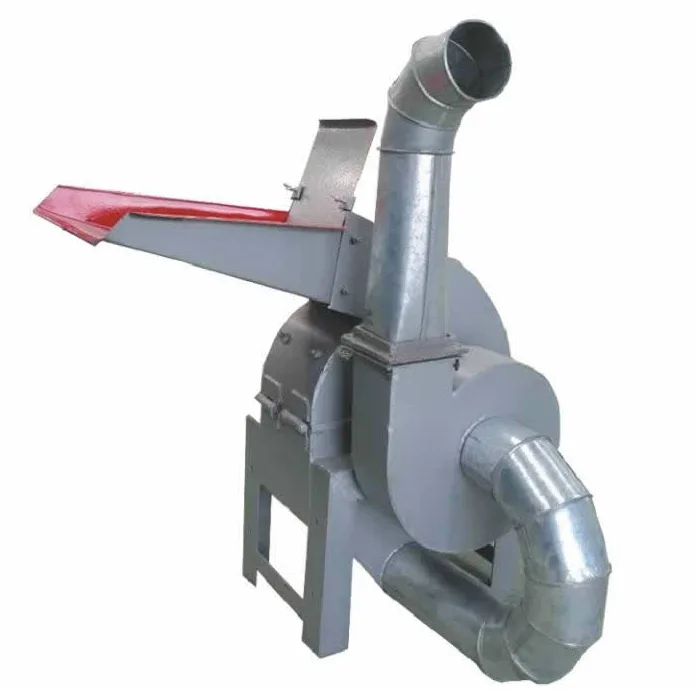
CRXH600A Corn Cob Crusher
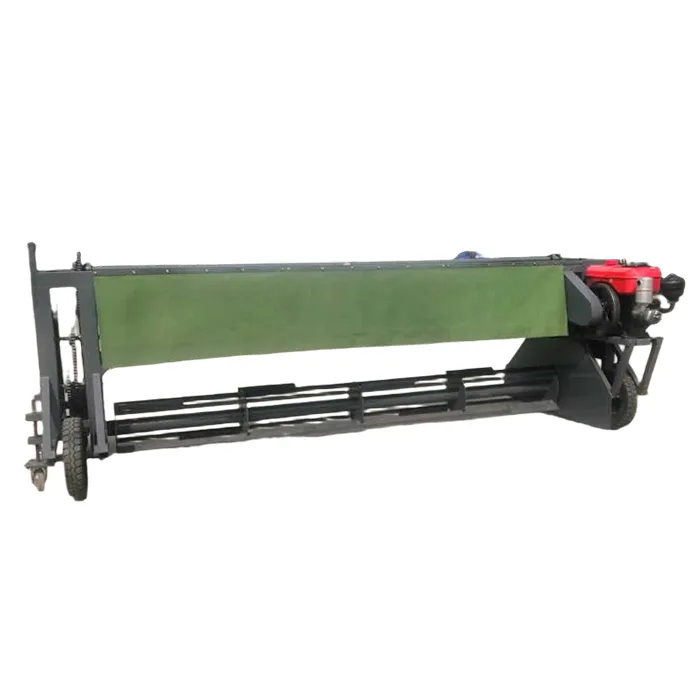
TUXH2MA Gantry Compost Turner
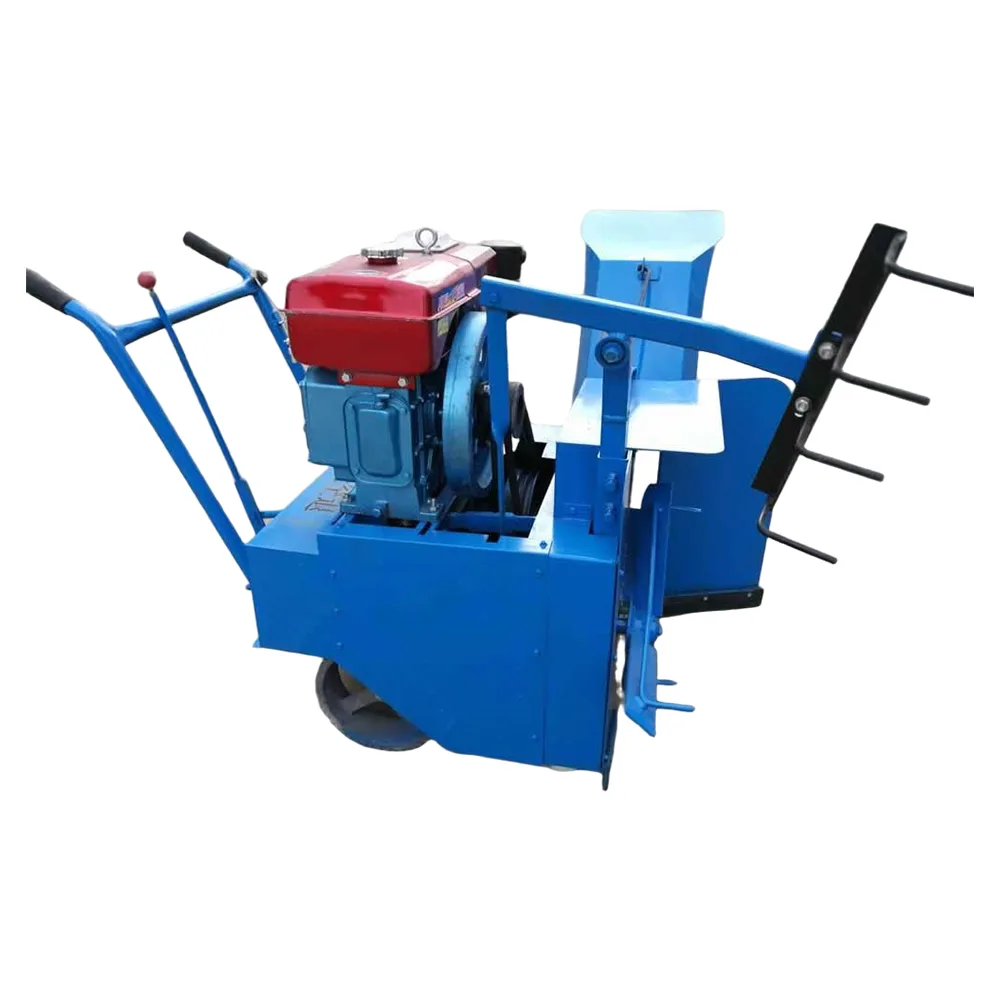
TUXH8000A Gantry Compost Turner for Mushroom Cultivation
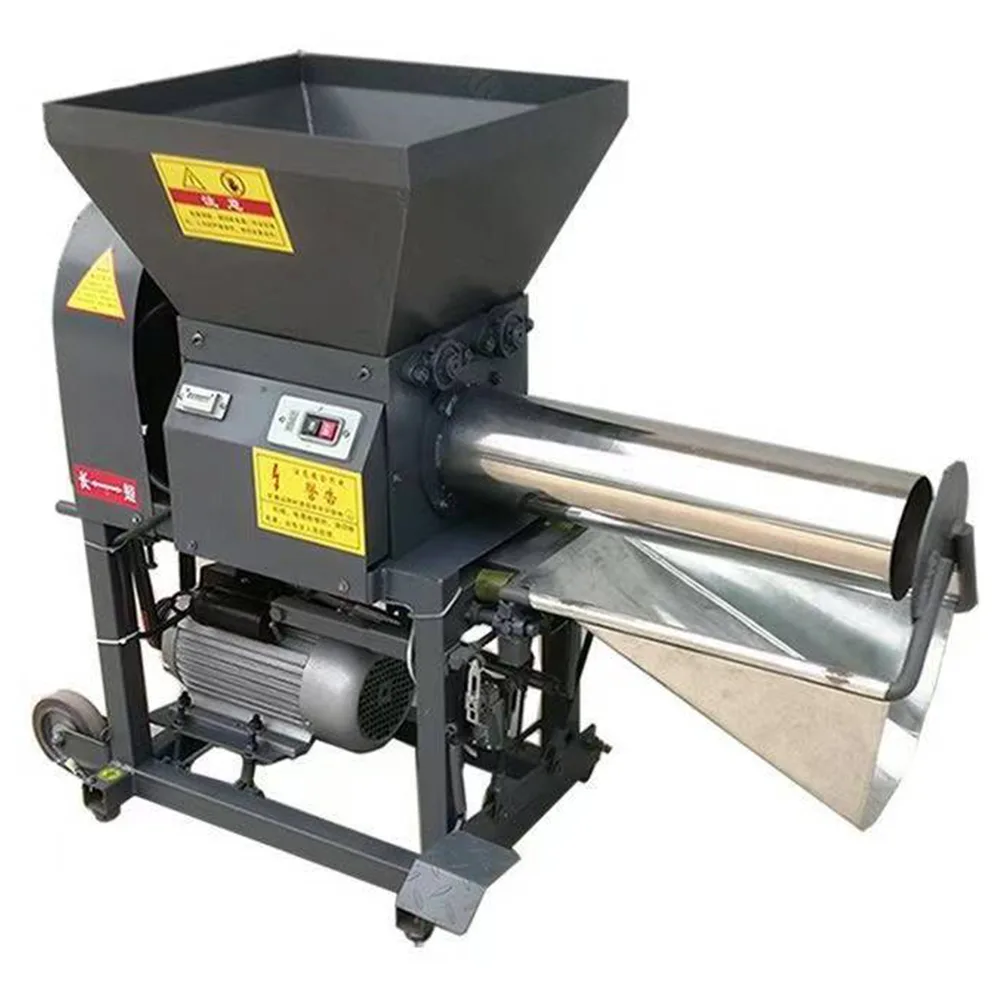
BMXH800A Pedal Bag Filling Machine
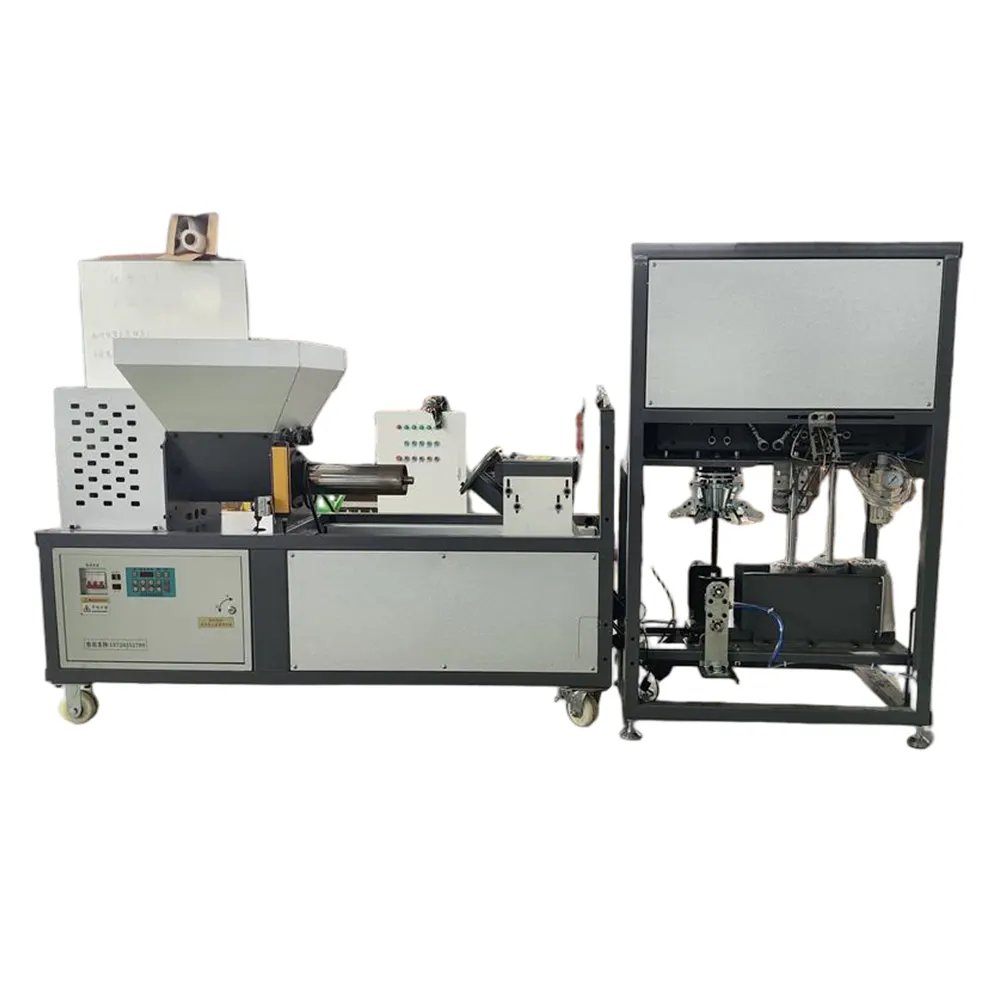
BMCXH1000A Automatic Mushroom Bag Filling Recessing
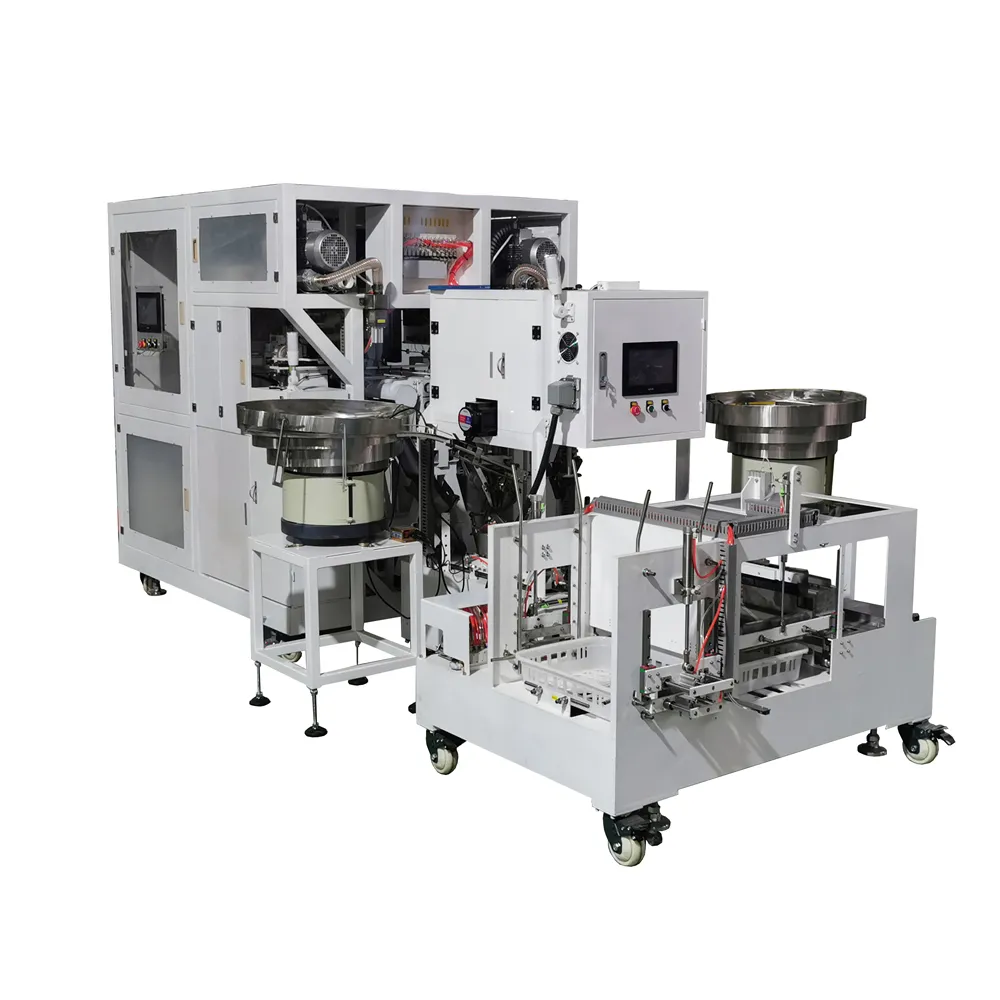
BMCXH1400B Fully Automatic Mushroom Bag Recessing
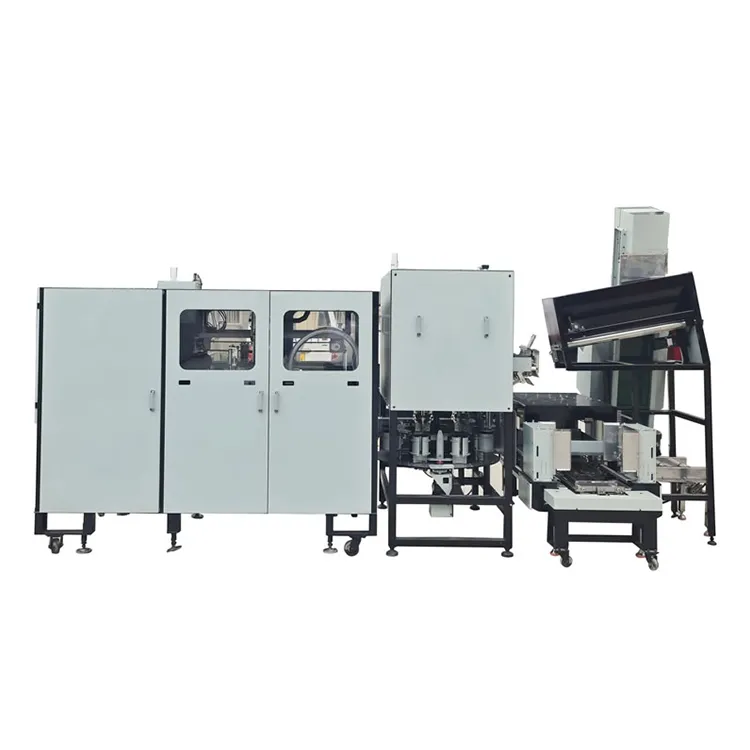
BMCXH1800A Auto Bagging + Recessing + Stick-Insertion Combined Machine
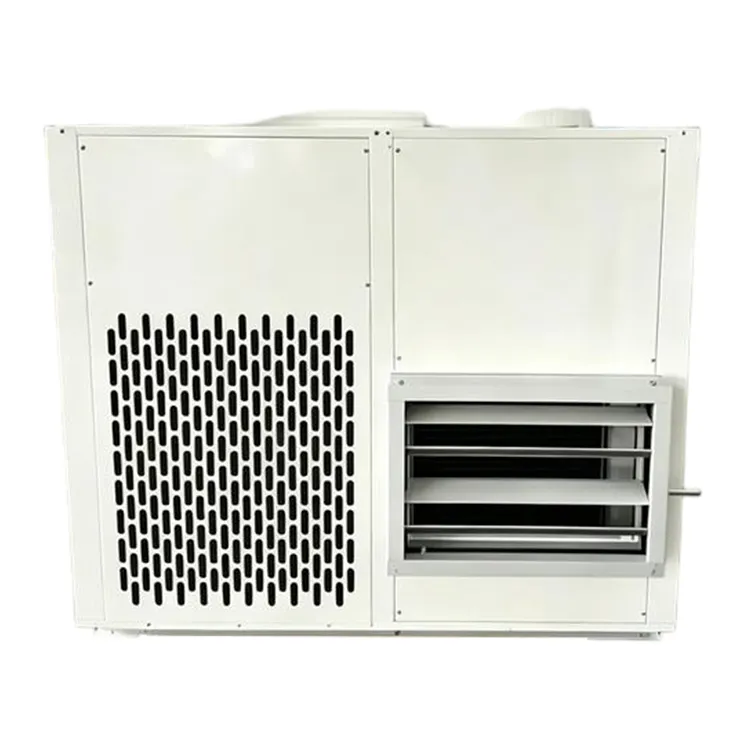
ACXH5300A Mushroom Farm Air Conditioner
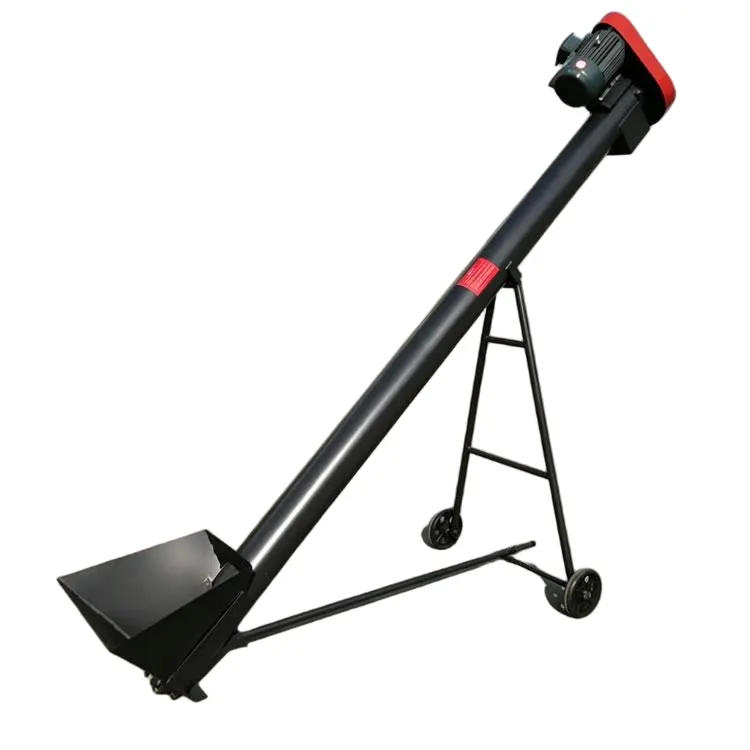
SCXH800A Screw Conveyor
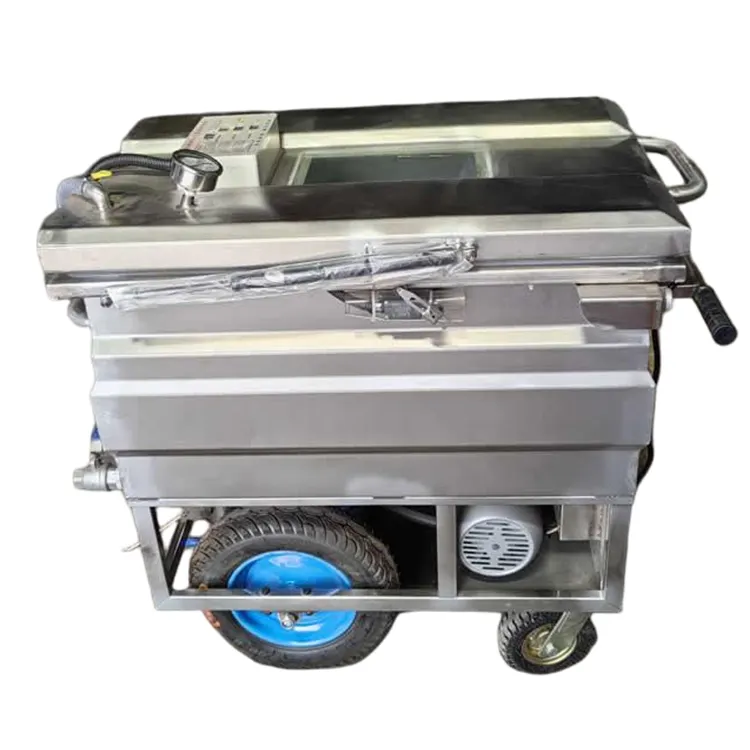
NPSMXH700A and NPSMXH1000A Dual-Station Vacuum Rehydration Machines
Discuss Your Project
Looking for a Commercial Wood Ear Mushroom Growing Solution?
Tell us about your production goals, available building space, raw materials, and automation requirements. Our team can help you evaluate equipment options and plan a suitable wood ear mushroom production workflow.