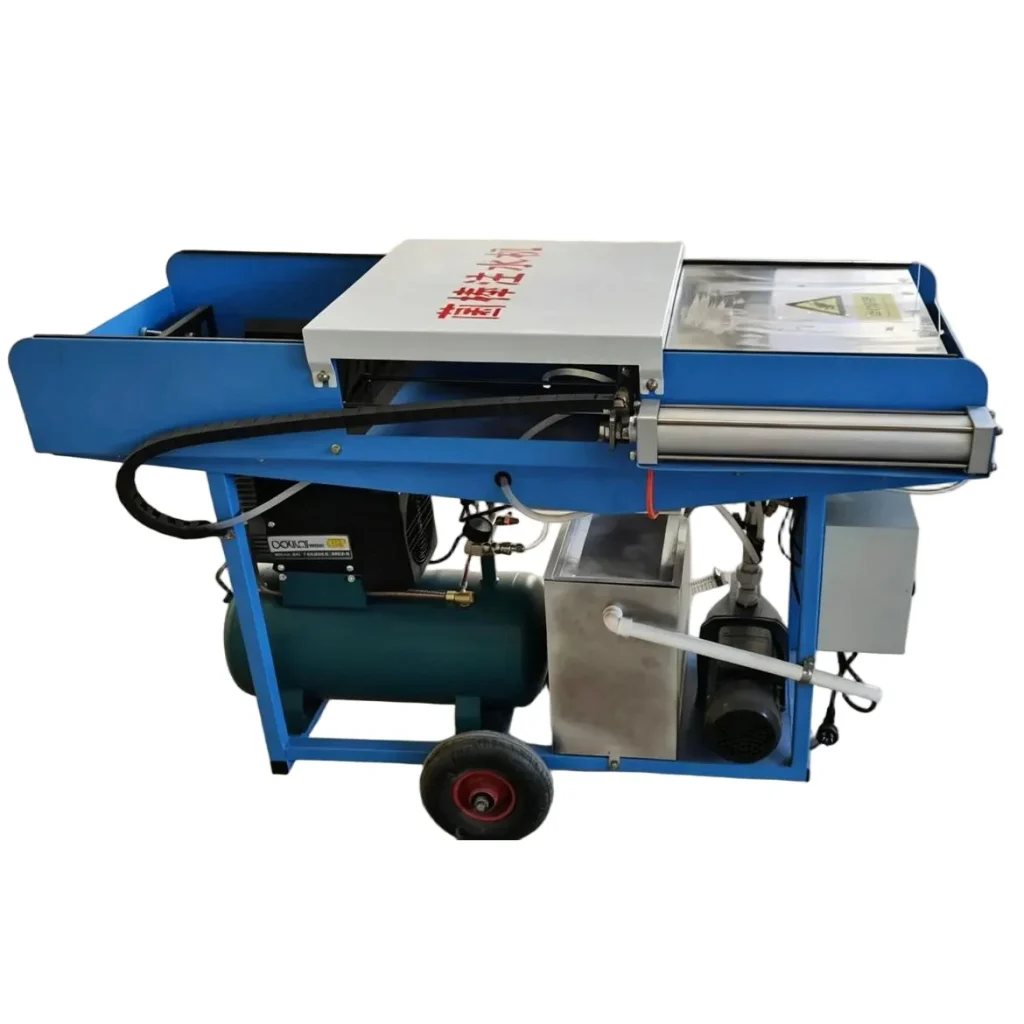











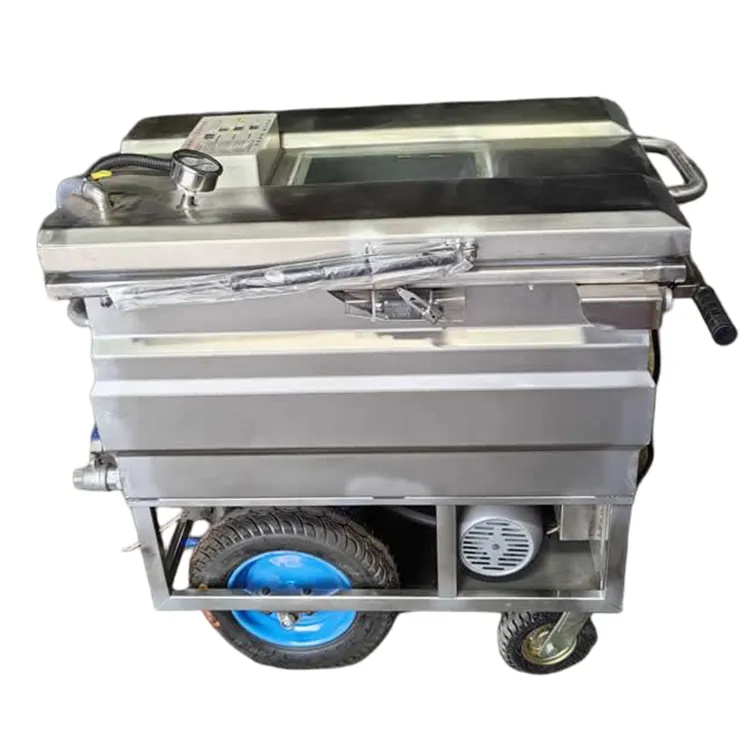
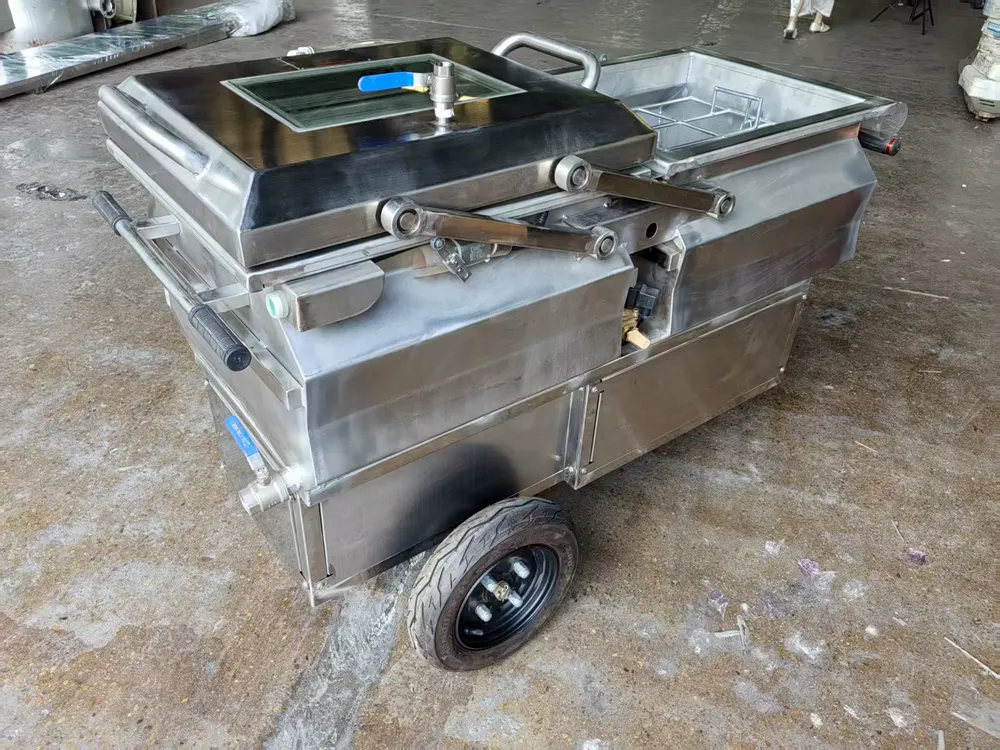
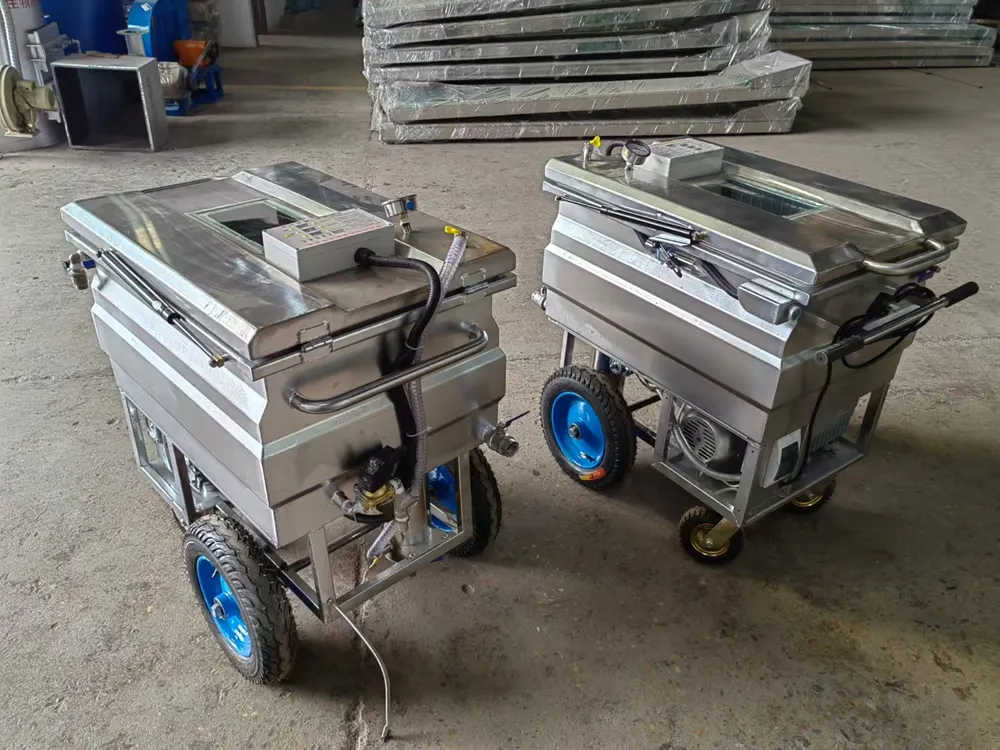
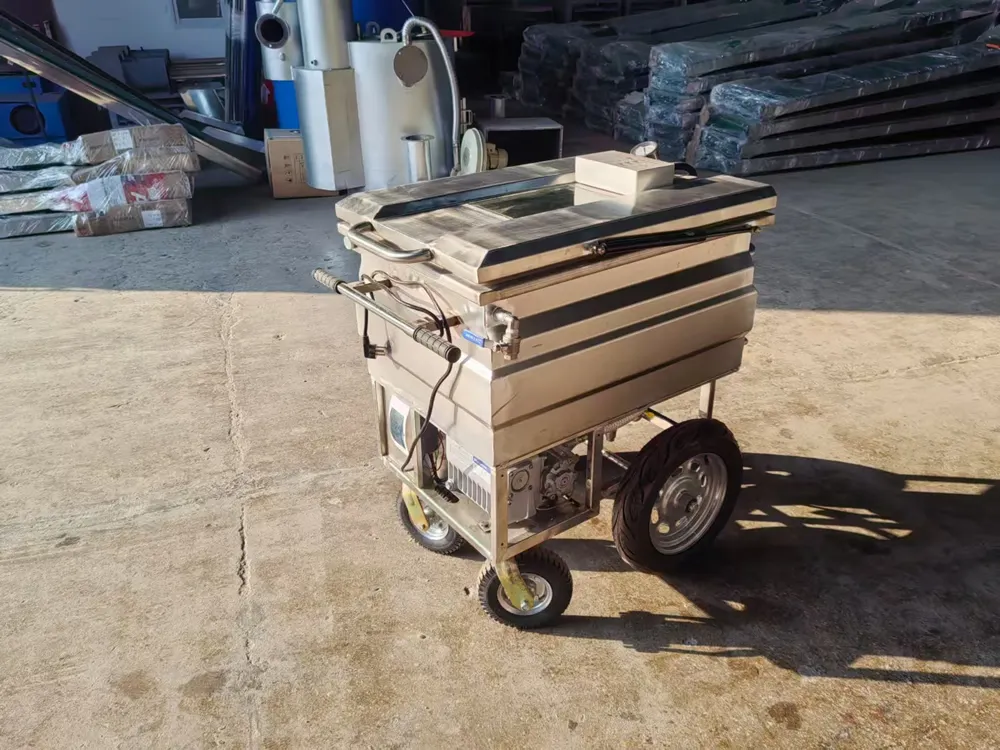
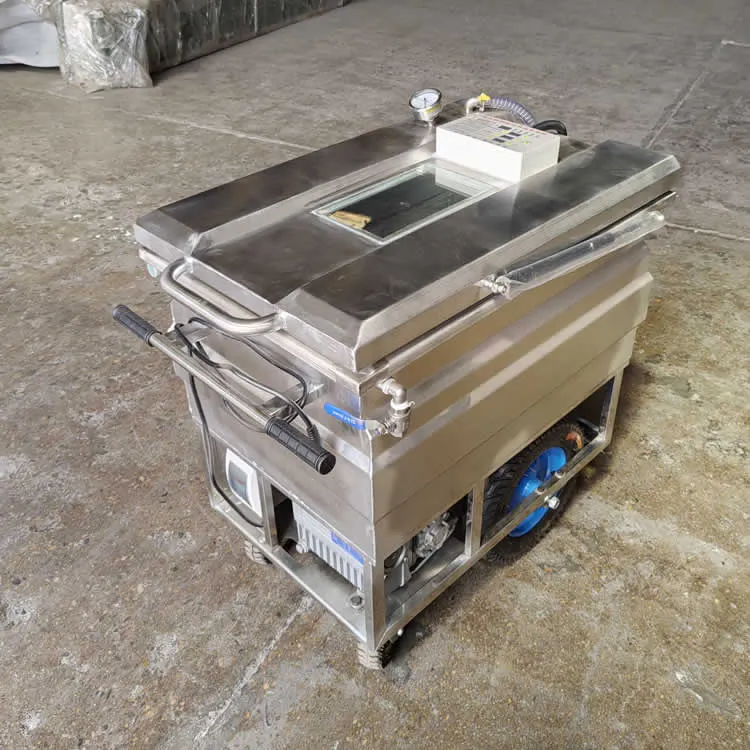
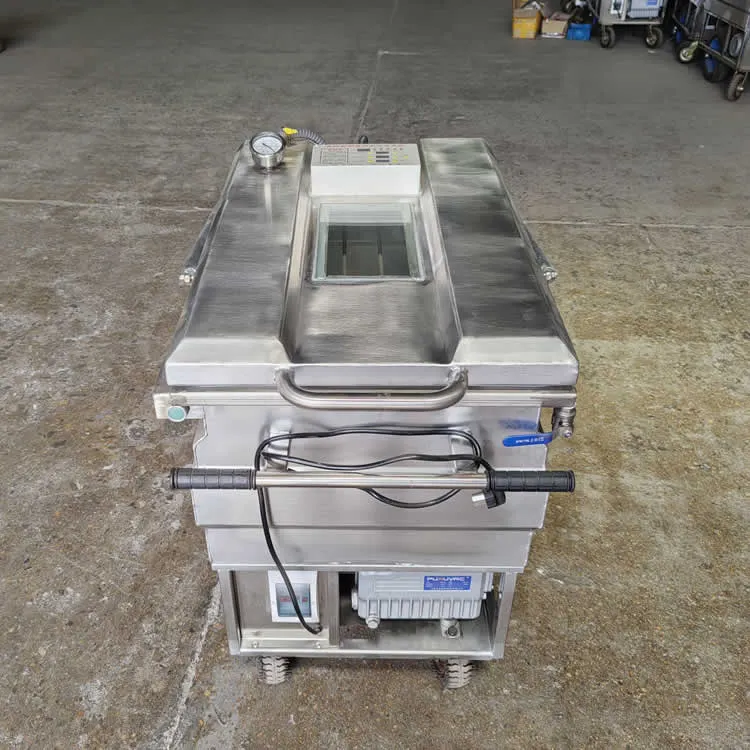
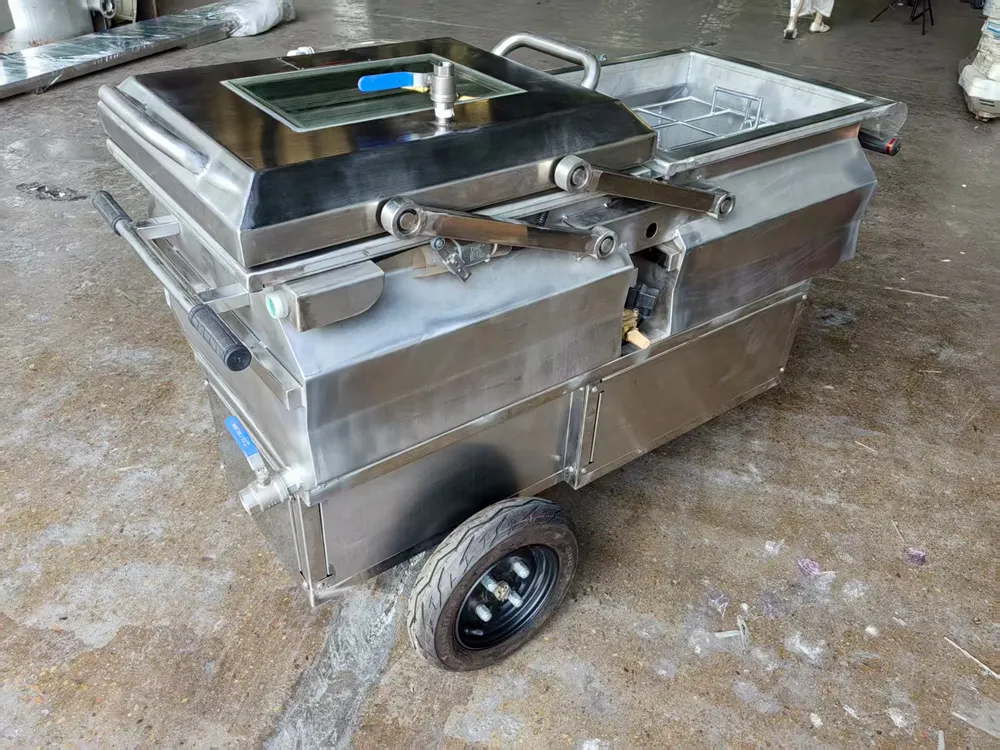
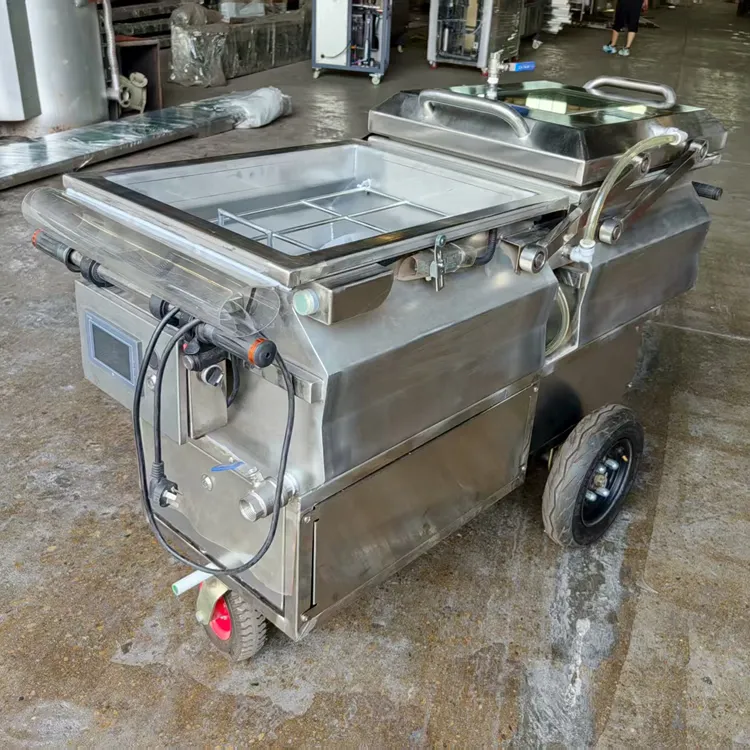
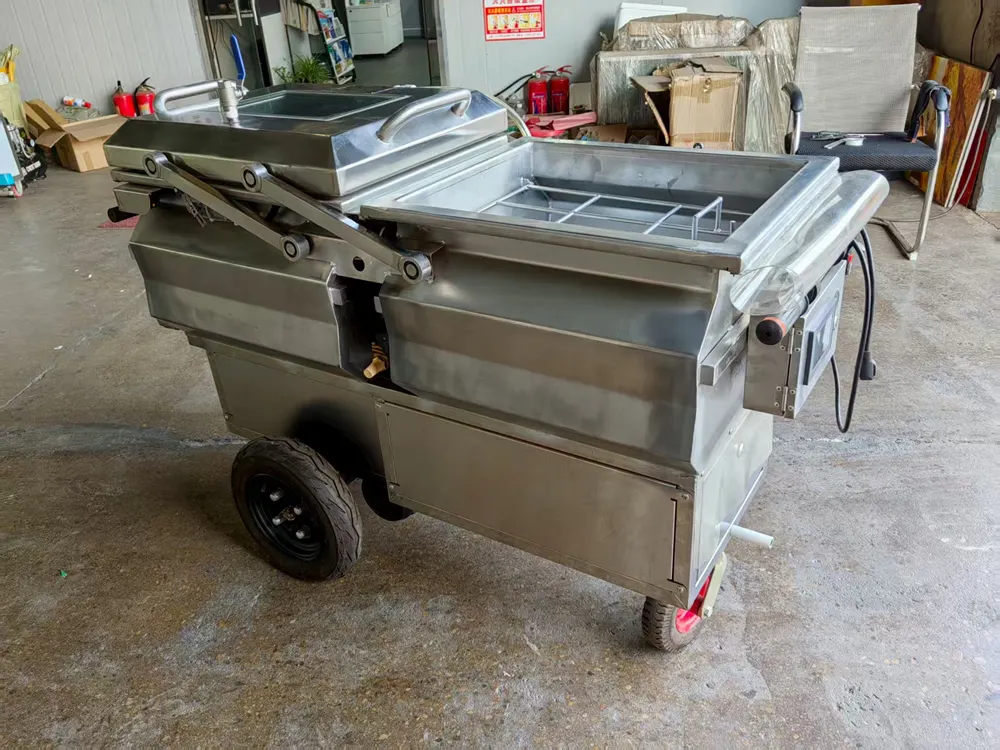
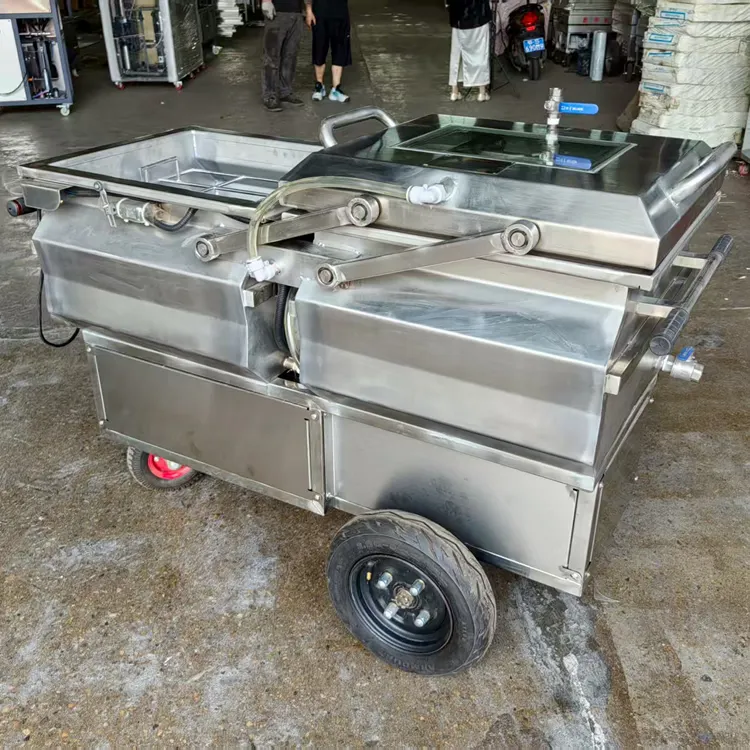
Dual-Station Vacuum Rehydration Machine NPSMXH700A / NPSMXH1000A
Рабочий диаметр 2 м портального ворошителя компоста NPSMXH700A and NPSMXH1000A Dual-Station Vacuum Rehydration Machines are stainless-steel mushroom substrate block rehydration systems that use a sealed tank and vacuum-pressure difference to draw water into the internal structure of dry mushroom blocks, providing more controlled and uniform moisture replenishment than conventional surface soaking methods.
Основные технические характеристики
|
Спецификация |
NPSMXH700A |
NPSMXH1000A |
|
Тип машины |
Single-Station Vacuum Rehydration Machine |
Dual-Station Vacuum Rehydration Machine |
|
Machine Size |
93 × 60 × 95 cm |
138 × 63 × 100 cm |
|
Tank Inner Size |
75 × 47 × 37 cm |
53 × 43 × 36 cm |
|
Мощность |
220 V / 60 Hz / 900 W |
Vacuum pump: 0.9 kW |
|
Производительность |
400–700 bags/h |
700–1000 bags/h |
|
Вес |
93 kg |
Approx. 160 kg |
|
Stainless Steel Thickness |
3 mm |
3 mm |
|
Tank Design |
Sealed water tank |
Sealed water tank |
|
Rehydration Method |
Vacuum negative-pressure infiltration |
Vacuum negative-pressure infiltration |
|
Working Stations |
1 |
2 |
Основные характеристики
- Vacuum negative-pressure rehydrationfor cultivated mushroom substrate blocks.
- Sealed water tank design creates a controlled pressure difference between the tank environment and the inside of the mushroom blocks.
- Helps water penetrate into the internal structure of the substrate rather than relying only on surface wetting.
- Rehydration time and vacuum level can be adjusted according to the condition of the mushroom blocks.
- NPSMXH700A:single-station configuration with a capacity of 400–700 bags/h.
- NPSMXH1000A:dual-station configuration with a capacity of 700–1000 bags/h.
- 3 mm stainless-steel construction provides a robust structure for regular farm use.
- Compact equipment footprint makes it suitable for mushroom farms with limited processing space.
Принцип работы
The NPSMXH series uses vacuum negative-pressure infiltration rather than simply spraying or soaking the outside of a mushroom block.
Load the Mushroom Blocks
Cultivated mushroom bags or substrate blocks requiring moisture replenishment are placed inside the sealed water tank or designated working station.
Add Water
Water is introduced into the tank according to the required rehydration process. The mushroom blocks are positioned so that the water can contact the relevant surfaces of the blocks.
Seal the Tank
The tank is closed to create a sealed working environment. This allows the vacuum pump to establish the required pressure difference.
Create Negative Pressure
The vacuum pump removes air from the sealed tank and the air contained within the mushroom blocks. This creates a negative-pressure environment around the cultivation blocks.
Vacuum-Assisted Water Penetration
Once the pressure difference is established, water is driven into the internal pores and structure of the mushroom substrate. Compared with simple surface soaking, this process is intended to promote more effective internal moisture replenishment.
Adjust the Rehydration Process
The vacuum level and processing time can be adjusted according to the dryness and condition of the mushroom blocks. This allows growers to establish different operating parameters for different cultivation conditions.
Suitable Raw Materials and Mushroom Species
Compatible substrate materials may include prepared mushroom cultivation media based on:
- Опилки
- Древесная щепа
- Сельскохозяйственные растительные остатки
- Corn-based cultivation materials
- Wheat or rice straw-based substrate
- Other prepared mushroom growing media
The equipment is particularly relevant to bag-grown or block-grown mushrooms where the substrate needs controlled moisture replenishment during production.
Potential mushroom applications include:
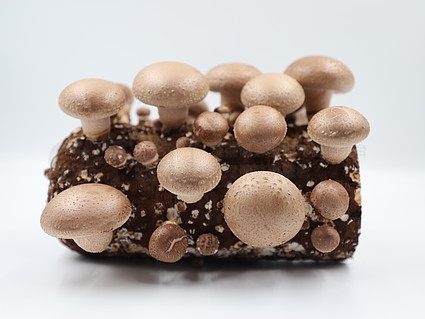
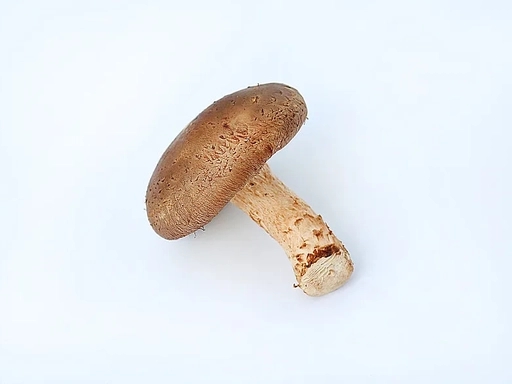
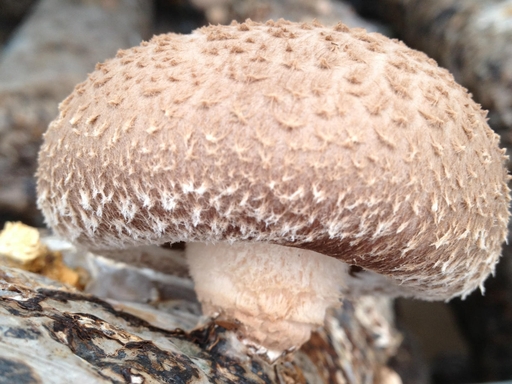
- Шиитаке
- Вешенка обыкновенная
- Древесный гриб (аурикулярия)
- Black fungus
- Эринги (вешенка степная)
- Гриб-львиная грива
- Other edible mushrooms using compatible bag or block cultivation methods
Actual suitability should be confirmed according to the mushroom species, bag dimensions, substrate formulation, and cultivation process.
Suitable Mushroom Species
Вешенка обыкновенная (Pleurotus ostreatus)
Commonly produced using large quantities of bag cultivation systems.
Эринги (Pleurotus eryngii)
Suitable for industrial-scale cultivation waste recycling.
Гриб шиитаке (Lentinula edodes)
Processes spent sawdust-based cultivation bags.
Чёрный древесный гриб (Auricularia auricula-judae)
Suitable for short-bag cultivation waste.
Гриб эноки (Flammulina velutipes)
Applicable for commercial production waste treatment.
Другие съедобные грибы
Включая:
- Гриб вешенка
- Гриб агроцибе
- Гриб рейши
- Other bag-grown mushroom varieties
Производительность / Масштаб производства и уровень автоматизации
The two models provide different processing capacities for different farm scales.
NPSMXH700A — Single Station
The NPSMXH700A processes approximately 400–700 bags per hour and uses a single working station. Its relatively compact dimensions of 93 × 60 × 95 cm and 93 kg weight make it suitable for small and medium-sized mushroom farms or production areas where equipment mobility and space efficiency are important.
NPSMXH1000A — Dual Station
The NPSMXH1000A uses a dual-station configuration and provides a capacity of approximately 700–1000 bags per hour. With a machine size of 138 × 63 × 100 cm and weight of approximately 160 kg, it is intended for higher-throughput mushroom production operations.
Уровень автоматизации
The NPSMXH series can be described as a mechanized/semi-automated rehydration system. The vacuum generation and rehydration process are handled by the equipment, while operators are responsible for loading and unloading mushroom blocks and setting the appropriate working parameters.
Actual throughput depends on factors such as:
- Mushroom block size
- Number of blocks loaded per cycle
- Required vacuum level
- Rehydration time
- Operator loading/unloading speed
- Substrate moisture condition
Интеграция с оборудованием для производства грибов
Вспомогательное оборудование на входе
- Смеситель субстрата– prepares a uniform mushroom cultivation substrate.
- Машина для фасовки грибного субстрата в мешки– fills cultivation bags with prepared substrate.
- Sterilizer / Autoclave– sterilizes filled substrate bags.
- Inoculation Machine– introduces mushroom spawn.
- Incubation Racks– organize mushroom blocks during colonization.
Вспомогательное оборудование на выходе
- Fruiting Racks– hold rehydrated mushroom blocks.
- Fruiting Room / Container Growing Room– provides controlled fruiting conditions.
- Ultrasonic Humidifier– manages humidity in the growing environment.
- HVAC System– helps regulate temperature and air conditions.
Mushroom Cultivation Conveyor – transfers bags or blocks between processing areas.
Сервис и часто задаваемые вопросы
Монтаж и обслуживание
Монтаж и пусконаладка
Guidance can cover machine positioning, electrical connection, vacuum-system setup, water filling, sealing checks, and initial operation.
Обучение операторов
Operators can be trained in:
- Correct mushroom block loading
- Sealed-tank operation
- Vacuum operation
- Rehydration time adjustment
- Routine cleaning
- Safe loading and unloading procedures
Spare Parts
Replacement and consumable components can be supplied according to the machine configuration and operating requirements.
Техническая поддержка
Technical assistance can be provided for operating parameter adjustment, routine maintenance, troubleshooting, and integration with the customer’s mushroom production workflow.
Послепродажное обслуживание
For commercial projects, after-sales technical support can be arranged according to the equipment supply and project requirements.
Часто задаваемые вопросы
The main difference is the working configuration and processing capacity. NPSMXH700A is a single-station model with 400–700 bags/h capacity, while NPSMXH1000A is a dual-station model with 700–1000 bags/h capacity.
Ordinary soaking mainly relies on water contacting and gradually penetrating the substrate. The NPSMXH series first creates a negative-pressure environment, helping remove air from the relevant internal spaces of the mushroom block and facilitating subsequent water penetration into the substrate structure.
Yes. The working vacuum and processing time can be adjusted according to the dryness and condition of the mushroom blocks and the requirements of the cultivation process.
It can be considered for shiitake, oyster mushroom, wood ear, black fungus, king oyster, lion’s mane, and other compatible bag- or block-grown mushrooms. The exact application should be confirmed according to the substrate and cultivation method.
The selection mainly depends on the required processing capacity and working configuration. Farms requiring approximately 400–700 bags/h can consider the NPSMXH700A, while operations requiring approximately 700–1000 bags/h can consider the NPSMXH1000A. The actual selection should also consider mushroom block size, rehydration cycle time, and available working space.