










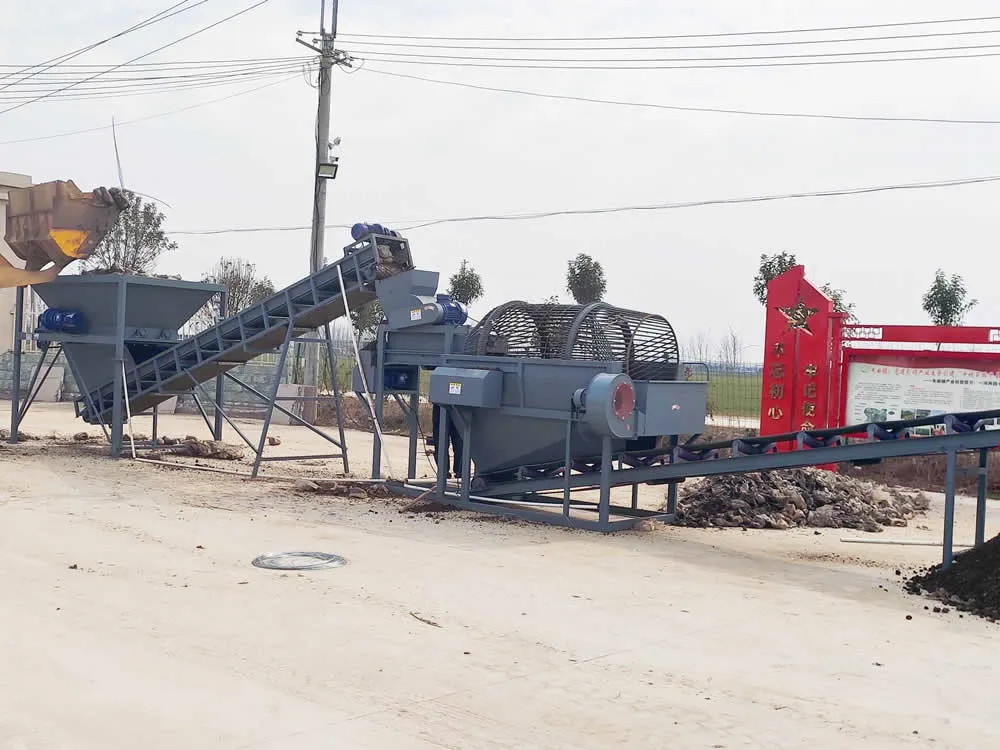
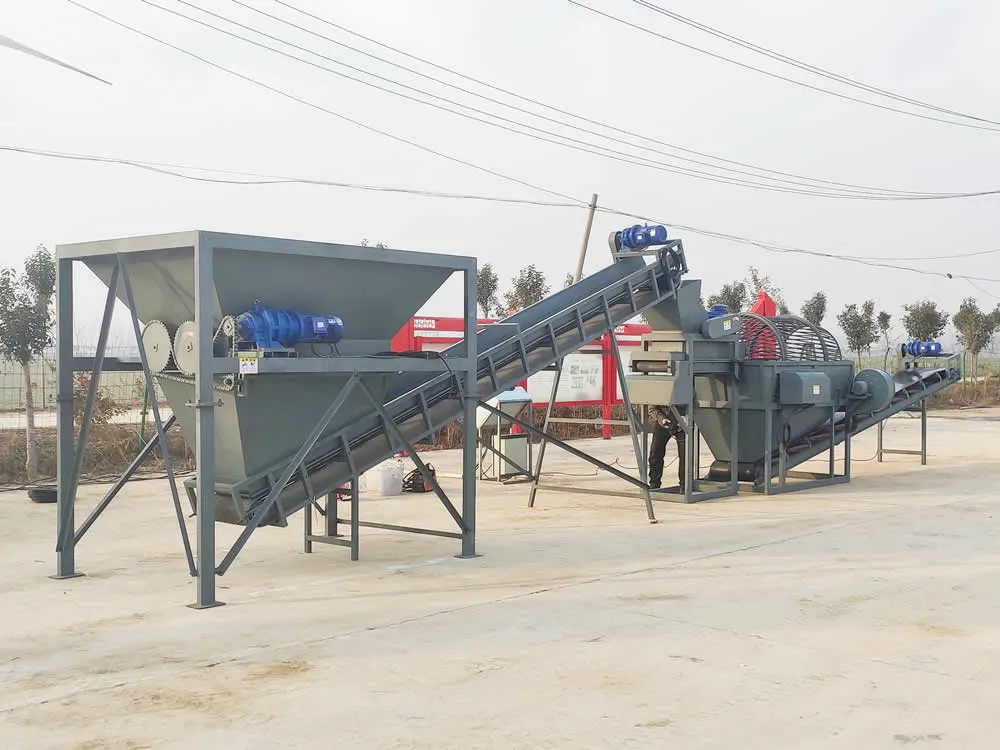
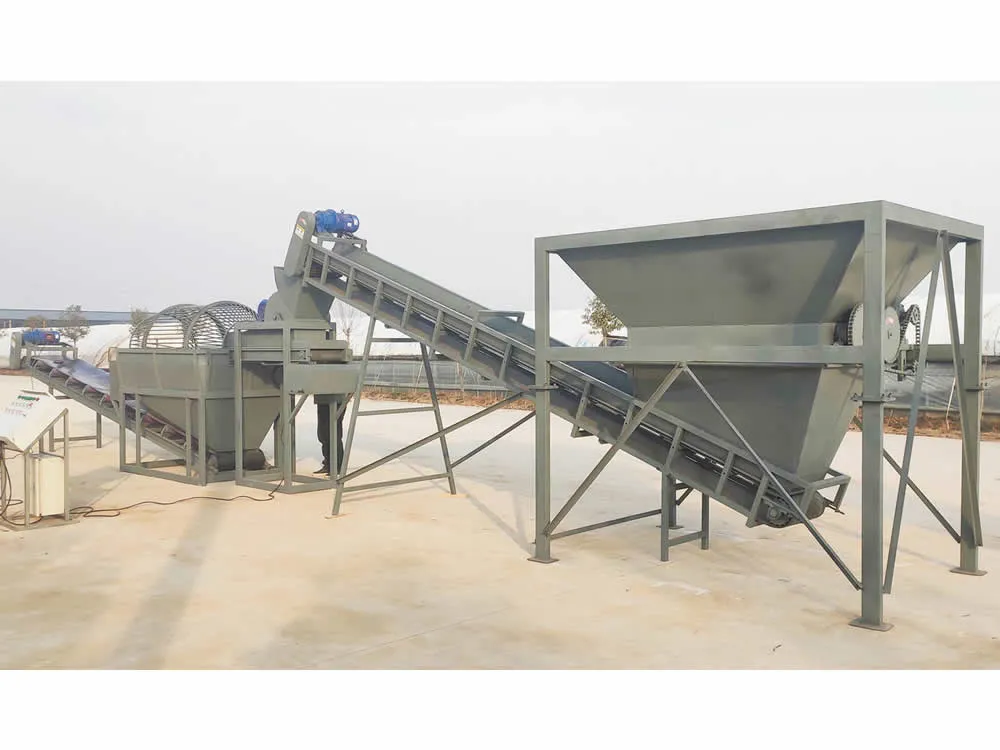
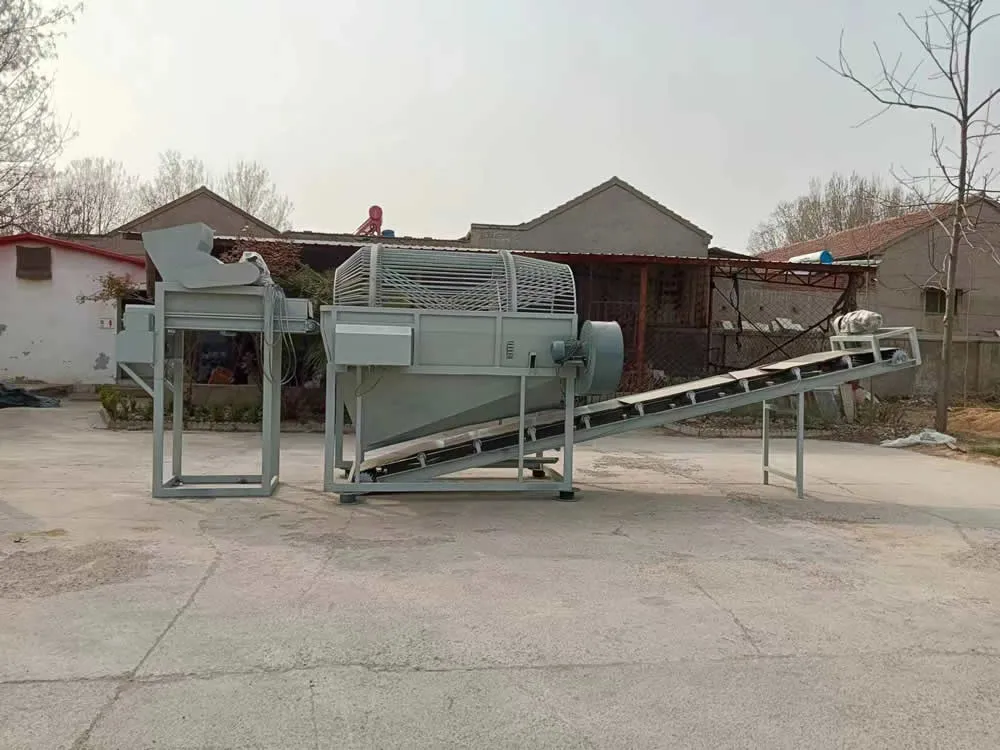
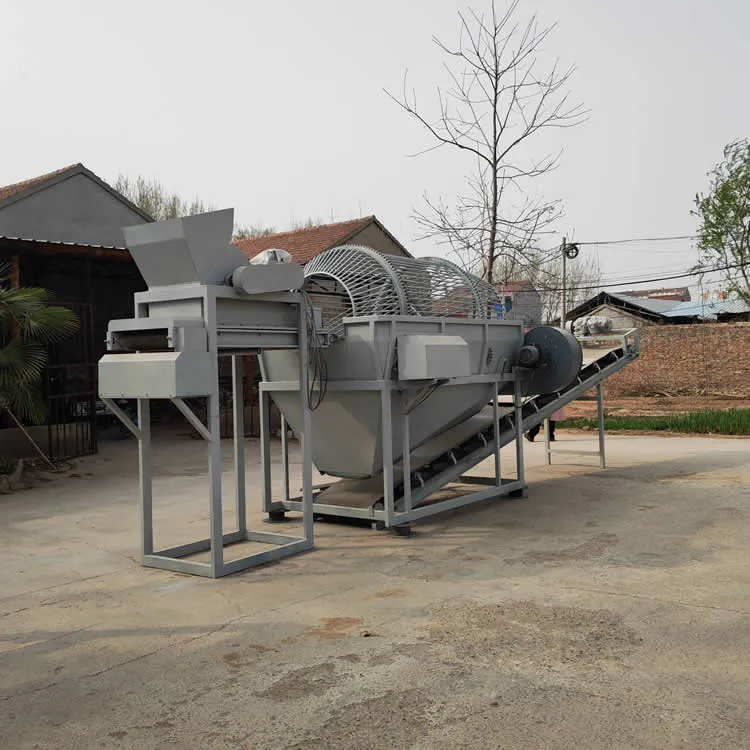
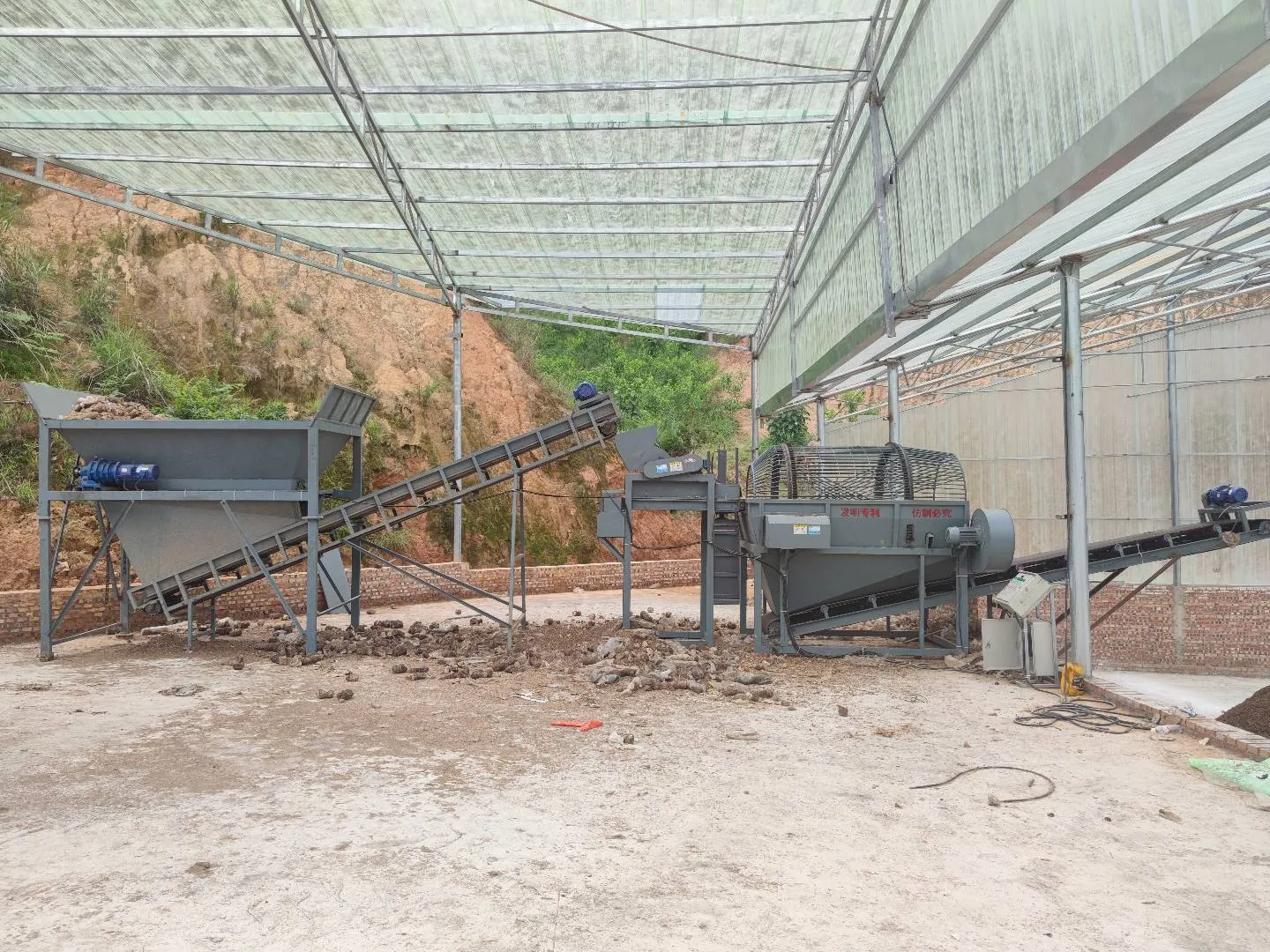
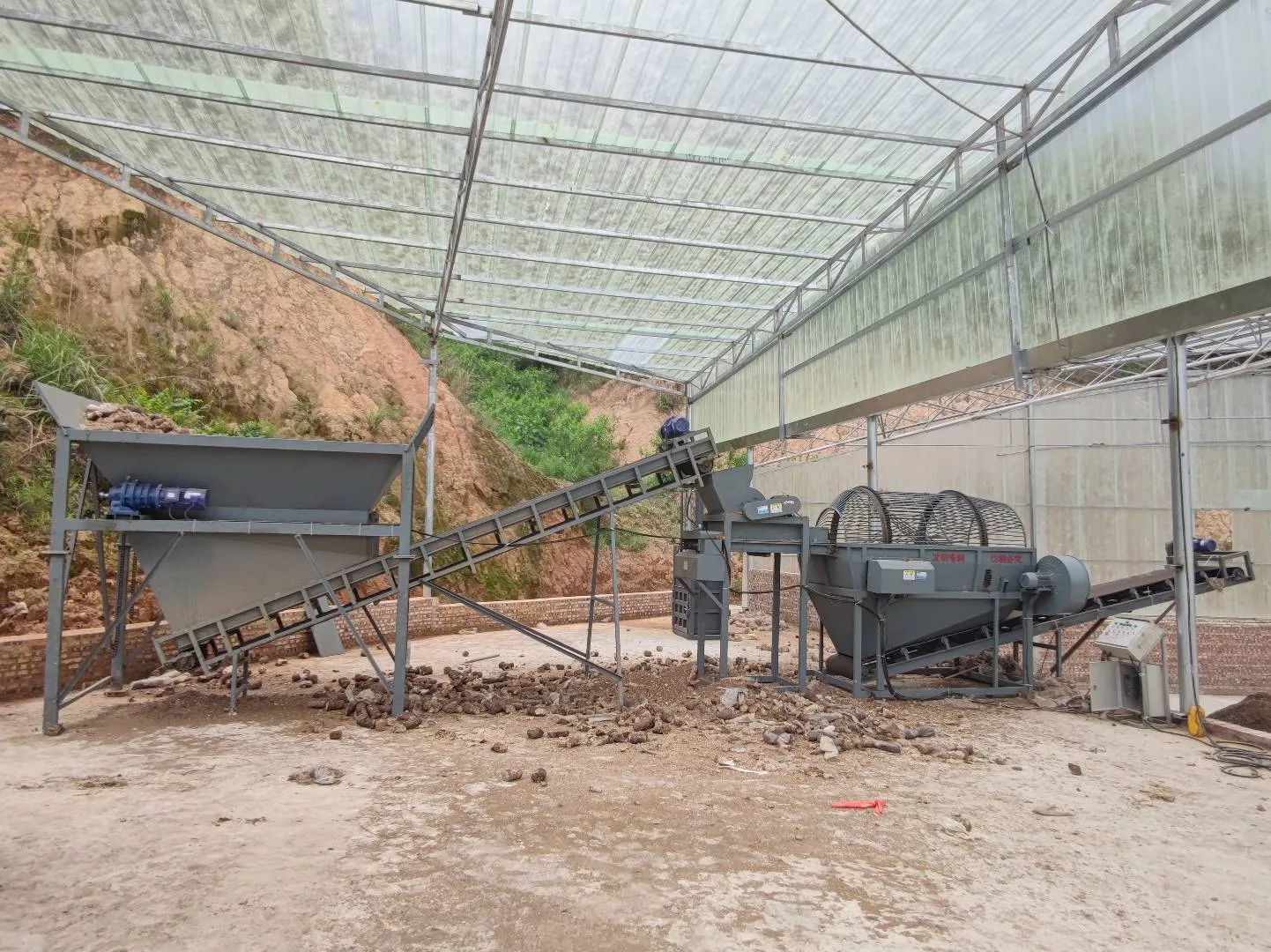
Large-Scale Bag-Stripping Line for Mushroom Waste Recycling (Industrial Mushroom Bag Separation System)
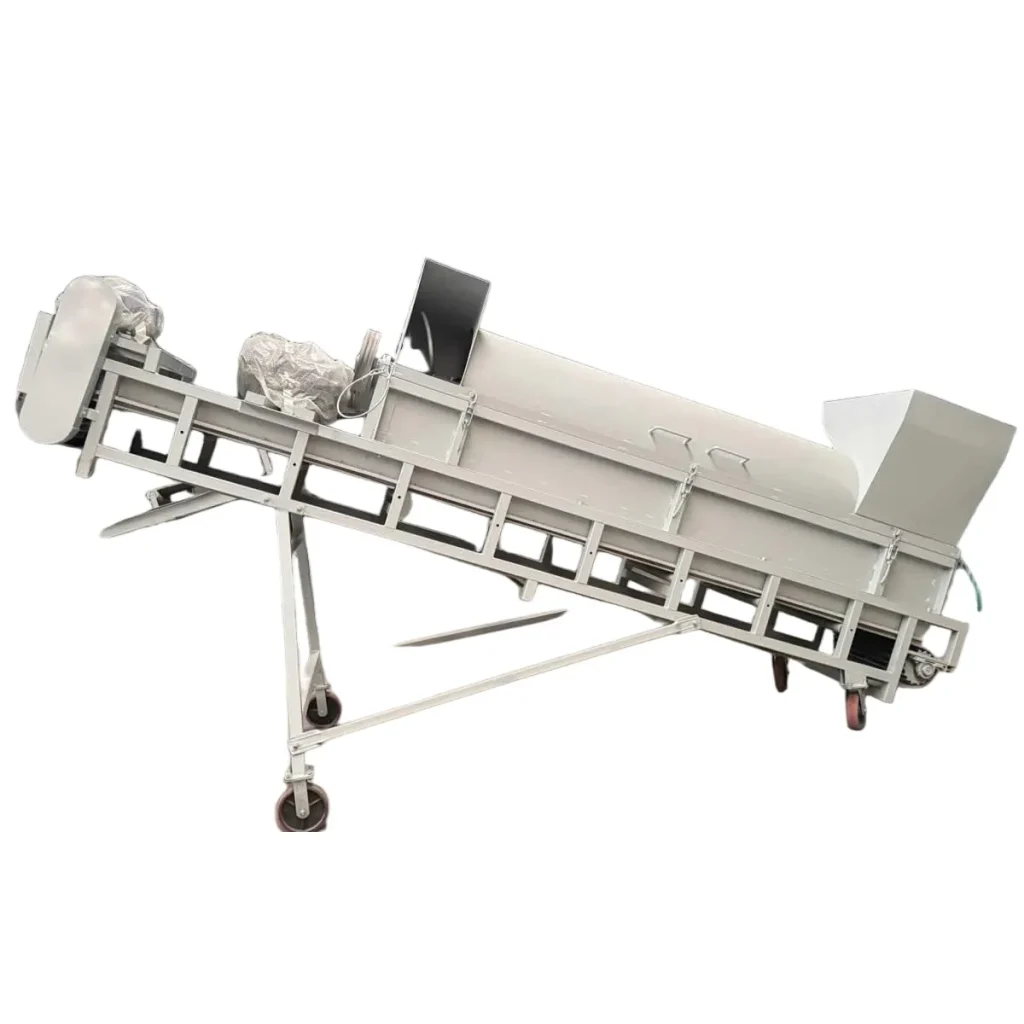
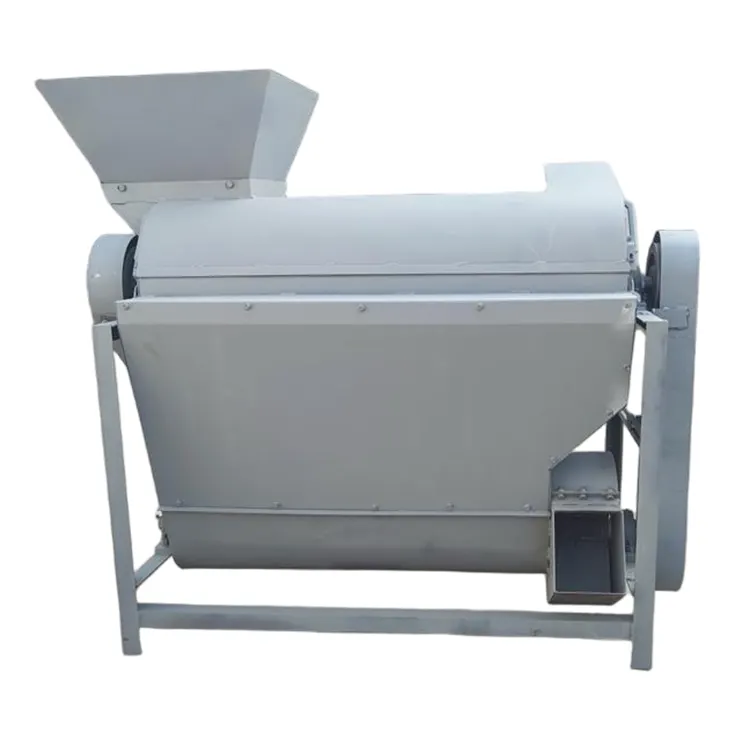
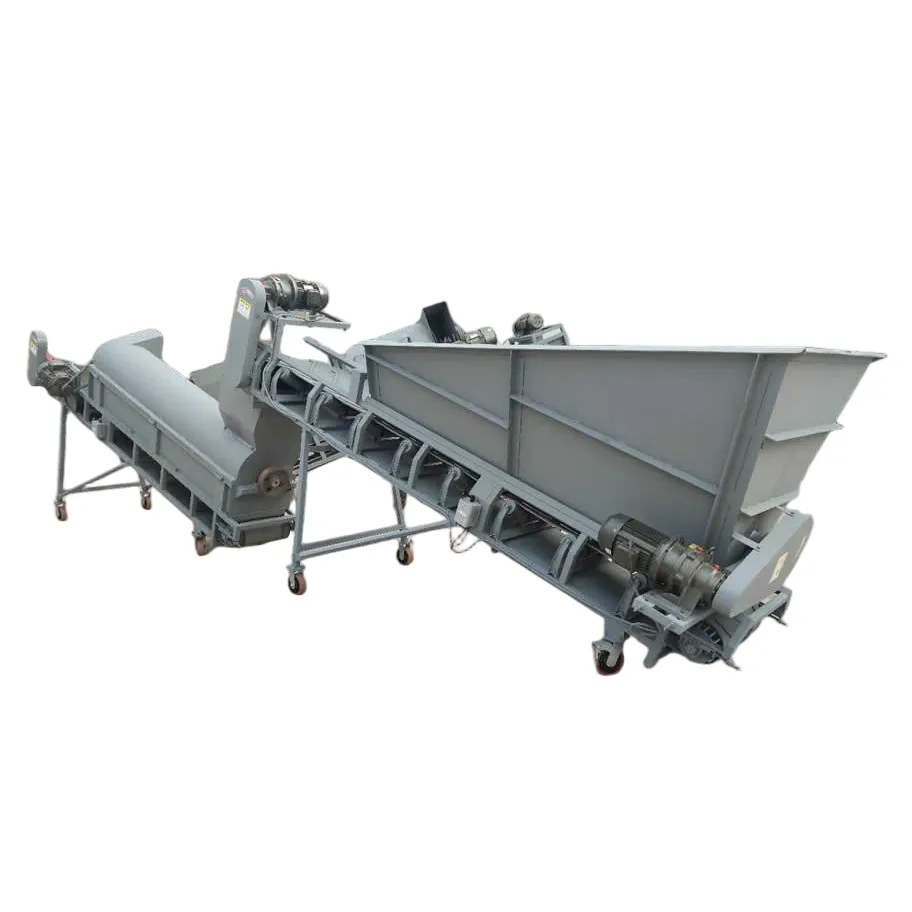
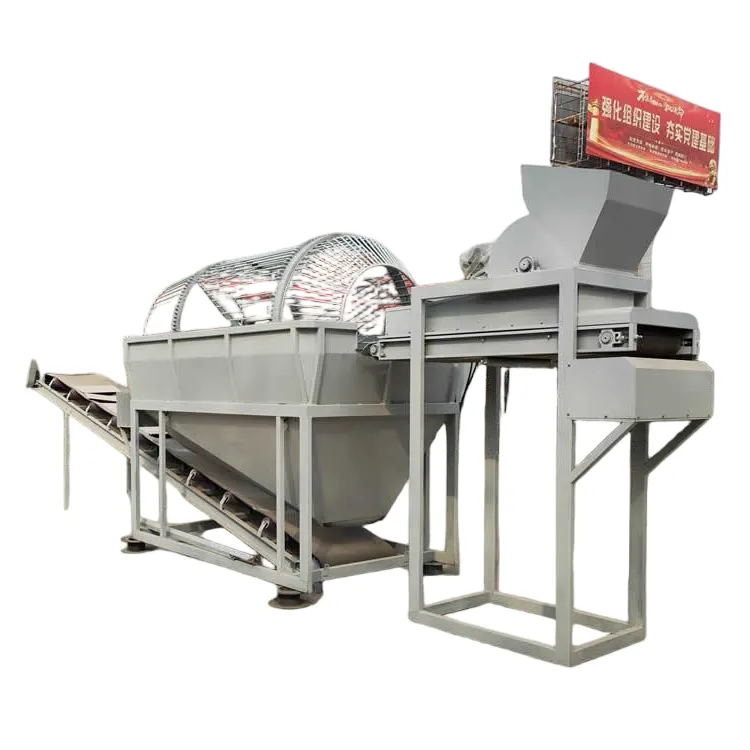
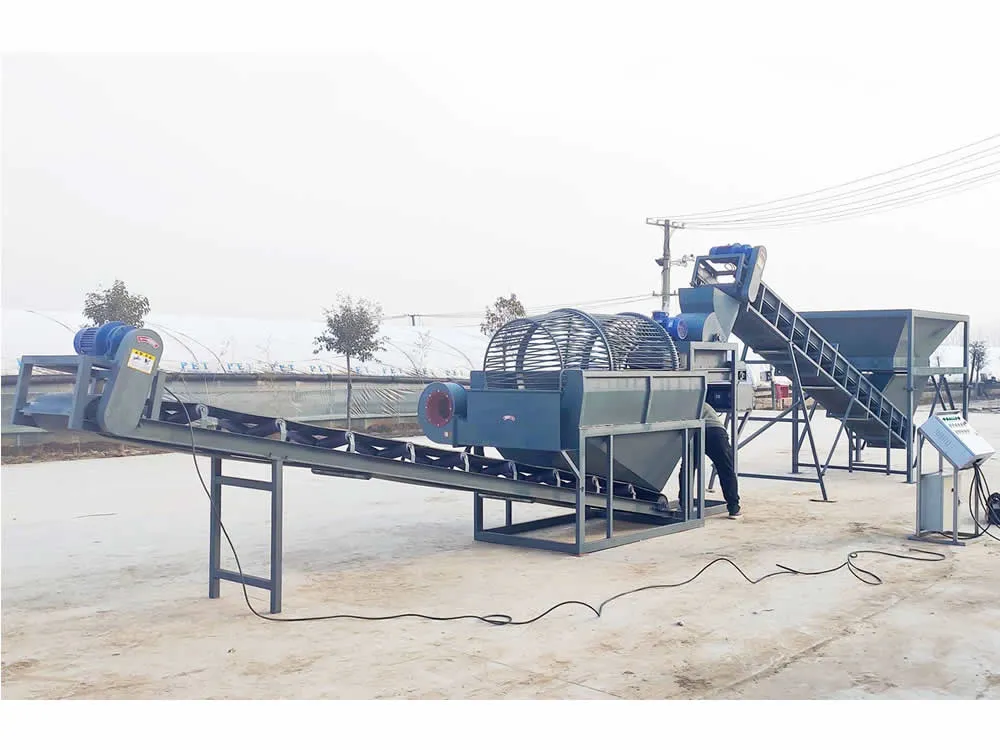
该 BRLXH15CA Large-Scale Bag-Stripping Line is a complete automated recycling system for industrial edible mushroom farms, designed to continuously crush waste mushroom cultivation bags and separate plastic bags from spent substrate, enabling high-volume waste processing, labor reduction, and efficient reuse of mushroom residues for organic fertilizer production.
主要规格
|
型号 |
BRLXH15CA |
|
设备类型 |
Large-Scale Bag-Stripping Line / Mushroom Waste Recycling System |
|
主要功能 |
Automatic crushing and separation of waste mushroom bags |
|
应用 |
Large edible mushroom production waste treatment |
|
Maximum Processing Capacity |
10-15 m³/hour |
|
Suitable Material |
Waste mushroom cultivation bags |
|
Total Power |
16 kW |
|
Power Supply |
380V / 50Hz |
|
Total Weight |
3250 kg |
|
外形尺寸 |
15000 × 2000 × 3100 mm |
|
Processing Process |
Feeding → Crushing → Material-Bag Separation |
|
Operation Mode |
Continuous Automatic Production |
|
Output Materials |
Separated plastic bags and reusable mushroom substrate |
产品描述
该 BRLXH15CA Large-Scale Bag-Stripping Line is a complete industrial recycling system specially designed for large edible mushroom cultivation factories. It provides an efficient solution for processing large quantities of discarded mushroom cultivation bags and contaminated mushroom bags generated during commercial mushroom production.
With the continuous expansion of industrial mushroom farming, factories generate significant amounts of waste mushroom bags every production cycle. These bags contain valuable spent cultivation substrate mixed with plastic packaging materials. Traditional manual separation methods require intensive labor, occupy large working areas, and cannot meet the recycling needs of modern mushroom factories.
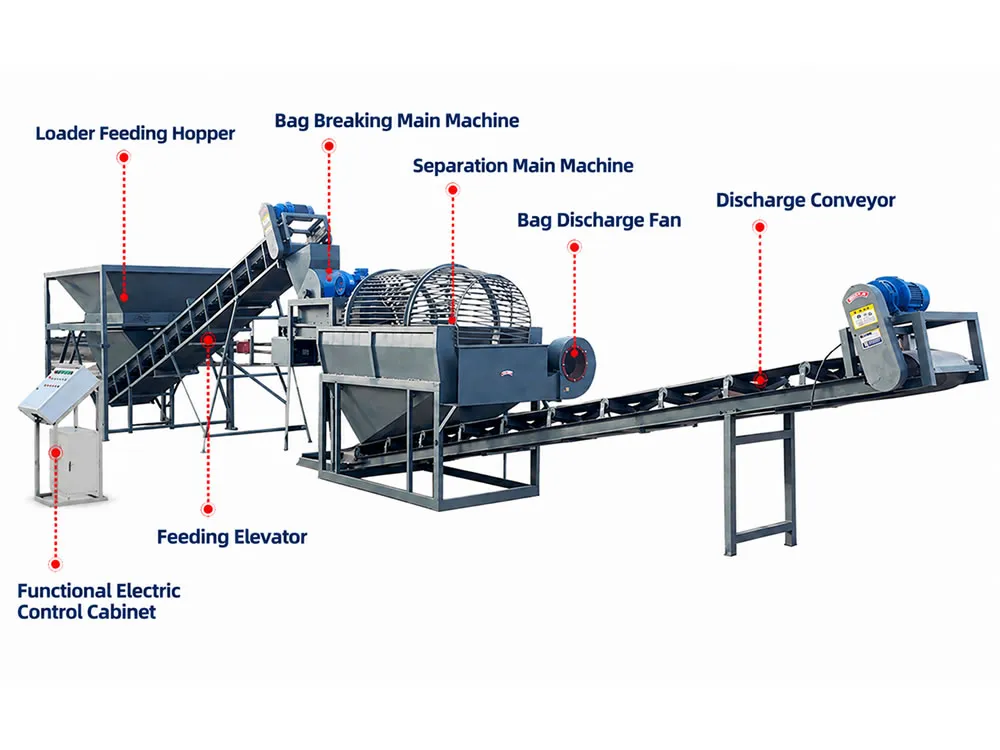
The BRLXH15CA solves these challenges by integrating multiple processes into one complete production line:
Feeding → Crushing → Material-Bag Separation
The system automatically receives waste mushroom bags, breaks the plastic packaging through a powerful crushing mechanism, and separates the plastic bags from the spent mushroom substrate. The separated materials can then be collected and processed independently.
With a maximum processing capacity of 10-15 m³/hour, this large-scale bag-stripping line is designed for:
- 工业化蘑菇农场
- Centralized mushroom waste treatment facilities
- Large substrate recycling plants
- Commercial edible fungi production enterprises
The complete system uses a 16 kW power configuration and a 380V/50Hz industrial power supply, providing stable operation for continuous production environments.
The BRLXH15CA has a total weight of 3250 kg and a large integrated structure of 15000 × 2000 × 3100 mm, allowing efficient handling of high-volume mushroom waste materials.
After separation, the spent mushroom substrate can be reused as:
- Organic fertilizer raw material
- Composting material
- Soil improvement material
- Agricultural recycling resource
The separated plastic cultivation bags can be collected for recycling or environmentally responsible disposal.
By introducing the BRLXH15CA into mushroom production facilities, customers can achieve cleaner production, reduce waste disposal costs, improve resource utilization, and build a more sustainable mushroom cultivation system.
工作原理
Waste Mushroom Bag Feeding
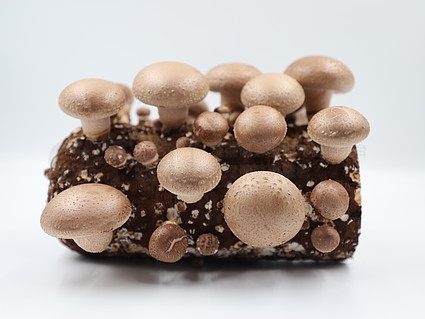
Used mushroom cultivation bags are collected from mushroom farms after harvesting or from contaminated production batches.
The waste materials are transported into the feeding section of the production line through manual loading or conveyor systems.
Applicable waste includes:
- Spent mushroom substrate bags
- Contaminated mushroom bags
- Used cultivation blocks
Crushing and Material Loosening
The waste bags enter the crushing unit.
The crushing system performs:
- Plastic bag breaking
- Substrate loosening
- Material dispersion
This process separates the connection between the cultivation bag and the internal substrate, preparing materials for efficient separation.
Bag and Substrate Separation
After crushing, the mixed materials enter the separation system.
The equipment separates:
Spent Mushroom Substrate
The organic material is collected for further recycling.
Possible applications:
- Organic fertilizer production
- Compost fermentation
- Agricultural soil improvement
Plastic Cultivation Bags
Plastic materials are discharged separately for collection and recycling.
Continuous Conveyor Transfer
The production line uses automatic conveying systems to transfer materials between different processing units.
This reduces manual handling and ensures stable production efficiency.
Material Collection and Recycling
The final outputs are collected separately.
适用原材料和蘑菇种类
Suitable Materials
包括:
- Sawdust-based mushroom substrate bags
- Wood chip cultivation bags
- Agricultural waste substrate bags
- Spent mushroom blocks
- Contaminated cultivation bags
Suitable Mushroom Species
平菇(Pleurotus ostreatus)
Suitable for large-scale bag cultivation waste recycling.
杏鲍菇(Pleurotus eryngii)
Processes high volumes of industrial cultivation waste.
香菇(Lentinula edodes)
Suitable for spent sawdust substrate recycling.
黑木耳(Auricularia auricula-judae)
Applicable for short-bag cultivation waste treatment.
金针菇(Flammulina velutipes)
Suitable for commercial mushroom production waste management.
其他食用菌
包括:
- 海鲜菇
- 茶薪菇
- 灵芝
- Other bag-grown edible fungi
产能/生产规模
The BRLXH15CA is designed for industrial-scale mushroom waste processing.
Maximum Processing Capacity
10-15 m³/hour
适用于:
- Large mushroom cultivation factories
- Centralized recycling centers
- Commercial edible fungi enterprises
- Mushroom substrate reuse facilities
Compared with individual bag-stripping machines, the complete production line provides:
✔ Higher processing efficiency
✔ Continuous operation capability
✔ Reduced manual labor
✔ Stable separation performance
✔ Improved waste recycling efficiency
It is especially suitable for factories producing large quantities of waste mushroom bags every day.
自动化水平
The BRLXH15CA adopts a complete production line automation design.
自动化功能包括:
✔ Automatic material feeding
✔ Continuous crushing operation
✔ Automatic conveying
✔ Automatic bag-substrate separation
✔ Centralized production workflow
Operators mainly need to:
- Load waste materials
- Monitor equipment operation
- Collect separated materials
The automated system significantly improves production efficiency and reduces labor dependence.
与蘑菇生产线集成
上游设备连接
The system works after mushroom cultivation and harvesting.
Compatible upstream equipment includes:
Mushroom Production Equipment
- Mushroom cultivation shelves
- 蘑菇生长室
- Harvesting systems
Complete process:
Substrate Preparation → Bagging → Sterilization → Inoculation → Cultivation → Harvesting → Waste Recycling
下游设备连接
After bag separation, it can connect with:
Organic Waste Recycling Equipment
- Composting equipment
- Organic fertilizer production line
- Fermentation systems
Material Handling Equipment
- Conveyor systems
- Storage equipment
- Collection systems
Complete recycling process:
Waste Mushroom Bags → Large-Scale Bag-Stripping Line → Substrate Recycling → Organic Fertilizer Production
服务与常见问题
安装与服务
安装与调试
Professional services include:
- Production line installation guidance
- Factory layout planning
- Equipment commissioning
- Operation testing
操作员培训
培训涵盖:
- Complete line operation
- Feeding methods
- Equipment adjustment
- Safety procedures
- 日常维护
备件供应
可提供服务:
- 原厂备件供应
- Wear component replacement
- 维护支持
技术支持
我们提供:
- 远程技术支持
- Equipment troubleshooting
- Production optimization guidance
售后服务
服务包括:
- Long-term technical consultation
- 维护支持
- Production capacity improvement solutions
常见问题
The BRLXH15CA can process up to 10-15 m³ of waste mushroom bags per hour, making it suitable for industrial mushroom farms.
The separated substrate can be reused for:
- Organic fertilizer production
- Composting
- Soil improvement applications
It can process waste bags from:
- 平菇
- 杏鲍菇
- 香菇
- Black fungus
- 金针菇
- Other bag-grown edible fungi
No. The automated production line greatly reduces manual handling requirements. Operators mainly monitor operation and manage material collection.
Yes. The processed spent substrate can be used as raw material for organic fertilizer production, composting, and agricultural recycling applications.